

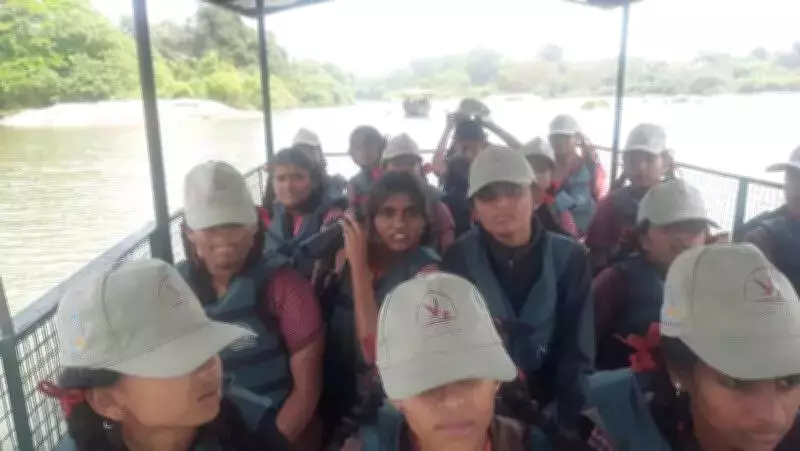
Pakshi Mitra Nature Education Program Transforms Young Minds at Ranganathittu Bird Sanctuary
The Pakshi Mitra nature education programme, launched at the renowned Ranganathittu Bird Sanctuary in Mandya, Karnataka, is rapidly emerging as a pivotal initiative to cultivate environmental awareness and conservation ethics among schoolchildren. Conceptualized by Forest Minister Eshwar Khandre, this innovative program aims to inspire the younger generation to understand, appreciate, and actively protect birds and their fragile habitats.
Interactive Learning and Direct Nature Exposure
Through a combination of interactive learning sessions and direct exposure to natural ecosystems, the program encourages students to develop a profound sense of responsibility toward biodiversity conservation. The forest department organizes visits for government school students from classes 5 to 10, with special buses transporting children from various regions to the sanctuary.
Each batch accommodates up to 50 students, who arrive in the morning and depart by late afternoon. During their immersive experience, participants take a solemn oath to protect birds and their nests, symbolizing their commitment to conservation efforts.

Minister's Vision and Rapid Implementation
IB Prabhu Gowda, Deputy Conservator of Forests (Wildlife), revealed that the idea was conceived during Forest Minister Eshwar Khandre's visit to the sanctuary in November. "When the minister visited the bird sanctuary in November, he suggested launching a programme to involve schoolchildren in conservation. We immediately implemented the idea," Gowda stated in an interview with Times of India.
Since its inception, the initiative has successfully attracted more than 1,200 students, demonstrating its growing popularity and impact. The day-long program allows students to explore the sanctuary, which is home to numerous resident and migratory bird species.
Educational Activities and Knowledge Assessment
Forest officials and conservation experts guide the children through a series of engaging activities:
- Bird-watching sessions to identify different species
- Nature walks through the sanctuary's diverse landscapes
- Interactive discussions on bird behavior and nesting patterns
- Educational talks about the ecological importance of wetlands
To measure learning outcomes, students undergo a simple test upon arrival and another before departure. Officials have observed that while many children initially possess limited knowledge about birds, their understanding improves significantly by the end of the program.
Building Future Conservation Ambassadors
Authorities believe that introducing conservation concepts at an early age will help cultivate a generation more attuned to environmental challenges. By experiencing the ecological richness of Ranganathittu firsthand, students are encouraged to become ambassadors for bird conservation within their communities.
"The program not only educates but also empowers young minds to take active roles in protecting our natural heritage," noted one forest official. This hands-on approach to environmental education represents a significant step toward fostering sustainable conservation practices among India's youth.






