

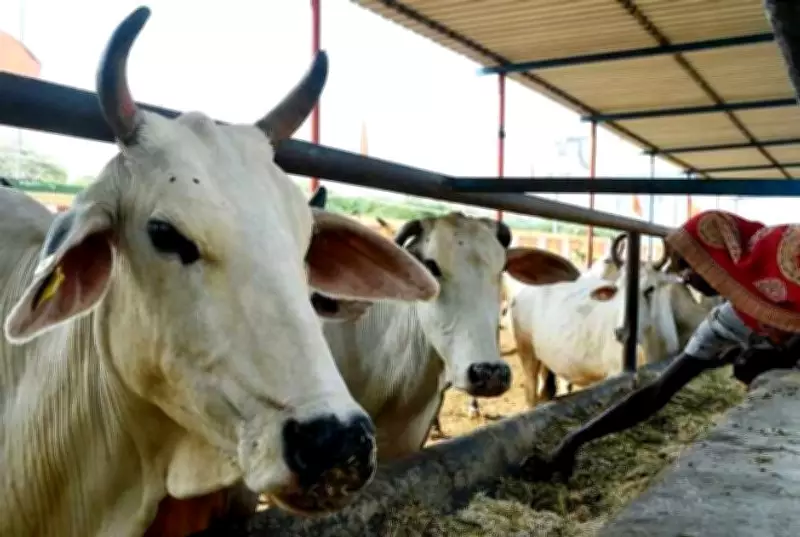
Rajasthan Minister Advocates for Indigenous Cow Milk, Cites Cognitive Benefits for Children
In a statement that has ignited widespread discussion, Rajasthan Minister Kirodi Lal Meena has made a bold claim regarding the nutritional impact of different types of milk on children. The minister asserted that milk from indigenous cow breeds significantly enhances intelligence in young ones, while milk from buffaloes tends to induce sluggishness and lethargy.
Minister's Assertion on Dairy and Cognitive Development
Kirodi Lal Meena, who serves as the Minister of Agriculture and Animal Husbandry in Rajasthan, emphasized the superior qualities of indigenous cow milk during a public address. He highlighted that this traditional dairy product is not only rich in essential nutrients but also plays a crucial role in boosting mental acuity and cognitive functions in children. According to the minister, the unique composition of indigenous cow milk contributes to sharper minds and improved learning capabilities.
In contrast, Meena pointed out that buffalo milk, while commonly consumed, may lead to reduced alertness and a general sense of sluggishness among children. He suggested that the heavier fat content and different nutritional profile of buffalo milk could be responsible for these effects, advocating for a shift towards indigenous cow milk to foster better health and intellectual growth.

Scientific and Cultural Perspectives on Milk Consumption
The minister's remarks have sparked a debate that intertwines scientific inquiry with cultural beliefs. Proponents of indigenous cow milk often cite traditional Ayurvedic texts and anecdotal evidence that support its benefits for overall well-being and mental development. They argue that indigenous breeds, which are typically grass-fed and raised in natural environments, produce milk with higher levels of beneficial compounds like omega-3 fatty acids and antioxidants.
However, nutritionists and health experts urge caution, noting that while milk is a valuable source of calcium, protein, and vitamins, claims about specific cognitive enhancements require robust scientific validation. Studies on dairy consumption generally focus on bone health and physical growth, with limited research directly linking milk type to intelligence levels. Experts recommend a balanced diet that includes a variety of nutrient-rich foods to support children's development, rather than relying solely on one type of milk.
Implications for Dairy Farming and Public Health Policy
Meena's comments also carry implications for the dairy industry and public health initiatives in Rajasthan. The state, known for its significant livestock population, could see increased interest in promoting indigenous cow breeds if such claims gain traction. This might influence farming practices, with a potential shift towards sustainable and traditional methods that prioritize the health of indigenous cattle.
From a policy perspective, the minister's advocacy raises questions about how nutritional guidelines are formulated and communicated. Public health campaigns often emphasize the importance of milk consumption for children's growth, but rarely differentiate between cow and buffalo milk. If further research supports Meena's assertions, it could lead to updated recommendations that highlight the specific benefits of indigenous cow milk, potentially impacting school meal programs and dietary advice.
Reactions and Ongoing Debate
The statement has elicited mixed reactions from various quarters. Supporters of indigenous cow milk have welcomed the minister's emphasis on traditional knowledge and natural products, viewing it as a step towards preserving cultural heritage and promoting healthier lifestyles. Critics, however, argue that such claims may oversimplify complex nutritional science and could mislead parents into making dietary choices based on unverified information.
As the debate continues, it underscores the need for more comprehensive studies to explore the links between dairy types and cognitive functions. Until then, parents and caregivers are advised to consult healthcare professionals for personalized dietary advice, ensuring that children receive a well-rounded nutrition plan that supports both physical and mental development.






