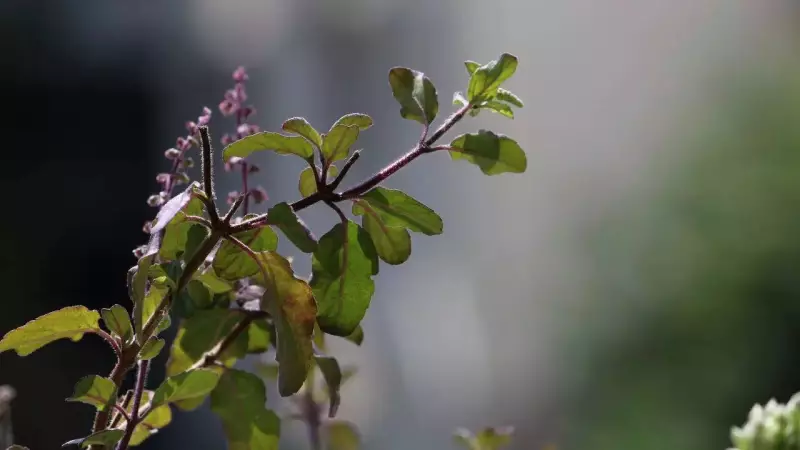
For countless Indian households, the Tulsi or holy basil plant is more than just greenery; it's a sacred presence in homes and gardens. However, the arrival of winter poses a significant threat to this beloved plant. Without specific and attentive care during the colder months, Tulsi can quickly become sickly and weak. The seasonal shift imposes considerable stress on the plant, disrupting its vital functions. This makes it imperative for gardeners and devotees alike to adopt protective strategies to safeguard their Tulsi through the winter, especially as urban gardening grows in popularity across India's diverse climates.
Why Winter is a Critical Threat to Tulsi Plants
Tulsi is inherently sensitive to cold conditions. Exposure to low temperatures and frost can cause severe damage, affecting both the visible foliage and the crucial root system underground. This cold stress compromises the plant's natural defenses, making it susceptible to disease and stunted growth. The challenges are multifaceted: reduced daylight hours hinder photosynthesis, roots absorb water more slowly, and the risk of fungal and root diseases increases. Additionally, when moved indoors for protection, plants often face stress from artificial heating and dry air, creating a new set of problems.
7 Vital Winter Care Strategies for a Healthy Tulsi
Protecting your Tulsi in winter doesn't require excessive effort, but it does demand mindful adjustments to your care routine. These seven measures, grounded in practical horticultural experience, are designed to help the plant overcome cold-weather challenges and maintain its vigor.

1. Prioritize Warm and Stable Temperatures
Tulsi thrives in warmth and prefers temperatures consistently above 15 degrees Celsius. Cold drafts and frost can damage plant tissues and impair cellular functions. During winter, position your Tulsi in a spot that remains relatively warm throughout the day, away from cold windows or doors. For potted plants, consider bringing them indoors at night. Outdoor plants must be shielded from direct frost using covers or by moving them to a sheltered location.
2. Compensate for Diminished Sunlight
Shorter winter days mean less natural light for photosynthesis, which can weaken the plant and cause leaves to turn pale. To counter this, place your Tulsi near a south-facing window that receives maximum sunlight. Regularly rotate the pot to ensure all sides get equal light exposure. In particularly dark rooms, supplement with artificial grow lights that provide the necessary spectrum without generating excessive heat.
3. Adjust Your Watering Routine Carefully
Overwatering is a common winter mistake. Cold soil evaporates moisture slowly, and roots absorb less water, leading to waterlogged conditions that suffocate roots and promote fungal rot. Allow the top layer of soil to dry out slightly between waterings. Always use water at room temperature to avoid shocking the plant's roots with cold water. This practice ensures the roots receive adequate oxygen and remain healthy.
4. Ensure Soil Drains Well and is Insulated
Soil structure is paramount in winter. Heavy, compacted soil retains water, while a light, well-aerated mix with organic matter promotes healthy microbial activity and nutrient availability even during slow growth periods. Always use pots with adequate drainage holes. For extra root protection, consider wrapping pots with breathable insulating materials like burlap or jute to buffer the soil from the pot's cold surface.
5. Select the Right Placement Indoors or Outdoors
Location is key. Indoors, a sunny window is ideal, but move the plant away from the cold glass at night. Keep it at a safe distance from radiators or heaters, as the dry air they produce can dehydrate leaves. If kept outdoors, choose a spot shielded from harsh winds, such as a balcony corner or against a warm wall. The goal is to avoid extremes of temperature, light, and airflow.
6. Employ Light Pruning to Minimize Stress

Since Tulsi's growth naturally slows in winter, avoid heavy pruning. Instead, practice light pruning to remove any yellowed, damaged, or dead leaves. This directs the plant's limited energy towards healthy growth and helps prevent microbial infections. Light trimming also improves air circulation around the plant, which is especially beneficial in the often-humid indoor environment.
7. Stay Vigilant Against Winter Pests
Dry indoor air can invite pests like aphids and spider mites, which suck sap and weaken the plant. Regularly inspect the undersides of leaves for early signs of infestation. Maintaining moderate humidity levels around the plant and ensuring good ventilation will discourage pests and bolster the plant's overall resilience during the vulnerable winter period.
By understanding the specific vulnerabilities of the Tulsi plant in winter and implementing these targeted care measures, you can ensure your sacred basil remains a vibrant and healthy presence in your home throughout the year. Remember, consistent observation and slight adjustments based on your plant's response are as important as following any general guide.