

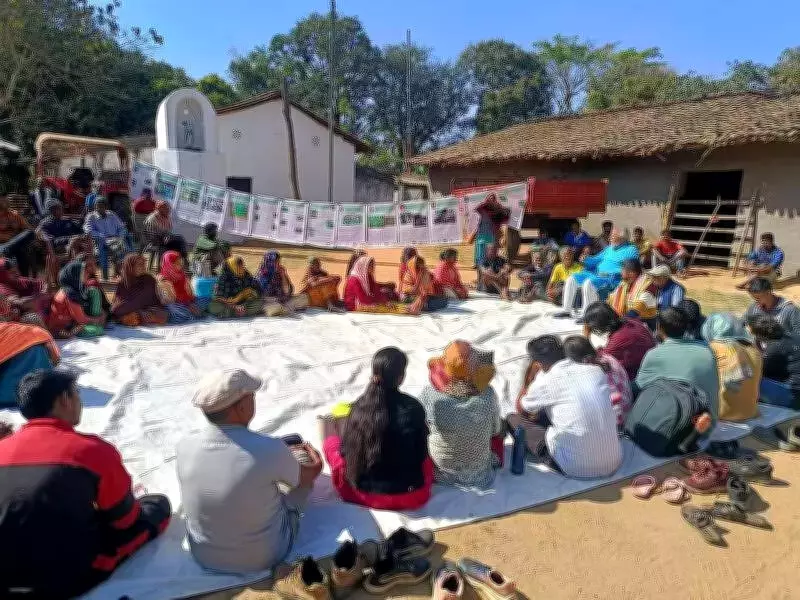
SRISTI's 54th Shodh Yatra Successfully Concludes in Jharkhand, Enriching Indigenous Knowledge Base
The 54th edition of the Shodh Yatra, organized by the Ahmedabad-based Society for Research and Initiatives for Sustainable Technologies and Institutions (SRISTI), has recently concluded, marking a significant milestone in grassroots innovation documentation. This annual journey, dedicated to uncovering and preserving traditional wisdom, has once again expanded SRISTI's repository with new agricultural discoveries and local practices.
Journey Details and Leadership
The Shodh Yatra was led by Prof Anil Gupta, the convenor of SRISTI, and took place from February 6 to 12. It commenced at Aurapath in Dumri and concluded at Bendor in Chainpur, both located in the state of Jharkhand. Spanning approximately 125 kilometers, the yatra meticulously traversed 27 villages, engaging deeply with rural communities along the route.
Participants and Objectives
A diverse group of around 40 yatris participated in this expedition, including scientists, journalists, students, farmers, academicians, and policymakers. Their collective aim was to document indigenous innovations and practices that address local challenges, fostering a bridge between traditional knowledge and modern applications.

Key Discoveries and Highlights
Chetan Patel, secretary of SRISTI, emphasized that the standout achievement of this yatra was the discovery and documentation of about 53 different species of edible plants, along with their associated indigenous crops and food items. This addition significantly enriches SRISTI's database, which is crucial for promoting sustainable agriculture and biodiversity conservation.
Patel further noted that the yatra also involved felicitating centenarians and local innovators, recognizing their contributions to community resilience. He remarked, "The centenarians and innovators were also felicitated during the yatra. Even today, society extends a warm welcome to those who traverse rural areas on foot, highlighting the enduring value of such grassroots engagements."
Impact and Future Implications
The Shodh Yatra not only adds to the repository of indigenous knowledge but also strengthens community ties and encourages the preservation of local ecosystems. By documenting these practices, SRISTI aims to support policy-making and educational initiatives that leverage traditional wisdom for sustainable development.
This edition underscores the ongoing importance of such expeditions in an era where rapid modernization often overlooks valuable indigenous insights. The findings from Jharkhand are expected to inspire further research and collaboration in the fields of agriculture, environmental science, and rural development.






