Unpaid, Unseen, Unending: The Workdays of Rural Women in India
In the vast rural landscapes of India, women play a pivotal role in sustaining households and communities, yet their contributions often go unrecognized and unrewarded. Despite significantly contributing to household income through various means, the labour of rural women—both paid and unpaid—is consistently devalued, along with their individuality. This pervasive issue highlights a critical gap in how progress and development are measured, calling for a redefinition that prioritizes their empowerment for truly equitable growth.
The Dual Burden of Paid and Unpaid Labour
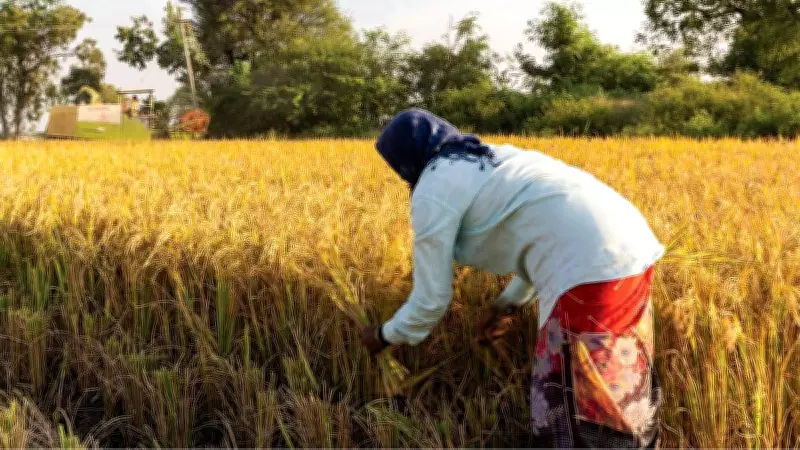
Rural women in India engage in a wide array of activities that span from agricultural work and livestock management to household chores and caregiving. Many of these tasks are unpaid, such as cooking, cleaning, and looking after children and the elderly, which are essential for family well-being but rarely accounted for in economic terms. Simultaneously, women often participate in paid labour, including farming, handicrafts, or small-scale entrepreneurship, yet their earnings are frequently undervalued or controlled by male family members. This dual burden creates an unending cycle of work that is both physically demanding and emotionally draining, with little acknowledgment or support.
Devaluation of Labour and Individuality
The devaluation of rural women's labour extends beyond economic measures to encompass their personal identity and agency. Their work is often seen as an extension of domestic duties, rather than as valuable economic contributions, leading to a lack of recognition in policy-making and community decision-making. Moreover, societal norms and patriarchal structures frequently undermine their individuality, limiting their access to education, healthcare, and financial independence. This constant erosion of self-worth not only affects their mental and physical health but also perpetuates gender inequalities that hinder overall development.

Redefining Progress for Equitable Development
For India to achieve equitable development, it is imperative to redefine what constitutes progress by centering the empowerment of rural women. This involves:
- Recognizing unpaid labour in national accounts and policy frameworks to give it the visibility it deserves.
- Enhancing access to education and skill development to enable women to pursue better-paid opportunities and assert their economic independence.
- Promoting gender-sensitive policies that address the unique challenges faced by rural women, such as land rights and healthcare access.
- Fostering community awareness to challenge stereotypes and value women's contributions holistically.
By integrating these measures, progress can be measured not just by economic growth, but by improvements in gender equality and human well-being. Empowering rural women is not only a moral imperative but also a strategic necessity for sustainable development, as their enhanced participation can drive innovation, productivity, and social cohesion in rural economies.
In conclusion, the workdays of rural women in India are characterized by relentless effort that remains largely invisible in mainstream narratives of development. Addressing this requires a concerted effort from policymakers, communities, and individuals to value and support their labour and individuality. Only then can we move towards a future where progress is truly inclusive and equitable for all.