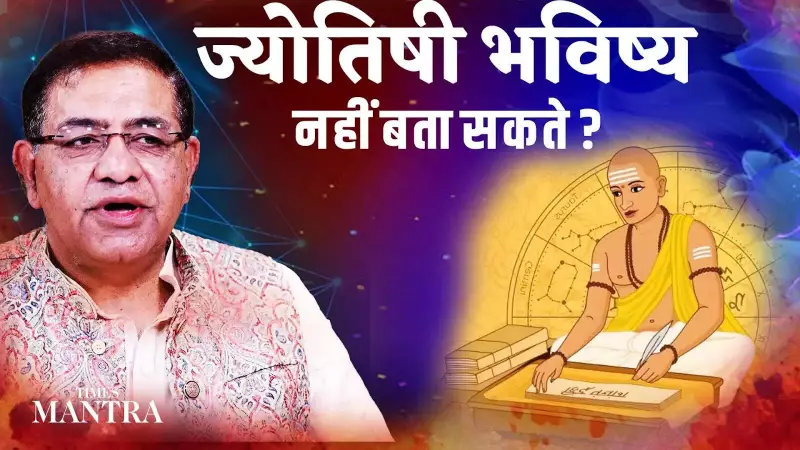
Many people turn to astrology seeking a glimpse of their future, hoping for clear guidance on life's path. However, it is not uncommon for these astrological predictions to miss the mark, leaving individuals confused or disappointed. In a detailed discussion, renowned astrologer Umang Taneja shed light on this very paradox, explaining the core reasons behind why astrological forecasts can fail.
The Core Challenges in Accurate Astrological Prediction
According to Taneja, the process of astrological prediction is far from a simple, mechanical reading of a chart. Several critical factors introduce complexity and room for error. Human free will stands as one of the most significant variables. A horoscope may indicate a potential, but the choices an individual makes can dramatically alter the course of events, effectively rewriting the script suggested by the planets.
Another major hurdle is interpretation error. Astrological charts are complex symbolic maps, and their reading requires deep knowledge, intuition, and experience. Different astrologers may interpret the same planetary alignment in varied ways, leading to conflicting predictions. Furthermore, pinpointing exact timing for events is notoriously difficult within astrological systems, even for seasoned practitioners.

Lal Kitaab: Remedies for Guidance, Not Guarantees
During the conversation, Umang Taneja also provided insights from the Lal Kitaab, a unique set of astrological texts popular in North India. He clarified a common misconception about its famous Lal Kitaab remedies. These remedies, which can include simple actions, charitable acts, or specific rituals, are not magical fixes that guarantee a predetermined outcome.
Instead, Taneja explained, their primary purpose is to correct imbalances suggested by the planetary positions in one's chart. They are designed to guide an individual's energy and actions towards a more favorable direction, empowering them to navigate challenges better. The focus is on shaping one's path through proactive measures, not on passively awaiting a fate written in stone.
A Practical and Balanced Understanding of Astrology
The overall discussion, which took place on January 9, 2026, moved towards fostering a more pragmatic relationship with astrology. Taneja's explanations demystify the expectation of perfect, fatalistic prediction. He positions astrology as a tool for self-awareness and spiritual guidance, offering potential scenarios and highlighting periods of opportunity or caution.
By acknowledging its limitations—especially the powerful role of personal agency—one can use astrological insight more wisely. The conversation concludes that remedies, whether from Lal Kitaab or other traditions, are best viewed as supportive actions aligned with cosmic influences, helping individuals make better choices rather than overriding their free will to deliver a fixed future.