Himachal Pradesh: 14-Year-Old's 33-Km Rescue in Snowbound Pangi Valley
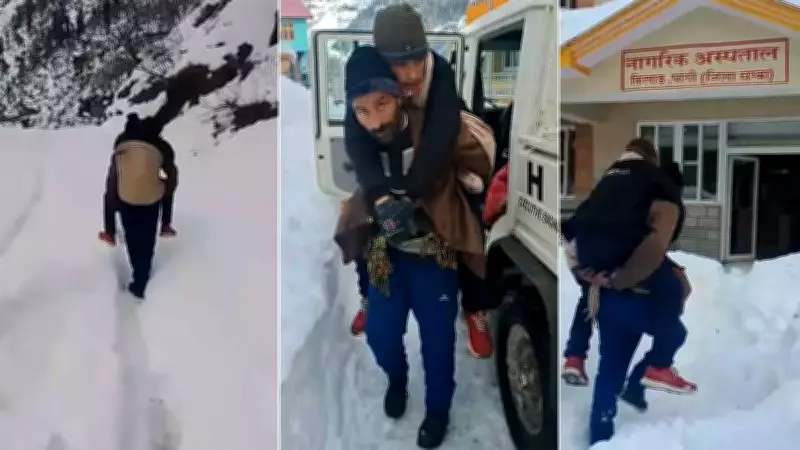
In a dramatic incident that underscores the harsh realities of life in remote Himalayan regions, a 14-year-old boy from Himachal Pradesh's Pangi Valley was carried for 33 kilometers through heavy snow to reach a hospital. This extraordinary rescue effort highlights the severe healthcare challenges faced by residents in snowbound areas during the winter months.
The Perilous Journey Through Snow
The boy, whose identity has not been disclosed, required urgent medical attention in the isolated Pangi Valley, a region known for its treacherous terrain and heavy snowfall. With roads blocked and transportation options limited due to the harsh winter conditions, local villagers and possibly family members took it upon themselves to ensure the child received the necessary care.
They carried the teenager on a makeshift stretcher or by other means, navigating through deep snow and difficult paths for an arduous 33-kilometer trek. This journey, which would typically be challenging even in favorable weather, was made exponentially more dangerous by the snowbound environment, putting both the boy and his rescuers at risk.

Healthcare Access in Remote Himachal Pradesh
This incident brings to light the critical issue of healthcare accessibility in Himachal Pradesh's remote valleys. Pangi Valley, located in the Chamba district, is often cut off from the rest of the state during winter due to heavy snowfall, making it nearly impossible for residents to access medical facilities quickly.
Local healthcare infrastructure in such areas is limited, with few hospitals or clinics equipped to handle emergencies. In many cases, patients must travel long distances to reach the nearest medical center, a journey that can be life-threatening in itself during adverse weather conditions.
Community Resilience and Challenges
The rescue effort demonstrates the resilience and solidarity of the local community, who came together to save a young life despite the formidable obstacles. However, it also raises questions about the need for improved emergency services and healthcare support in these regions.
Authorities in Himachal Pradesh have been urged to enhance winter preparedness, including better road maintenance, availability of emergency transport like helicopters, and strengthening of local health centers. Such measures could prevent similar incidents in the future and ensure that residents do not have to risk their lives to access basic medical care.
Broader Implications for Snowbound Regions
This story is not unique to Pangi Valley; many parts of Himachal Pradesh and other Himalayan states face similar challenges during winter. Climate change and increasing variability in weather patterns may exacerbate these issues, making it even more crucial to develop sustainable solutions.
Key areas for improvement include:
- Upgrading healthcare facilities in remote areas
- Implementing reliable emergency response systems
- Investing in infrastructure to keep roads accessible year-round
- Providing training and resources for local communities to handle medical emergencies
The 14-year-old's rescue is a poignant reminder of the human cost of geographical isolation and inadequate infrastructure. As Himachal Pradesh continues to develop, addressing these healthcare gaps in snowbound regions must be a priority to safeguard the well-being of all its residents.