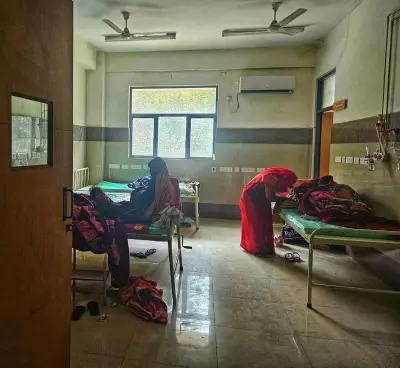
Karnataka Faces Severe Water Contamination Crisis in 1,800 Villages
A shocking revelation has emerged from Karnataka, where approximately 1,800 villages are currently consuming contaminated water, posing significant health risks to their populations. This alarming situation highlights a critical gap in the state's public health infrastructure, as drinking water sources are not routinely tested for safety.
Health Department's Limited Testing Protocol Exposes Vulnerabilities
According to a senior official from the Karnataka Health Department, the Department of Health and Family Welfare conducts tests on drinking water sources only during outbreak situations. This reactive approach means that potential contamination issues often go undetected until after health crises have already begun, leaving communities exposed to harmful pollutants over extended periods.
The official explained that the lack of regular, proactive monitoring allows waterborne diseases to spread unchecked in many rural areas. This policy has raised serious concerns among public health experts, who argue that preventive measures are essential to safeguard vulnerable populations from water-related illnesses.

Implications for Public Health and Rural Communities
The contamination of water sources in these 1,800 villages could lead to a range of health problems, including:
- Increased incidence of waterborne diseases such as cholera, typhoid, and diarrhea.
- Long-term health effects from exposure to chemical pollutants and heavy metals.
- Heightened risk for children, elderly individuals, and those with compromised immune systems.
This crisis underscores the urgent need for improved water quality management and more robust testing protocols across Karnataka. Without immediate intervention, the health and well-being of thousands of residents remain in jeopardy.
Calls for Action and Systemic Reforms
Public health advocates are urging the state government to implement comprehensive water safety measures, including:
- Establishing regular, mandatory testing of all drinking water sources in rural and urban areas.
- Investing in infrastructure upgrades to ensure clean water supply and proper sanitation facilities.
- Enhancing public awareness campaigns about water contamination risks and preventive practices.
The situation in Karnataka serves as a stark reminder of the broader challenges facing India's water security and public health systems. Addressing this issue requires coordinated efforts from government agencies, community leaders, and health organizations to ensure safe drinking water for all citizens.