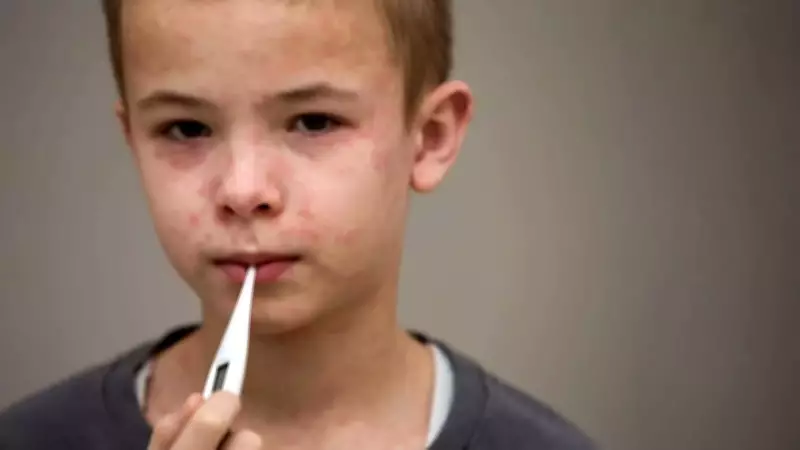
Alarming Rise in Skin Conditions Among Children Sparks Concern
Skin problems, once predominantly associated with adults, are now increasingly prevalent among children, with medical experts observing a worrying surge in cases. This trend encompasses a wide spectrum of issues, from mild, temporary rashes to chronic conditions that significantly impact daily life and well-being. Many parents mistakenly view these skin ailments as harmless or self-resolving, but delayed treatment can exacerbate symptoms and lead to long-term discomfort and complications.
Environmental and Lifestyle Factors Driving the Epidemic
With evolving lifestyles, heightened environmental pollutants, and greater exposure to allergens, children's skin has become more sensitive than ever. Timely and appropriate management of these dermatological issues is essential to improve a child's quality of life. Parents are strongly advised against self-treatment and should strictly follow expert medical guidelines.
"There is a surge in skin infections that can be concerning for parents," stated Dr. Anish Pillai, Lead Consultant in Neonatology and Paediatrics at Motherhood Hospitals in Kharghar, Mumbai. "I see approximately 50 to 60 children monthly, aged 0 to 12 years, presenting with various skin conditions. These include eczema, allergic rashes, fungal and bacterial infections, teenage acne, and heat-related rashes."

Key Contributing Factors Identified by Specialists
Urban living, pollution, allergies, poor nutrition, weakened skin barriers, climate changes, excessive sweating, inadequate hygiene habits, and the frequent use of harsh soaps and cosmetics are primary contributing factors. Additionally, excessive screen time and reduced outdoor activity can negatively affect overall skin health. In some instances, genetic predispositions play a significant role, particularly in conditions like eczema.
Notably, school-going children are now developing skin conditions that were historically more common in adults. Hand-foot-and-mouth disease, characterized by fever, mouth sores, and rashes on the hands and feet, is also observed. Fungal infections such as ringworm (tinea) and candidal rashes, alongside bacterial infections like impetigo and folliculitis, are becoming increasingly common among the pediatric population.
The Critical Importance of Timely Medical Intervention
Prompt treatment is vital to prevent the spread of infection, avoid scarring, and reduce the risk of recurrent issues. Skin problems in children often manifest with symptoms like itching, redness, dryness, rashes, scaling, or small bumps. Some children may experience burning or pain, while others develop oozing or crusted patches. In older children, persistent scratching can lead to dark marks or thickened skin.
"Persistent itching or recurring rashes should never be ignored," emphasized Dr. Pillai.
Dr. Avi Sanghavi, Pediatrician and Neonatologist at Zynova Shalby Hospital in Mumbai, added, "Children today are exposed to numerous environmental triggers that impact their skin. They can experience eczema, recurrent rashes, and fungal and bacterial infections due to factors like pollution, sweat, allergens, and frequent contact with contaminated surfaces in schools and playgrounds."
Dr. Sanghavi sees 30 to 35 children monthly in the 0–12 age group with similar issues and advises timely care. "Parents should be observant of any unusual changes such as persistent itching, redness, or patches on the skin. Early consultation with a specialist helps in identifying the exact cause and initiating appropriate treatment," he noted.
Preventive Measures and Long-Term Consequences
Simple preventive steps include maintaining proper hygiene, ensuring children wear breathable clothing, and keeping their skin well-moisturized. Dr. Pillai further warned, "If skin issues are not treated on time, they can lead to secondary infections, scarring, sleep disturbances, and emotional stress. Children may feel embarrassed, anxious, or uncomfortable in social settings, affecting their confidence and school performance."

Skin conditions often worsen because parents delay seeking medical advice. A child's delicate skin reacts quickly to infections, allergens, and environmental changes. Adopting gentle skincare as advised by a doctor, avoiding self-medication, and following medical recommendations can significantly enhance a child's comfort and overall well-being.
Practical tips include keeping a child's skin clean and dry, using mild soaps, and avoiding the sharing of towels or clothes to reduce infection risks. Parents should seek medical advice early instead of resorting to home remedies or over-the-counter creams. Each type of skin problem requires a specific diagnosis and treatment plan from a doctor.
Children should adhere to a skincare routine designed by their healthcare provider for effective management. Parents are encouraged to consult a specialist promptly rather than relying on unverified home remedies, ensuring their children remain comfortable, confident, and healthy.