

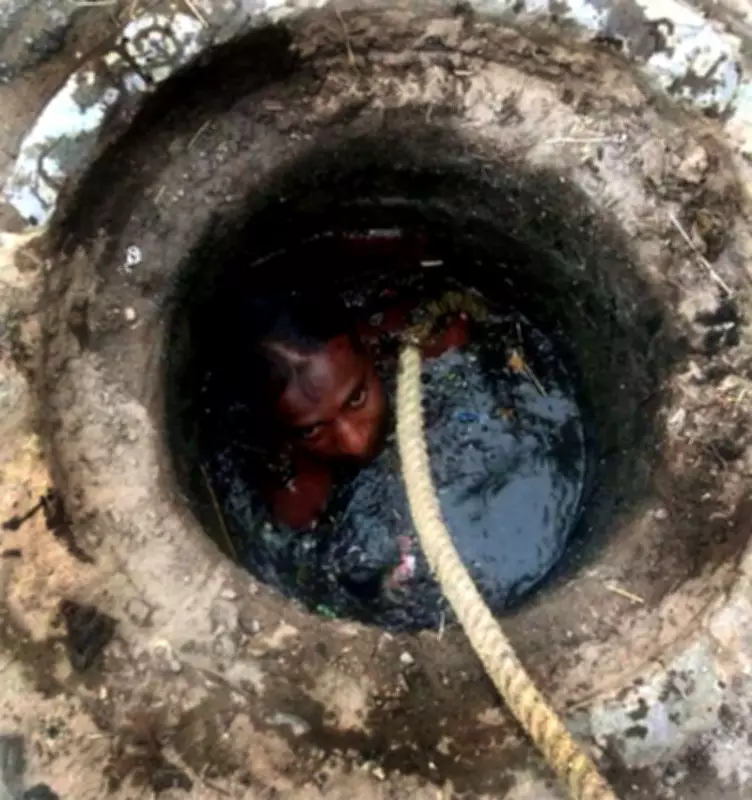
315 Sanitation Workers Perish in Sewer and Septic Tank Cleaning Over Five Years
The Centre has informed Parliament that a staggering 315 sanitation workers lost their lives while cleaning sewers and septic tanks across India from 2021 to 2025. This alarming figure underscores persistent occupational hazards in the sanitation sector, despite legal prohibitions against manual scavenging.
State-Wise Breakdown of Fatalities
Maharashtra recorded the highest number of deaths at 53, followed closely by Haryana with 43 fatalities. Other states with significant casualties include Tamil Nadu (38 deaths), Uttar Pradesh (35), Delhi (26), Gujarat (25), and Rajasthan (24). Collectively, these seven states accounted for 77.5 percent of all such deaths during the five-year period.
Minister of State for Social Justice and Empowerment, Ramdas Athawale, provided these details in a written reply to the Rajya Sabha. He emphasized that sanitation work is occupation-based, but notably, no caste-wise data on sewer deaths is maintained by the government.

Systemic Failures and Political Criticism
CPI(M) MP John Brittas, who posed the parliamentary question, condemned the figures as evidence of systemic failures. He stated, "The sewer deaths point to systemic failures in enforcement, mechanization, and safety compliance. These are not accidents. These are preventable, repeated, and institutional failures." Brittas further criticized the government's lack of caste-based data, arguing that it conceals the social reality behind these tragedies.
He added, "Manual scavenging and hazardous sanitation work in India are overwhelmingly carried out by marginalized communities and are rooted in historical caste-based occupation discrimination patterns. Refusing to record such data weakens accountability and undermines any meaningful, targeted policy response."
Legal Framework and Persistent Challenges
Manual scavenging is prohibited under the Prohibition of Employment as Manual Scavengers and their Rehabilitation Act, 2013. However, the practice continues due to factors such as:
- Caste-based social hierarchies
- Lack of alternative livelihoods for marginalized groups
- Inadequate sanitation infrastructure and mechanization
In a historical context, Alwar in Rajasthan was declared the first manual scavenging-free city in April 2003, followed by Tonk in 2008. Despite these milestones, nationwide eradication remains elusive, as evidenced by the ongoing fatalities.
The data highlights an urgent need for enhanced safety measures, stricter enforcement of existing laws, and comprehensive rehabilitation programs for sanitation workers to prevent further loss of life in this hazardous occupation.






