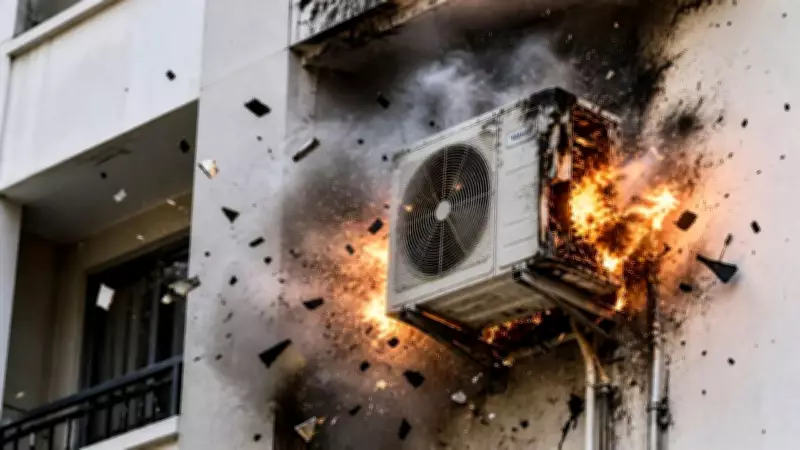
Air conditioners have become an indispensable part of Indian households, especially during the scorching summer months. With temperatures soaring, particularly in cities like Delhi-NCR, an AC is essential for comfort. However, safety concerns such as AC blasts and fires, though rare, have been reported due to electrical faults, overheating, and gas leaks. These incidents are often preventable with proper care and attention.
Common Causes of AC Blasts and Fires
Understanding the root causes of AC failures can help homeowners take proactive measures. Here are the most common reasons:
Electrical Faults and Short Circuits
Faulty wiring, loose connections, or overloaded circuits are leading causes of AC fires. When internal wiring overheats, insulation can fail, leading to sparks or flames.

Compressor Overheating
The compressor is the heart of an AC. Continuous operation or excessive load can cause it to overheat, leading to internal pressure imbalances and system failure.
Refrigerant Gas Leakage
Refrigerant leaks can create unsafe pressure conditions. In rare cases, combined with heat or sparks, this may result in hazardous situations.
Poor Installation
Improper fitting, loose wiring, or incorrect gas charging can destabilize the system over time, leading to failures months later.
Lack of Maintenance
Dust accumulation, clogged filters, and blocked airflow force the AC to work harder, increasing stress on components and raising the risk of overheating.
Voltage Fluctuations
Frequent power cuts and voltage spikes, common in some areas, can damage AC circuits. Without stabilizers, internal boards may fail unexpectedly.
Lessons from Recent Delhi AC Incidents
Recent media reports from Delhi NCR highlight a fire incident caused by an AC failure. Preliminary investigations often point to electrical faults or overheating. Such accidents typically result from a cascade of minor issues, including faulty wiring, lack of servicing, and voltage variations.
Warning Signs You Should Never Ignore
ACs often give early warnings before major faults occur. Watch for these signs:
- Abnormal vibrations
- Burning odor
- Inadequate cooling
- Frequent circuit breaker tripping
- Hissing sounds (indicating refrigerant leaks)
Ignoring these signs can allow minor issues to escalate into serious hazards.
Importance of Electrical Safety and Proper Installation
Ensure your AC has a dedicated power socket to avoid overloading. Proper earthing safely discharges excess electricity. Voltage regulators are crucial in areas with unstable power supply. Loose wires should be fixed immediately, and temporary fixes avoided. Outdoor units must be placed in well-ventilated areas, and indoor units securely mounted to prevent vibration damage. Professional installation ensures correct gas pressure, wiring, and drainage.
Regular Servicing and Cleaning
Routine servicing is key to preventing failures. Clean filters regularly to avoid dust blockage. Professional servicing once or twice a year allows technicians to check coils, refrigerant levels, and wiring. Early detection of hidden issues prevents major damage.
Safe Usage Practices at Home
Daily habits affect AC safety. Avoid running the unit at extremely low temperatures for long hours; moderate settings are safer. Use timers or sleep modes to reduce continuous load. Give the system short breaks during extended use. Keep flammable items away from both indoor and outdoor units.
Emergency Response Steps
If you notice unusual smells, smoke, or overheating, switch off the AC immediately and disconnect the main power supply. Do not attempt repairs without technical expertise, as internal components carry electrical and gas risks. Call a certified technician promptly to prevent further damage or escalation.
By following these guidelines, you can enjoy a cool and safe summer while minimizing the risk of AC-related incidents.