

Ahmedabad Study Reveals High Risk of Type 2 Diabetes After Gestational Diabetes
Gestational diabetes, a condition characterized by elevated blood sugar levels during pregnancy, affects approximately 22% of women in India, significantly higher than the global average of 15%. This alarming statistic underscores a major public health concern, as the condition often does not resolve after childbirth but instead transitions into a lifelong metabolic disorder.
Long-Term Health Implications for Women
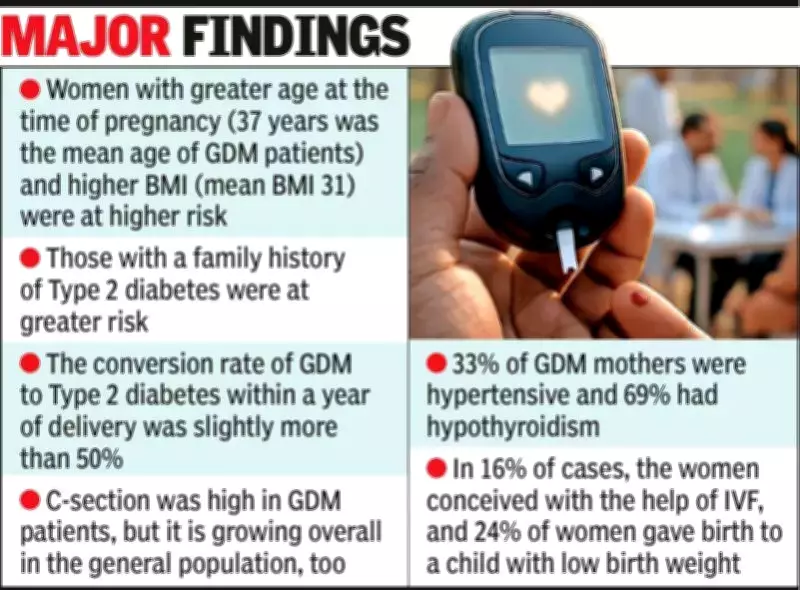
Contrary to common belief, gestational diabetes is not merely a temporary issue. For many women, it serves as a precursor to Type 2 diabetes mellitus. A comprehensive study conducted in Ahmedabad tracked 247 women diagnosed with gestational diabetes over a three-year period from 2023 to 2026. The findings were stark: about 50% of these women continued to exhibit elevated blood sugar levels three years post-delivery, indicating a progression to Type 2 diabetes.
Dr. Rutul Gokalani, a leading diabetologist and co-author of the study, emphasized the gravity of these results. "Gestational diabetes doesn't always end with delivery. For many women, it marks the beginning of lifelong metabolic risk. Pregnancy can reveal a hidden diabetes risk: about 50% of women with GDM progressed to Type 2 diabetes during follow-up," he stated. The study also highlighted that around 60% of the women required insulin and metformin for optimal blood sugar control during pregnancy.

Key Findings and Expert Insights
The research, led by Dr. Rutul Gokalani and Komal Shah, an associate professor at IIPH Gandhinagar, along with researchers Kashvy Morakhia and Aakansha Shukla, uncovered several critical insights:
- Genetic Susceptibility: Approximately one-third of the women had a family history of diabetes, pointing to a strong genetic component in the development of gestational diabetes.
- First Pregnancy Prevalence: Most cases of gestational diabetes occurred during first pregnancies, accounting for about 60% of the study participants.
- Contrary to Common Belief: Low-birth-weight babies were more frequent in pregnancies complicated by gestational diabetes, challenging the typical association with high birth weight.
- High C-Section Rates: The study noted an increased incidence of cesarean deliveries among mothers with gestational diabetes, underscoring the need for closer monitoring of obstetric outcomes.
Dr. Komal Shah explained the physiological mechanisms behind gestational diabetes. "The placenta produces hormones such as oestrogen, cortisol, and lactogen to support fetal growth, but these hormones also induce insulin resistance, leading to spikes in blood sugar levels," she said. Common symptoms include increased thirst, blurred vision, and frequent urination.
Call for Enhanced Post-Partum Surveillance
The study advocates for improved healthcare strategies to address this growing issue. Dr. Shah stressed the importance of post-partum follow-up. "The key emphasis of the present results is on post-partum surveillance of women with a history of GDM. Therefore, early identification of high-risk women during pregnancy and structured post-partum follow-up may help in timely detection and intervention, potentially preventing or delaying the development of Type 2 diabetes," she remarked.
This research aligns with previous findings on gestational diabetes mellitus (GDM) and its progression to post-partum diabetes, reinforcing the need for targeted interventions. With India's high prevalence of gestational diabetes, these insights are crucial for developing effective public health policies and personalized care plans to mitigate long-term diabetes risks for women.






