

Amritsar Educator Pioneers Biofuel Bricklets to Combat LPG Shortage
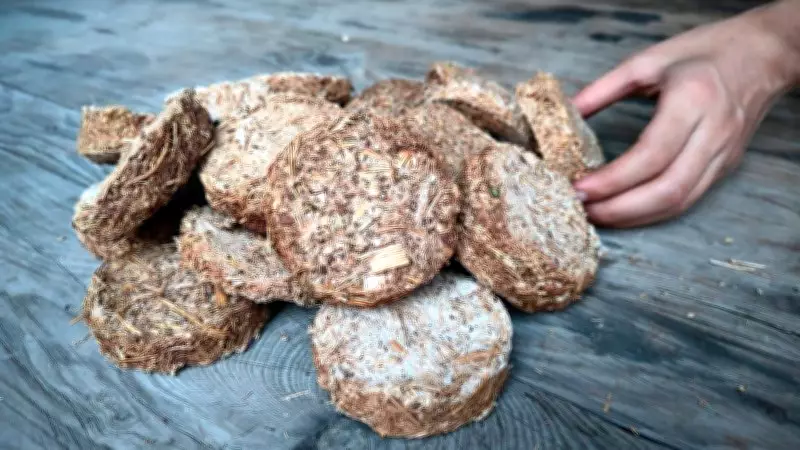
As the LPG supply crisis intensifies across India, particularly affecting rural households, an innovative solution has emerged from Amritsar. Sanjeev Sharma, a vocational teacher at Government Senior Secondary School in Jabbowal, has developed biofuel bricklets using kitchen and agricultural waste, offering a sustainable alternative to traditional fuels.
Turning Waste into Energy: The Biofuel Initiative
Through his school science club, Sharma has spearheaded projects that transform paddy straw, farm residues, and kitchen scraps into compact biofuel pellets or bricklets. This initiative not only addresses the immediate energy needs but also promotes environmental stewardship. With many families reverting to traditional balan (burning materials) due to disrupted LPG supplies and rising costs of coal and wood, these biofuels provide a cost-effective and eco-friendly option.
"Biofuels are sustainable and cost-effective as they primarily use waste as a source of energy," Sharma explained. His team has been producing ethanol from sugarcane waste and converting agricultural byproducts into bricklets for green energy generation. Additionally, they have crafted dusters from collected waste, embodying the principles of Reduce, Reuse, and Recycle.

How Biofuel Bricklets Are Made and Used
The process involves segregating, drying, and compressing organic waste from school kitchens and nearby farms to create natural fibers, which are then formed into pellets and bricklets. Inspired by the revival of biogas plants in villages, Sharma noted that materials like cow dung, dried leaves, waste paper, and sawdust can be utilized through anaerobic digestion to produce these fuels. While they have a lower calorific value than coal, they are cleaner and can be easily manufactured at the household level.
According to experts, approximately 2.6 kg of biomass per day can substitute LPG usage for a typical household. Sharma highlighted that compressed residues such as rice husk and straw can be used in pellet-based cookstoves designed for cleaner combustion. "During such times, these biofuels can serve as a short-term alternative. Direct burning of dry waste leads to CO2 and other harmful emissions, but briquettes allow controlled burning with comparatively lower pollutants," he added.
Recognition and Future Implications
Sharma's efforts have garnered accolades, including awards at the Wipro Earthian Awards and the National Children's Science Congress. He advocates for government schools to adopt these low-cost biofuel options to ensure uninterrupted operations, such as maintaining school kitchens and mid-day meal programs if the LPG crisis worsens.
This innovation not only tackles the pressing LPG shortage but also fosters community engagement and student learning in sustainable practices, positioning biofuel bricklets as a viable green energy solution for the future.






