Ancient Greek Viper Laophis Crotaloides: The Heaviest Venomous Snake Ever Discovered
When people think of the world's most massive venomous snakes, the king cobra typically springs to mind first, renowned for its impressive length and deadly reputation. However, fossil evidence suggests that an ancient snake discovered in Greece might have been even more impressive in terms of sheer mass, offering a fascinating glimpse into prehistoric Europe's ecosystem.
The Discovery of an Enormous Prehistoric Viper
The story of this giant snake begins in 1857, when British palaeontologist Richard Owen, famous for his work on dinosaurs, examined fossil remains found near Thessaloniki in northern Greece. Owen identified some fossilised vertebrae belonging to an unusually large snake, determining it was a type of viper based on the vertebrae's shape and size. He named this species Laophis crotaloides and concluded it was enormous compared to modern vipers. Unfortunately, only a few vertebrae were recovered, limiting the material available for analysis, but these fragments indicated an exceptionally massive body.
How Big Was the Greek Viper Really?
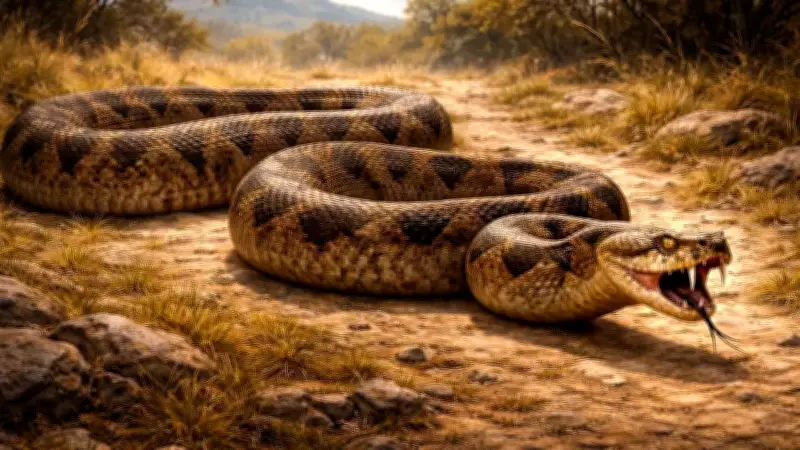
Laophis crotaloides is estimated to have been between 10 and 13 feet long and weighed around 57 pounds. While a king cobra can reach lengths of up to 18 feet, it is much more slender, with most long individuals weighing 20 pounds or less. This means the ancient Greek viper could have been up to three times heavier. It's important to note that snake length isn't always a reliable gauge of size or strength; a heavier snake typically indicates greater muscle mass, suggesting Laophis crotaloides was built like a heavyweight, shorter and thicker than its modern counterparts.

Why the King Cobra Remains Famous Today
Despite this prehistoric discovery, the king cobra retains its status as the longest venomous snake alive today. Known throughout Asia for its menacing hood, potent venom, and ability to prey on other snakes, the king cobra has a slim body designed for speed rather than bulk. In contrast, the Greek viper likely had a more robust physique, adapted for different predatory strategies in its ancient environment.
The Environment Where This Giant Snake Lived
Laophis crotaloides is believed to have lived about four million years ago during the Pliocene period. Northern Greece at that time featured grasslands and dense vegetation, with a cooler climate than the tropical regions where large snakes are commonly found today. This raises intriguing questions about how this large reptile adapted to its environment, as modern snakes rely on warm temperatures to regulate their body heat. The exact lifestyle of this viper remains a mystery to scientists.
Why Scientists Still Debate This Snake
While a remarkable find, Laophis crotaloides presents challenges due to the limited fossil evidence—only a handful of vertebrae were initially discovered, with no complete skeleton recovered. For decades, the species remained enigmatic, with some experts doubting whether the fossils truly represented a giant viper. However, a 2016 study published in the Swiss Journal of Geosciences re-examined the fossil material and analyzed a new vertebra found in northern Greece, reinforcing the idea that it was a large extinct viper from the Pliocene epoch. This supports earlier claims that it may have been one of the largest vipers ever found in Europe.
Even with much still to learn, the fossil remains of Laophis crotaloides demonstrate that prehistoric wildlife could be far more surprising than we imagine, challenging our perceptions of ancient ecosystems and the creatures that roamed them.