

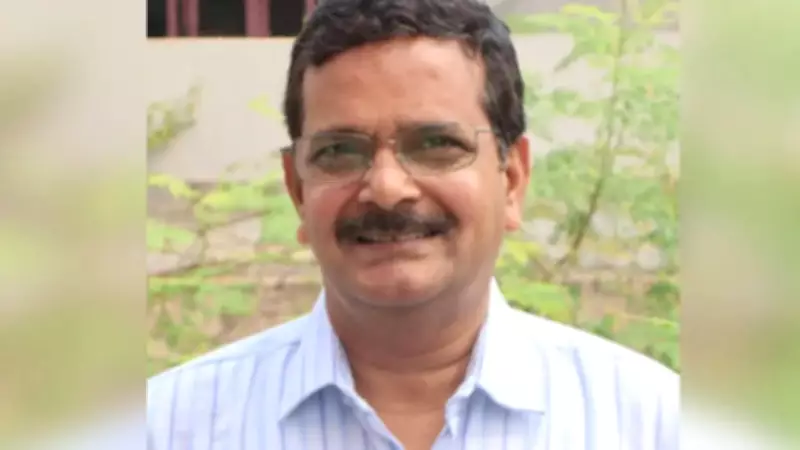
In a significant breakthrough for global public health, the 25-year research work of Dr Yanamadala Murali Krishna of Andhra Pradesh has demonstrated that effective, long-term HIV treatment need not depend on expensive drugs or high-end laboratory infrastructure.
His study, published in the Journal of the International Association of Providers of AIDS Care (JIAPAC), offers a pragmatic, scalable model for low- and middle-income countries, with outcomes that rival the best healthcare systems in the world. Notably, this appears to be a rare instance of an international journal publishing a research paper independently conceived, conducted, and authored by a single clinician—whereas most scientific studies typically involve collaborative teams of researchers, professors, and students.
Key Findings of the Study
At the heart of his research is a striking figure: an 88.3% survival rate among patients who received uninterrupted care over 25 years. Drawn from a cohort of 971 individuals within a larger pool of over 7,000 patients treated since 2000, this outcome challenges conventional assumptions about HIV management. It proves that with consistent care, adherence, and context-sensitive strategies, long-term survival is achievable even in resource-constrained settings.

Cost-Effective Treatment Regimens
One of the most significant contributions of Dr Murali Krishna’s work is the use of simplified, cost-effective treatment regimens. Departing from globally standardised three-drug therapies, his approach demonstrated that carefully selected two-drug combinations can deliver equally strong outcomes. This not only reduced the complexity of treatment but also made it financially sustainable for patients over decades.
Innovative Clinical Monitoring
Equally transformative is his approach to clinical monitoring. Instead of relying on frequent, expensive laboratory tests, treatment decisions were guided by continuous clinical evaluation and patient interaction. This model resulted in an estimated saving of over Rs. 7 lakh per patient across 25 years, removing one of the biggest barriers to sustained HIV care in low-income populations.
Strategic Drug Sequencing
Another cornerstone of his research is strategic drug sequencing. By carefully timing the introduction and transition of medications, he was able to manage viral resistance effectively while prolonging the utility of affordable drugs.
Reduction in Opportunistic Infections
The outcomes extended beyond survival. The incidence of life-threatening opportunistic infections—such as tuberculosis and pneumocystis pneumonia—dropped dramatically, from 451.5 to 69.7 per 1,000 patient-years. Notably, this was achieved without routine prophylactic medication, underscoring the effectiveness of vigilant monitoring and timely intervention.
The Role of Doctor-Patient Relationship
Central to these outcomes is a less quantifiable but equally critical factor: the doctor-patient relationship. The study highlights that an adherence rate of 85% was achieved largely through trust, counselling, and sustained engagement. This human dimension, often overlooked in clinical protocols, emerges as a decisive element in long-term success.
Bridging a Global Research Gap
A native of Kakinada, Dr Murali Krishna’s work also addresses a long-standing gap in global HIV research. Most international treatment guidelines are derived from studies conducted in high-income countries, where access to advanced diagnostics and expensive therapies is taken for granted. “My 25-year journey has shown that even life-threatening diseases can be managed with confidence through dedicated care and sound clinical judgment, without relying on expensive resources,” Dr Murali Krishna told ‘TOI.’ He said that the recognition belongs as much to his patients, whose trust made the journey possible.






