

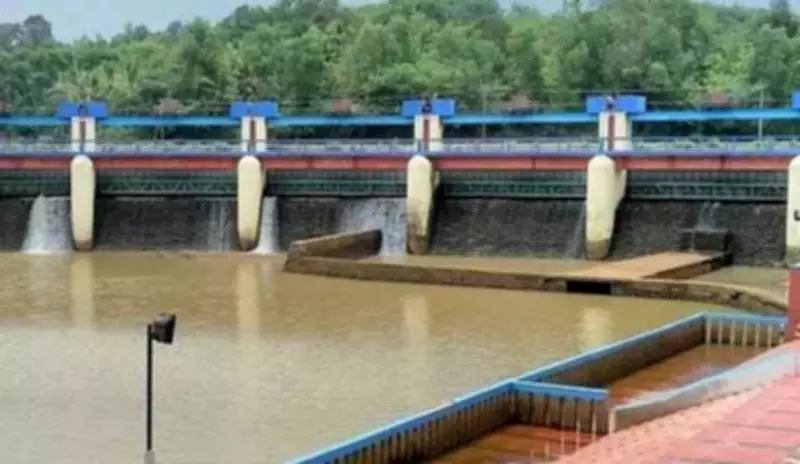
Thiruvananthapuram Grapples with Water Treatment Crisis as Silt Levels Spike
Officials from the Kerala Water Authority (KWA) have raised alarms about a significant deterioration in raw water quality at the Aruvikkara dam, leading to unprecedented challenges in maintaining safe drinking water supplies for Thiruvananthapuram residents. The authority has reported a sharp escalation in silt concentrations within the reservoir, forcing treatment facilities to dramatically increase their chemical consumption for purification processes.
Chemical Usage Skyrockets Amid Treatment Efficiency Concerns
Water treatment plants that source their supply from the Aruvikkara reservoir have been compelled to substantially amplify their utilization of purification chemicals. The chemical cocktail now includes heightened quantities of anionic polymers—specialized agents designed to bind fine silt particles—along with increased doses of lime and chlorine for disinfection purposes.
This chemical surge represents a tenfold increase from previous operational norms. Where treatment facilities previously utilized approximately 250–300 kilograms of chemicals per treatment cycle, that figure has now ballooned to nearly 3,000 kilograms. This exponential rise places considerable operational strain on the water treatment infrastructure and complicates efforts to ensure consistent water quality and reliable supply throughout the summer months.

Seasonal Factors Drive Silt Accumulation
A KWA engineer stationed at Aruvikkara explained that the current predicament follows predictable seasonal patterns. During summer months, reduced river flow significantly limits the natural flushing mechanisms that typically carry silt downstream. This stands in stark contrast to monsoon conditions, where substantial inflows efficiently transport suspended particles away from critical intake points.
"During monsoon periods, excess water flow effectively washes away accumulated silt," the engineer clarified. "As summer progresses, silt particles remain suspended in the water column for extended durations. This prolonged suspension creates turbulence during treatment processes and directly impacts plant efficiency."
The official emphasized that the chemical escalation serves exclusively to manage the elevated silt content in untreated water. "The increased application of anionic polymer targets specifically the removal of fine silt particles. While this has temporarily affected treatment efficiency, corrective measures are actively being implemented," he assured.
Mitigation Efforts Face Initial Setbacks
In response to the growing crisis, KWA authorities deployed a specialized silt curtain within the reservoir—a barrier designed to prevent suspended particles from reaching the intake points that feed treatment plants. Unfortunately, preliminary trials of this intervention failed to deliver anticipated results.
"Despite the installation of the silt curtain, treatment plants continued to experience turbulence during initial testing phases," confirmed a KWA representative. "Additional corrective measures are now being rolled out, and we anticipate the situation will stabilize in the coming weeks."
The combination of seasonal silt accumulation, increased chemical dependency, and temporary mitigation setbacks creates a perfect storm of challenges for Kerala's water management authorities. As summer intensifies, KWA engineers remain focused on implementing solutions that will safeguard both water quality and consistent supply for Thiruvananthapuram's residents.






