

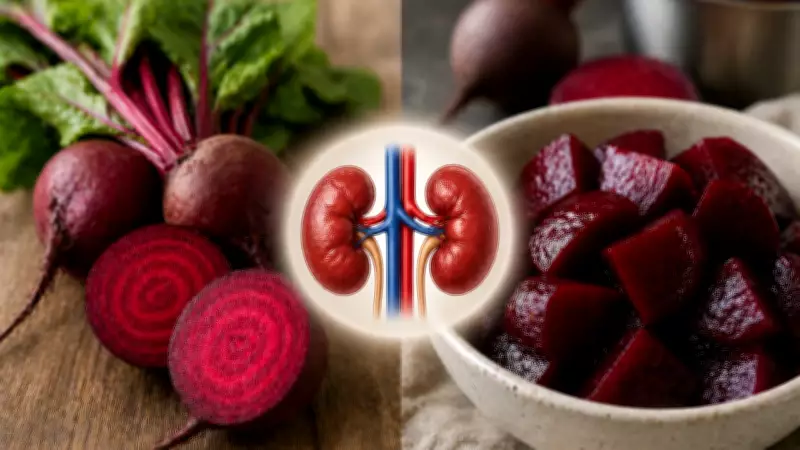
The Beetroot Dilemma: Superfood or Kidney Risk?
Beetroot has become a staple in health-conscious diets. From gym enthusiasts drinking beetroot juice to social media influencers touting its benefits, this vibrant root vegetable is everywhere. However, the question remains: is beetroot truly beneficial, or could it pose hidden risks to your kidneys? The answer, as with many nutritional topics, is nuanced and depends on individual health conditions.
The Oxalate Problem in Beetroot
One of the primary concerns with beetroot is its high oxalate content. Oxalates are naturally occurring compounds that can bind with calcium in the body, forming crystals that may lead to kidney stones. Raw beetroot contains approximately 94.6 to 141.6 mg of oxalic acid per 100 grams, while beetroot juice can contain 300 to 525 mg per liter. For context, the typical daily dietary intake of oxalate is between 50 and 100 mg. This means a single glass of beetroot juice could exceed your entire daily oxalate intake, significantly increasing the risk of calcium oxalate stones, which account for about 75 percent of all kidney stones. For individuals with a history of kidney stones or those predisposed to kidney disease, this is a serious consideration.
How Boiling Reduces Oxalates
Boiling is an effective method to reduce soluble oxalate content in beetroot. Studies show that boiling can lower oxalate levels by 30 to 87 percent, whereas steaming only reduces them by 5 to 53 percent. The reason boiling works is that oxalates are water-soluble; when you discard the cooking water, a significant portion of the oxalates is removed. However, for individuals who need a low-oxalate diet due to conditions like idiopathic calcium nephrolithiasis, boiling alone may not eliminate the risk entirely. In such cases, alternative high-nitrate vegetables like arugula are recommended.

The Nitrate Benefits for Kidney Health
Despite the oxalate concern, beetroot contains beneficial nitrates that can support kidney function. A crossover study involving 17 chronic kidney disease patients found that supplementation with dietary nitrate from beetroot juice (300 mg) significantly reduced blood pressure and renal resistive index, a marker of kidney health, compared to a placebo. The study observed a greater decrease in mean arterial pressure and improvements in kidney function markers. This effect is attributed to beetroot's bioactive compounds, including nitrate, betaine, and betalain, which have anti-inflammatory and antioxidant properties. The body converts dietary nitrate into nitric oxide, which relaxes blood vessels and improves blood flow—essential for healthy kidney function.
What Should You Do?
The decision to include beetroot in your diet depends on your kidney health. For individuals without a history of kidney stones or oxalate issues, boiled beetroot is generally safe and nutritious. If you have chronic kidney disease but no history of stones, the nitrate benefits may improve kidney function and blood pressure, but moderation is key, and concentrated juices should be avoided without medical advice. However, if you have a history of kidney stones, consult a nephrologist or dietitian before making beetroot a regular part of your diet, whether cooked or raw. Beetroot juice, in particular, should be approached with caution due to its high oxalate concentration.






