

Bengaluru Hospitals Activate Contingency Plans Amid LPG Supply Concerns
As the LPG supply crisis persists across Bengaluru, hospitals throughout the city are quietly implementing comprehensive contingency plans to guarantee that food supplies for patients remain completely uninterrupted. Both government and private healthcare facilities are proactively preparing for potential disruptions, despite current supplies remaining unaffected.
Public Hospitals Stock Essentials and Explore Alternatives
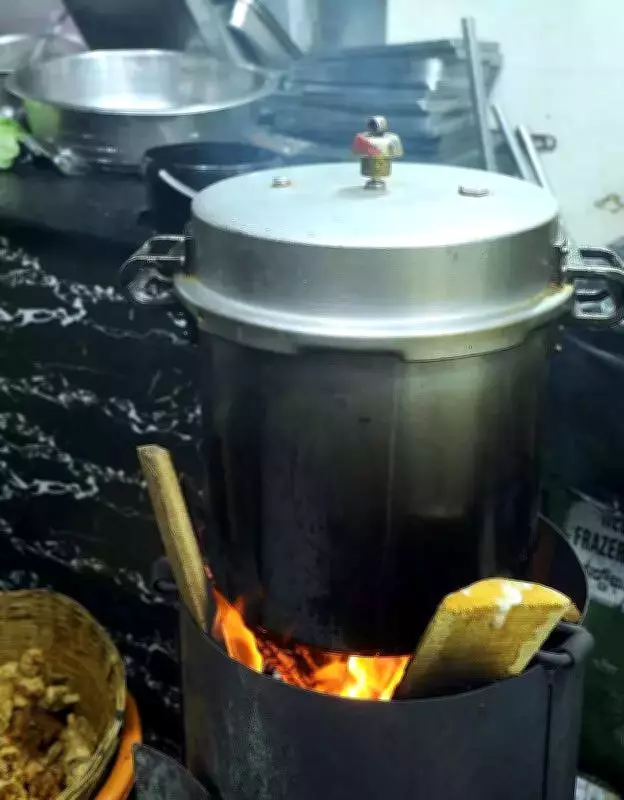
At Victoria Hospital, the largest public healthcare facility in Bengaluru, authorities have initiated strategic stockpiling of essential food items. Dr. Kavya ST, director-cum-dean of Bangalore Medical College & Research Institute (BMCRI), which oversees Victoria Hospital, explained their approach: "Currently, we face no shortage of gas cylinders, and our procurement agency has assured us of continued supply due to our emergency services status. However, to safeguard against sudden disruptions, we have begun stocking non-cook items like bread, jam, milk, and fresh fruits. Simultaneously, we are procuring firewood as a precautionary backup measure."
Bowring Hospital is pursuing collaborative solutions by exploring partnerships with institutions operating centralized kitchens. Dr. Manoj Kumar HV, director of Bowring Hospital, stated: "While we haven't experienced cylinder shortages yet, the uncertainty surrounding availability has prompted us to initiate discussions with Iskcon, which already supplies food to multiple government hospitals. We aim to secure their services for in-patient food delivery if the situation escalates."

Private Hospitals Implement Preventive Measures and Menu Adaptations
Private healthcare institutions are equally vigilant, implementing internal efficiency measures to optimize LPG usage. Sai Sagar V, cluster head for Food & Beverage at Sparsh Group of Hospitals, detailed their strategy: "Our in-house F&B team is rationalizing menu options in staff cafeterias to conserve LPG while maintaining smooth operations. These are purely preventive steps designed to minimize any potential operational impact."
Hospitals are also creatively modifying patient diets to reduce cooking time without compromising nutritional value. Manisha Kumar, chief operation officer for Karnataka at HCG Cancer Hospital, elaborated on their adaptive approach: "Our kitchen teams and clinical dietitians collaborate to adapt menus efficiently during such situations. We prioritize foods that cook faster, such as:
- Non-millet porridge and khichdi
- Fresh sprouts and yoghurt-based dishes
- Nutrient-rich smoothies and nut pastes
- Boiled and sautéed lentils
Additionally, we utilize electric cooking methods including induction cooktops and electric steamers for items like idli and boiled eggs. This allows us to substitute LPG-intensive dishes like dosa with steamed idli, and omelettes with boiled eggs. Through these adjustments, we ensure meals remain balanced, high-protein, and easily digestible for patients undergoing treatment."
Challenges for Hospital Canteens and Attendants
While hospitals focus primarily on in-patient food security, challenges persist for attendants and visitors who rely on private canteens within hospital premises. These canteens, mirroring restaurants across Bengaluru, have begun reducing menu options in response to the LPG supply uncertainty, causing concern among those dependent on these services.
The comprehensive preparations underscore the healthcare sector's commitment to maintaining essential services despite external supply chain pressures, ensuring patient care remains uncompromised during the ongoing fuel crisis.






