Bengaluru Hospitals Navigate LPG Shortage with Strategic Food Service Adjustments
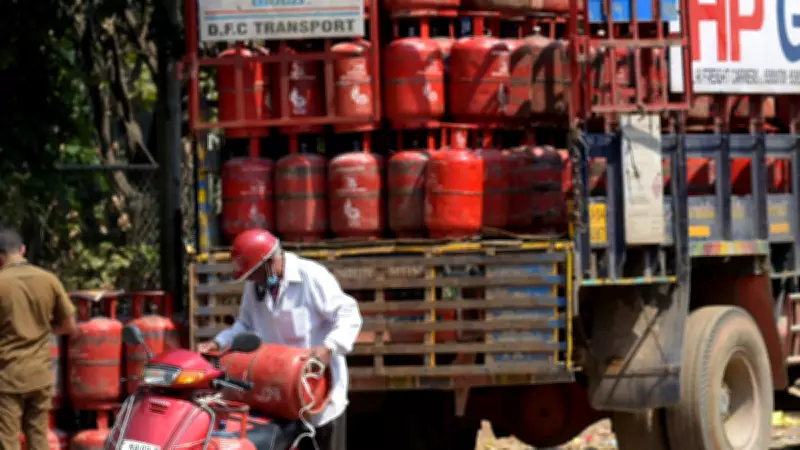
In response to a critical liquefied petroleum gas (LPG) shortage impacting the city, numerous hospitals in Bengaluru are implementing significant operational changes within their kitchen facilities. The primary focus has shifted decisively towards ensuring uninterrupted and nutritious meal service for in-patients, while simultaneously imposing restrictions on broader canteen menus available to staff and visitors.
Prioritizing Patient Nutrition Amid Supply Constraints
Hospital administrations across Bengaluru have mandated that kitchen operations must first and foremost cater to the dietary requirements of patients. This prioritization is a direct consequence of the dwindling LPG supplies, which threaten to disrupt essential cooking processes. Patient meals are being safeguarded as a non-negotiable service, with kitchens streamlining their output to concentrate on preparing medically appropriate and timely food for those under care.
The scarcity has forced many institutions to simplify their offerings. Extensive menu options, particularly in staff and visitor canteens, are being temporarily limited or scaled back to conserve the available cooking fuel. This measure ensures that the core function of patient feeding remains robust, even as other food services experience contraction.

Embracing Electric Alternatives for Kitchen Operations
Faced with persistent gas supply issues, a growing number of hospital canteens are proactively seeking sustainable alternatives to maintain their culinary services. A notable shift is underway from traditional gas-based kitchen infrastructure to electric cooking systems. This transition represents a strategic adaptation to the ongoing crisis, allowing hospitals to reduce their dependency on LPG and secure a more reliable energy source for food preparation.
The move towards electric kitchens is seen as both an immediate solution and a potential long-term upgrade. By investing in induction cooktops, electric ovens, and other appliances, these facilities aim to build resilience against future fuel shortages while also exploring operational efficiencies. This adaptation underscores the healthcare sector's commitment to maintaining critical support services, like nutrition, despite external logistical challenges.
The situation highlights the broader impact of infrastructure and supply chain issues on essential urban services. Bengaluru's hospitals are demonstrating agility by reallocating resources, modifying menus, and adopting new technologies to ensure that patient care, including nutritional support, does not falter during this period of constraint.