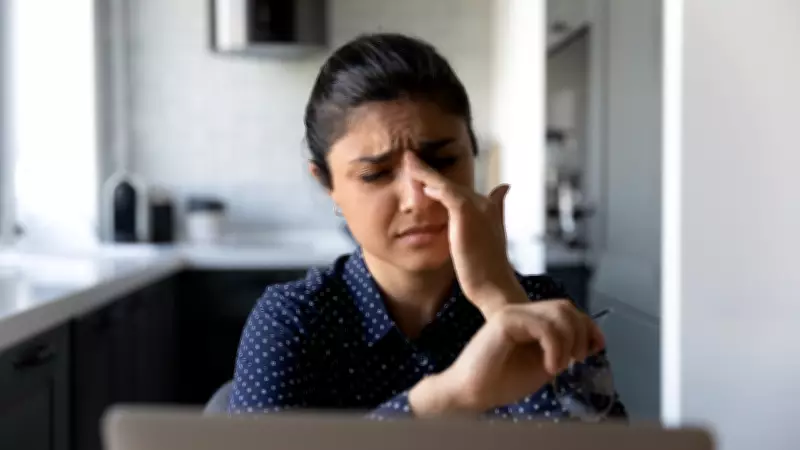
Most people associate dry eyes with long hours spent staring at phones, laptops, and television screens. While screen exposure is undoubtedly a major contributor, eye specialists say it is only one piece of a much larger puzzle.
The feeling of burning, grittiness, irritation, redness, excessive tearing, or the sensation that something is stuck in the eye can often signal dry eye disease. Many people dismiss these symptoms as temporary discomfort, assuming they will disappear after a good night's sleep. But for millions, dry eye disease is a chronic condition that affects daily comfort, productivity, and quality of life.
The eyes rely on a delicate tear film to remain healthy. When this tear film becomes unstable, either because tears evaporate too quickly or because the eyes do not produce enough tears, symptoms begin to appear. Understanding what lies behind this imbalance can reveal why dry eyes are becoming increasingly common, even among people who spend relatively little time in front of screens.

When Tears Evaporate Faster Than They Should
One of the most overlooked causes of dry eye disease is a condition called Meibomian Gland Dysfunction (MGD). The meibomian glands, located along the eyelids, produce oils that form the outermost layer of tears. This oily layer slows evaporation and helps keep the eyes moist. When these glands become blocked or stop functioning properly, tears evaporate much more quickly, leaving the surface of the eye exposed and irritated.
According to Dr Sripriya P, Consultant Ophthalmologist at Dr Agarwals Eye Hospital, Kanakpura Road, “Dry eye disease (DED) is increasingly prevalent in ophthalmic practice and the most common cause in recent years being excessive screen exposure. However, several hidden factors contribute significantly to the development and progression of the disease. Dry eyes can either be due to increased tear film evaporation or due to decreased tear production.”
Many people with meibomian gland dysfunction may not even realize they have it. They often experience fluctuating vision, eye fatigue, or discomfort that worsens in air-conditioned rooms and windy environments. Research supported by the NIH notes that dry eye disease commonly develops when the tear film becomes unstable or evaporates too quickly, affecting the health of the eye's surface.
Why Hormones and Chronic Diseases Matter More Than People Think
Dry eyes are not always an eye problem alone. Sometimes they reflect changes happening throughout the body. Women, particularly after menopause, are more likely to experience dry eye symptoms because hormonal fluctuations can affect both tear production and the function of the meibomian glands. Changes in estrogen and androgen levels can alter the delicate balance needed to maintain a healthy tear film.
Dr Sripriya explains, “Hormonal changes, particularly in postmenopausal women, and systemic conditions like Diabetes can also impair tear production and meibomian gland function.” Diabetes can damage nerves involved in tear production and affect the glands responsible for maintaining tear quality. As a result, some people with diabetes experience persistent dryness even when their eyes appear normal on the surface. The US National Institutes of Health has published multiple studies showing strong links between diabetes and ocular surface disease, highlighting the importance of regular eye examinations among people living with the condition.
Sometimes Dry Eyes Are an Early Warning Sign
Dry eyes can occasionally be among the first visible signs of a deeper health condition. Autoimmune disorders such as Sjögren syndrome and rheumatoid arthritis frequently affect the body's moisture-producing glands. In some patients, eye dryness appears years before a formal diagnosis is made. “Systemic autoimmune disorders such as Sjögren syndrome and Rheumatoid Arthritis frequently present with ocular dryness as an early manifestation due to decreased tear production,” says Dr Sripriya. This is one reason eye specialists often ask detailed questions about joint pain, fatigue, dry mouth, and other symptoms when evaluating chronic dry eye complaints.

The Medicines and Environments Drying Out Your Eyes
Many people are surprised to learn that medications sitting in their bathroom cabinet may contribute to eye dryness. Dr Sripriya notes, “Certain medications, like antihistamines, antidepressants, isotretinoin, and long-term preserved glaucoma drops, may reduce tear secretion or damage the ocular surface.” These medicines may be essential for managing other health conditions, but awareness of their side effects can help patients discuss alternatives or supportive treatments with their healthcare providers.
The environment also plays a significant role. “Environmental factors such as air conditioning, pollution, low humidity, and prolonged contact lens use further aggravate tear film instability,” she says. Modern life often places people in climate-controlled indoor spaces for hours at a stretch. Air conditioners remove moisture from the air, while pollution exposes the eye surface to irritants that can trigger inflammation. Even prolonged contact lens wear may interfere with the natural tear film and increase discomfort. The result is often a cycle of dryness and irritation that gradually becomes more noticeable over time.
Could Your Diet Be Affecting Your Eyes?
Nutrition rarely enters conversations about eye comfort, yet it can have a meaningful impact. “Nutritional deficiencies, particularly of vitamin A and omega-3 fatty acids, may also contribute to chronic ocular surface inflammation,” Dr Sripriya explains. Vitamin A plays a vital role in maintaining the health of the eye's surface. Severe deficiency can lead to significant dryness and even vision-threatening complications. Omega-3 fatty acids, found in foods such as fatty fish, walnuts, and flaxseeds, are believed to support healthy tear function and reduce inflammation in some individuals. Maintaining a balanced diet, staying hydrated, protecting the eyes from harsh environments, and seeking medical advice when symptoms persist can all help support long-term eye health.
What Should People Know
The widespread focus on screen time has helped raise awareness about eye health, but it has also created the misconception that all dry eye symptoms begin and end with digital devices. As Dr Sripriya concludes, “Therefore, dry eye disease is a multifactorial condition requiring a comprehensive evaluation beyond screen time alone.” That message is increasingly important. Dry eyes are often the result of several overlapping factors rather than a single cause. Hormonal shifts, chronic illnesses, autoimmune diseases, medications, environmental exposures, and nutritional gaps may all be contributing silently in the background. Recognising these hidden influences can help people seek appropriate treatment earlier, reduce discomfort, and protect their vision for years to come.
Medical experts consulted: This article includes expert inputs shared with TOI Health by Dr Sripriya P, Consultant Ophthalmologist, Dr Agarwals Eye Hospital, Kanakpura Road. Inputs were used to shed light on the hidden factors that contribute to dry eyes, helping readers understand why symptoms may persist even in the absence of excessive screen use.