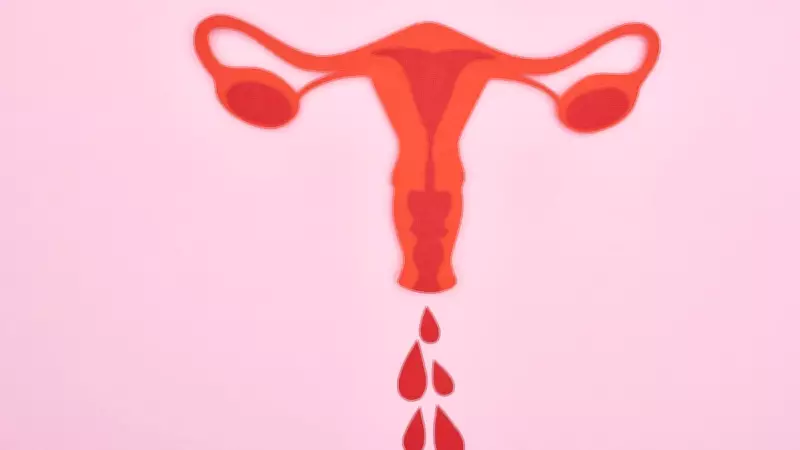
Doctors Challenge Common Belief About Birth Control Pill Periods
In a significant revelation that challenges widespread assumptions about reproductive health, medical professionals have clarified that the menstrual bleeding experienced by women while taking birth control pills is not a natural biological process. According to experts, this bleeding is artificially induced by the hormonal medication and serves no essential health purpose.
The Artificial Nature of Contraceptive-Induced Bleeding
Doctors explain that traditional combination birth control pills work by providing synthetic hormones that prevent ovulation. The standard 28-day pill pack typically includes 21 active hormone pills followed by 7 placebo pills. It is during this placebo week that withdrawal bleeding occurs, mimicking a menstrual period.
This bleeding is fundamentally different from a natural menstrual cycle, as noted by gynecologists and reproductive health specialists. In a natural cycle, bleeding occurs when an unfertilized egg and the uterine lining are shed following ovulation. With birth control pills, ovulation is suppressed entirely, meaning there is no egg to be released or fertilized.
Medical Perspective on Health Necessity
Contrary to popular belief, medical authorities emphasize that this withdrawal bleeding is not medically necessary for maintaining health. The primary purpose of including placebo pills in birth control regimens was originally to mimic natural cycles and provide psychological reassurance, rather than to fulfill any physiological requirement.
Doctors point out several key considerations:
- Withdrawal bleeding does not serve as a "cleansing" or detoxifying function for the body
- It is not required to "reset" the reproductive system
- Continuous use of active pills (skipping placebo weeks) is medically safe for many women
- The absence of withdrawal bleeding does not indicate pregnancy when on proper contraceptive use
Changing Perspectives in Women's Healthcare
This medical clarification comes as part of broader efforts to enhance menstrual health awareness and provide accurate information about contraceptive options. Many women have been conditioned to believe that monthly bleeding while on birth control is natural and necessary, when in fact it represents a pharmaceutical design choice rather than a biological imperative.
Healthcare providers are increasingly discussing alternative approaches with patients, including extended-cycle regimens that reduce the frequency of withdrawal bleeding to just a few times per year. These options can be particularly beneficial for women who experience significant discomfort, heavy bleeding, or other menstrual disorders during their placebo weeks.
The medical community emphasizes that individual health needs vary, and women should consult with their healthcare providers to determine the most appropriate contraceptive approach based on their specific health profile, lifestyle, and personal preferences.