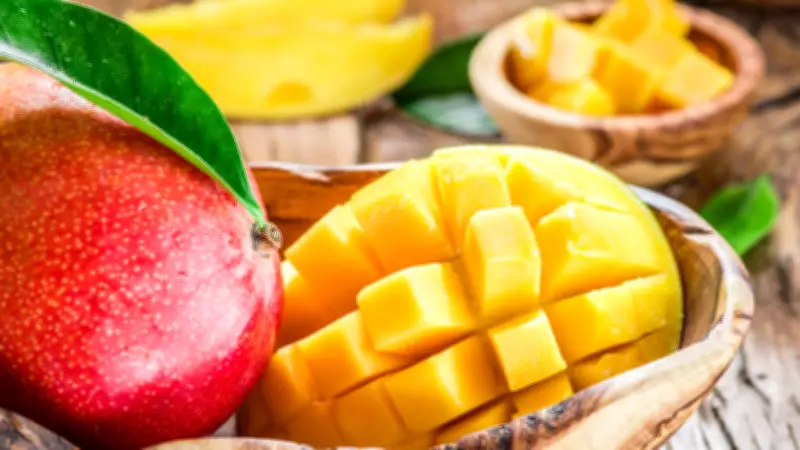
Summer in India feels incomplete without mangoes. From sliced Alphonsos at lunch to chilled mango bowls after dinner, the fruit carries nostalgia, comfort, and celebration in every bite. But for many people living with diabetes, mango season also comes with guilt and confusion. Can mangoes really be eaten safely? Or does every slice push blood sugar levels higher? The answer is more balanced than the internet often makes it seem.
Mangoes and Diabetes: A Balanced View
Mangoes do contain natural sugars. But they are not "poison" for diabetics. In fact, many endocrinologists now believe that completely banning seasonal fruits can make healthy eating feel restrictive and emotionally exhausting. What matters more is understanding quantity, timing, and pairing.
According to Dr Aishwarya Krishnamurthy, Senior Consultant – Endocrinology & Diabetes, Max Super Speciality Hospital, Vaishali, diabetics do not necessarily need to stay away from mangoes altogether. "Diabetics don’t need to avoid enjoying mangoes during mango season altogether. While mangoes contain natural sugars and carbohydrates which can raise blood sugar levels, they can still safely be eaten in moderation. The key to safely enjoying mangoes is portion size, timing and food pairing, rather than an outright avoidance of the fruit," she says.

Why Sweetness Alone Is Not the Enemy
One of the biggest myths around diabetes is that sweetness automatically equals harm. But nutrition is more complicated than taste. A ripe mango contains natural fruit sugar along with fibre, antioxidants, vitamin A, vitamin C, and plant compounds called polyphenols. Fibre slows digestion, which means blood sugar does not rise as rapidly as it might after consuming sugary desserts or packaged drinks. Research supported by the NIH explains that carbohydrates affect blood glucose differently depending on the food source, fibre content, and meal composition. This means one small serving of fresh mango is not equal to drinking a large glass of mango shake loaded with sugar and ice cream. That difference matters more than most people realise.
The Right Way to Eat Mangoes
The real problem begins when mangoes are eaten the wrong way. A bowl of mango slices after a balanced lunch behaves very differently inside the body compared to mango juice consumed on an empty stomach. Dr Krishnamurthy explains, "Eating mangoes when there is no food in the stomach, for example, juices, shakes and desserts can possibly lead to rapid increases in blood sugar level spikes. Therefore, it is advisable for diabetics to eat mango slices with a protein source or healthy fat such as nuts, seeds, Greek yogurt or cottage cheese; these types of food can help slow down the rate of digestion and maintain more stable blood sugar levels."
This is where modern eating habits create trouble. Many people no longer eat mangoes as fruit. They consume them as syrups, smoothies, milkshakes, cheesecakes, ice creams, packaged yogurts, and sweetened desserts. These versions often remove fibre while adding extra sugar and calories. Fresh fruit behaves differently from processed fruit. A simple homemade plate of mango slices with a handful of almonds may actually be a smarter choice than a "sugar-free" mango dessert from a café.
Timing Matters More Than You Think
Late-night snacking has quietly become one of the biggest lifestyle problems linked to poor glucose control. And mangoes eaten at midnight while binge-watching television can affect the body differently compared to eating them during the daytime. "The timing of when to eat mangoes also matters. The recommended time to eat mangoes is during the day when the body is more active and insulin sensitivity is at its highest. Eating a larger amount of mangoes late in the evening can result in excessive fluctuations in blood glucose level," says Dr Krishnamurthy.
That does not mean mangoes become "toxic" after sunset. It simply means the body may handle sugars better when physical activity and metabolism are naturally higher. A practical approach works best: eat smaller portions, prefer daytime consumption, avoid combining mangoes with sugary desserts, and skip packaged mango drinks. Sometimes the safest nutrition advice is also the simplest.

Portion Control: The Key to Enjoyment
Nutrition experts often say there are no completely "good" or "bad" foods, only good and bad patterns. That is especially true for mangoes. A few slices can fit into a balanced diabetic meal plan. Eating three large mangoes in one sitting is different. Most diabetics can safely enjoy around half to one cup of mango pieces occasionally, depending on their blood sugar control, medication, activity levels, and overall diet. Individual tolerance varies, which is why monitoring blood glucose responses can help. The idea is not fear. The idea is awareness. Food restrictions that feel punishing rarely last long. Sustainable eating habits usually come from moderation rather than denial. There is also an emotional side to food that often gets ignored in diabetes conversations. Completely avoiding beloved seasonal foods can increase cravings, frustration, and unhealthy binge cycles later. Enjoying mangoes mindfully may actually support a healthier long-term relationship with food.
Beyond Mangoes: Overall Lifestyle Matters
Many people focus intensely on single foods while ignoring the bigger picture. Poor sleep, chronic stress, inactivity, smoking, and lack of exercise often damage glucose control more consistently than an occasional serving of mango. Dr Krishnamurthy highlights, "The overall lifestyle factors, including regular exercise, sufficient sleep and properly managing stress, can also play a role in the body’s blood glucose balance. Taking a short walk after eating may help increase the glucose use of the body. By being conscious about the food eaten and the amount eaten, along with consuming mangoes in moderation, diabetics should not fear eating mangoes in the summertime."
That final line matters. Fear-based nutrition advice often creates confusion instead of health. A short walk after meals, regular sleep patterns, balanced meals rich in protein and fibre, and routine glucose monitoring usually have a far greater impact than obsessing over one seasonal fruit. And perhaps that is the healthiest lesson mango season can teach: food should be understood, not feared.