CDC Sounds Alarm with Level-2 Polio Travel Advisory as Virus Resurfaces Globally
Global health authorities are raising urgent concerns over polio, a disease once thought to be nearing eradication, as new cases and environmental detections emerge worldwide. The Centers for Disease Control and Prevention (CDC) has issued a Level-2 travel advisory, warning travellers to take enhanced precautions against the poliovirus. This alert comes amid surveillance findings of circulating poliovirus in dozens of countries, highlighting that the battle against this infectious disease is far from over.
What Does a Level-2 Polio Advisory Mean for Travellers?
The CDC categorizes travel health notices from Level 1, which advises usual precautions, to Level 4, which recommends avoiding all travel. A Level-2 advisory indicates elevated health risks, prompting travellers to practice enhanced precautions. Specifically for polio, the CDC recommends:
- Ensuring all travellers are fully vaccinated before international trips.
- Considering a single lifetime booster dose for adults who have already been vaccinated.
- Completing routine vaccination schedules for those who are unvaccinated or partially vaccinated.
Health officials emphasize that vaccination remains the most effective defense against the virus, underscoring its critical role in prevention.

Why the CDC Issued This Warning Now
The advisory follows recent detections of poliovirus in multiple regions, including parts of Europe, Africa, the Middle East, and Asia. At least 32 countries have reported circulating poliovirus, leading to the enhanced travel notice. Popular destinations such as Germany, Spain, the United Kingdom, Poland, Finland, Egypt, and Kenya have recorded outbreaks or environmental detections in wastewater systems.
Experts clarify that these findings do not necessarily signal widespread outbreaks but indicate ongoing transmission risks, particularly in areas with lower vaccination coverage. This resurgence serves as a stark reminder of the persistent threat polio poses globally.
Understanding Polio: A Highly Contagious and Dangerous Disease
Polio, or poliomyelitis, is a viral infection that attacks the nervous system and can lead to paralysis or death in severe cases. The virus spreads primarily through:
- Contaminated food or water.
- Contact with infected fecal matter.
- Poor sanitation and hygiene conditions.
Many infected individuals show no symptoms, making detection and control challenging. While global vaccination campaigns have reduced cases by over 99% since 1988, the virus continues to circulate in some regions, and international travel can facilitate its spread.
The Critical Role of Pharmacists in Polio Prevention
The CDC's advisory specifically highlights pharmacists as frontline public-health educators. As often the first healthcare professionals consulted before international travel, pharmacists are tasked with:
- Reviewing travellers' vaccination histories.
- Recommending polio boosters when necessary.
- Educating patients about symptoms and prevention measures.
- Advising on hygiene precautions abroad.
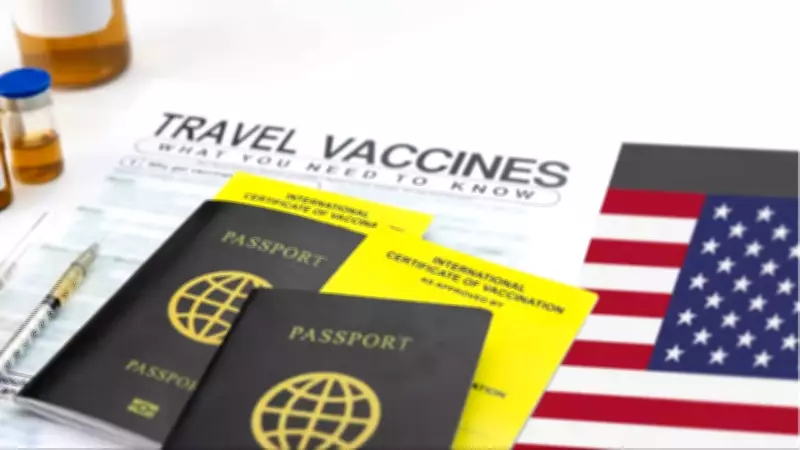
Healthcare professionals are also urged to ensure unvaccinated individuals complete the routine polio vaccine series before travel. Since requirements vary by destination, pharmacists may assist with documentation, such as the International Certificate of Vaccination or Prophylaxis.
Travel Rules and Vaccine Requirements Under the Advisory
In countries with active poliovirus transmission, travellers may face additional requirements. For instance:
- Visitors staying longer than four weeks may need to show proof of polio vaccination before departure.
- Adults who completed childhood vaccinations might require a one-time booster dose prior to travel.
These measures aim to prevent the cross-border export of the virus, reinforcing the importance of compliance with health regulations.
Challenges in Global Polio Eradication Efforts
Despite significant progress, polio has not been eradicated worldwide. The Global Polio Eradication Initiative, launched in 1988, faces ongoing challenges, including:

- Vaccine hesitancy in certain regions.
- Continued transmission in a handful of countries.
- Financial pressures affecting global vaccination programs.
Health experts warn that as long as the virus exists anywhere, every country remains vulnerable to re-importation through travel, making sustained vigilance essential.
Key Advice for Travellers Amid the Level-2 Advisory
Health authorities recommend the following steps before international travel:
- Check vaccination status and complete any necessary immunizations.
- Consult a healthcare professional or pharmacist about potential boosters.
- Maintain good hygiene, including frequent handwashing.
- Monitor official travel health notices for updates.
Most importantly, travellers should plan vaccinations four to six weeks before departure to allow time for immunity development. The CDC's Level-2 advisory underscores a crucial reality: while polio has been pushed to the brink of eradication, it remains a persistent global threat.
With international travel rebounding and uneven vaccination rates in some regions, healthcare professionals, especially pharmacists, are urged to enhance awareness and prevention efforts. For travellers, the message is clear: verify your vaccines, consult your pharmacist, and stay protected before you fly.