

Cobra vs Cottonmouth: A Detailed Comparison of Venomous Snakes
Snakes have long captivated human interest, with venomous species like cobras and cottonmouths standing out as particularly feared and renowned. While both are dangerous and capable of causing harm, they exhibit distinct differences in terms of danger, venom, behavior, and habitat. This analysis delves into these aspects to provide a comprehensive understanding of these two formidable reptiles.
Differences Between Cobra and Cottonmouth
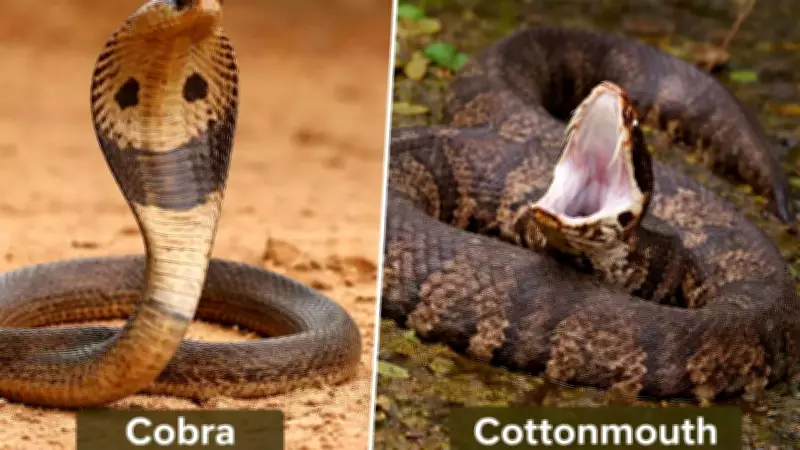
Cobras, belonging to the Naja genus, are primarily found in Africa and Asia. They are easily recognizable by their iconic hoods and possess neurotoxic venom, which targets the nervous system, leading to paralysis and potentially fatal respiratory failure if untreated. The king cobra, in particular, holds the title as the world's longest and most venomous snake.
In contrast, cottonmouths, also known as water moccasins, are native to the southeastern United States. They are characterized by a white lining in their mouths, which they display as a warning to predators. Their venom is hemotoxic, causing tissue damage and disrupting blood circulation, unlike the neurotoxic effects of cobras.

Venom Comparison and Effects
The primary distinction between these snakes lies in their venom types. Cobras produce neurotoxic venom that attacks the nervous system, resulting in symptoms such as paralysis, breathing difficulties, and a high risk of death without prompt medical intervention.
Cottonmouths, on the other hand, deliver hemotoxic venom that destroys body tissues, induces severe pain, and can lead to long-term damage. Although extremely dangerous and painful, this venom is generally considered less lethal than that of cobras, as neurotoxins can rapidly halt critical bodily functions.
Behavior and Likelihood of Attack
Danger is not solely determined by venom potency but also by the snake's propensity to bite. Cobras are typically non-confrontational and only attack when threatened, using their hood display as a warning to deter humans.
Cottonmouths tend to be more defensive, often standing their ground and displaying their mouths as a threat when cornered. This aggressive behavior, especially in areas where human activities overlap with their aquatic habitats, increases the likelihood of encounters and bites.
Habitat and Human Encounters
Cobras inhabit diverse environments, including forests, grasslands, and even urban areas in Asia and Africa, which can lead to sporadic human interactions.
Cottonmouths are confined to North America and prefer aquatic settings, such as swamps and rivers. This specialization makes human encounters more common during activities like fishing, hiking, or boating, despite their lower fatality rate compared to cobras.
Which Snake Is Actually Deadlier?
In terms of overall danger, cobras are considered deadlier due to their potent neurotoxin, which acts quickly and has a higher potential for fatal outcomes. However, this does not diminish the threat posed by cottonmouths; their bites can cause significant harm and require immediate medical attention.
The key takeaway is that all venomous snakes should be treated with caution and respect. Deadliness encompasses not just venom strength but also factors like behavior and habitat overlap with humans. Understanding these nuances helps in fostering safer coexistence with these fascinating yet perilous creatures.






