Sudden cardiac death (SCD) strikes without warning, often leaving families devastated. While it's commonly associated with pre-existing heart conditions, medical experts warn that several widespread, chronic diseases can silently set the stage for this fatal event. The risk extends far beyond primary cardiac ailments, embedding itself in common health issues affecting millions of Indians.
Silent Culprits: Chronic Conditions That Strain Your Heart
It's a critical misconception that only those with known heart problems are vulnerable. The heart operates as part of an interconnected system, and strain from other organs can lead to catastrophic failure. Conditions like diabetes, hypertension, and chronic kidney disease create a toxic internal environment that damages blood vessels and heart muscle over time. This progressive damage can lead to electrical instability in the heart, culminating in sudden cardiac arrest.
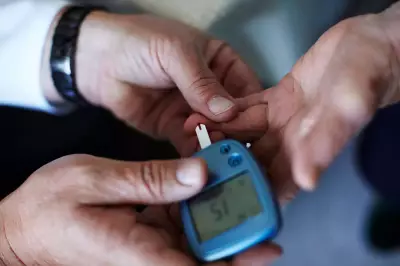
Diabetes, in particular, is a major accelerator. High blood sugar levels slowly injure the nerves that control the heart and the small blood vessels that nourish it. This diabetic cardiomyopathy weakens the heart's structure and disrupts its electrical pathways. Similarly, uncontrolled hypertension forces the heart to work against excessively high pressure, causing the heart muscle to thicken and become irritable, prone to dangerous rhythms.

The Role of Obesity and Thyroid Disorders
Two other prevalent conditions significantly contribute to the risk matrix. Obesity is not merely a weight issue; it's a state of chronic inflammation. Excess body fat, especially around the abdomen, releases chemicals that promote atherosclerosis (hardening of arteries) and increase the heart's workload. This combination significantly raises the likelihood of coronary artery disease and arrhythmias, both precursors to SCD.
Thyroid disorders, often overlooked in cardiac discussions, play a direct role. An overactive thyroid (hyperthyroidism) can push the heart into overdrive, increasing its rate and force of contraction, which can trigger arrhythmias. Conversely, an underactive thyroid (hypothyroidism) can lead to elevated cholesterol levels and a weakening of the heart muscle, creating another pathway to potential failure.
Chronic Kidney Disease: A Double-Edged Sword
The link between the kidneys and the heart is profound, a connection termed cardiorenal syndrome. Chronic kidney disease (CKD) leads to an imbalance of electrolytes like potassium and calcium in the blood, which are crucial for maintaining a stable heart rhythm. Fluid retention from failing kidneys increases blood volume, straining the heart and often leading to hypertension and heart failure. Furthermore, CKD accelerates vascular calcification, making arteries stiff and increasing cardiac stress.
This creates a vicious cycle where heart disease worsens kidney function, and declining kidney function exacerbates heart disease, dramatically amplifying the overall risk of sudden cardiac death. Patients with advanced CKD are among the highest risk groups for fatal cardiac events.
Prevention and Proactive Management: The Way Forward
The presence of these diseases makes vigilant management non-negotiable. The cornerstone of prevention lies in aggressive control of the primary condition. For a diabetic, this means maintaining target HbA1c levels. For a hypertensive patient, it involves consistent medication to keep blood pressure in check. Regular monitoring and medication adherence are paramount.
Lifestyle intervention forms the second critical pillar. A heart-healthy diet low in salt, sugar, and saturated fats, combined with regular, moderate exercise, can mitigate risks across all these conditions. Regular cardiac screenings, including ECGs and echocardiograms, are essential for individuals with these chronic diseases, even in the absence of overt cardiac symptoms. These tests can identify early signs of heart muscle weakness or electrical issues.

Ultimately, understanding that diseases like diabetes, hypertension, obesity, thyroid disorders, and CKD are not isolated health issues but significant risk factors for sudden cardiac death is the first step toward prevention. A holistic approach to health, treating the whole body system, is key to safeguarding the heart against this sudden and silent threat.