

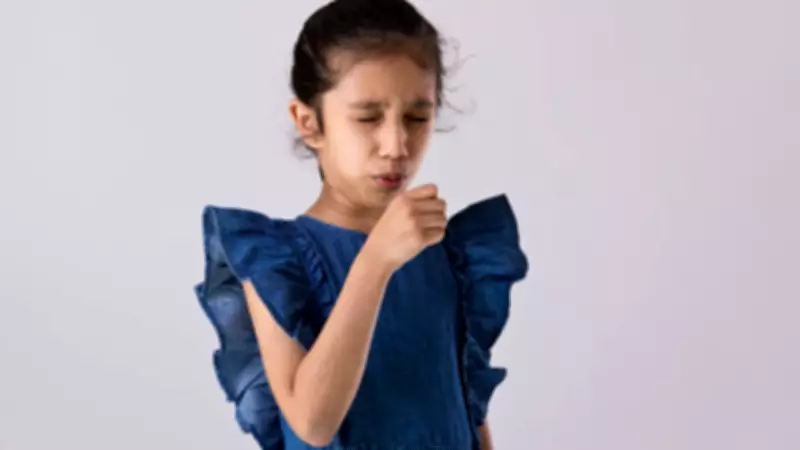
Delhi's Toxic Air Triggers Sharp Rise in Paediatric Hospital Visits
As Delhi continues to grapple with hazardous air quality, hospitals are witnessing a significant surge in outpatient department (OPD) visits, particularly among children. Medical professionals report a disturbing trend that underscores the severe health impact of the city's pollution crisis.
Alarming Statistics Reveal Healthcare Burden
According to recent observations from healthcare facilities in the National Capital Region, OPD footfall has increased by 20-30% during pollution periods compared to cleaner months. This year and last have shown consistent patterns, with evenings experiencing particularly high patient volumes as symptoms tend to worsen later in the day.
Most concerning is the 30-40% overall increase in OPD visits directly or indirectly linked to air pollution exposure, indicating a growing public health emergency that demands immediate attention.

Expert Insight from Pediatric Specialist
Dr. Akshay Mehta, Senior Consultant in Neonatology & Paediatrics at Motherhood Hospitals in Greater Noida, provided detailed analysis of the situation. "As Delhi's Air Quality Index has remained in the poor to severe category, we've observed a clear and subtle rise in paediatric OPD visits for respiratory and allergy-related complaints over the past two weeks," he explained.
"This contrasts sharply with the pre-October period when pollution levels were lower. The increase translates to 50-100 additional children per week presenting with symptoms including cough, wheezing, breathlessness, allergic reactions, and recurrent infections."
Vulnerable Age Groups and Risk Factors
While all age groups have been affected by the deteriorating air quality, certain demographics face heightened risks:
- Infants and toddlers (0-3 years): Most vulnerable due to immature lung development and narrower airways
- Pre-school and school-age children (4-10 years): At risk from increased outdoor exposure during sports activities and school commutes
- Children with pre-existing conditions: Those with asthma, allergic rhinitis, or recurrent wheezing face exacerbated symptoms
Dr. Mehta noted an additional concern: "Even babies who primarily stay indoors are impacted. This is a crucial time for socialization and outdoor play, but poor air quality has prevented this normal development for months."
Recognizing Warning Signs and Symptoms
Parents should remain vigilant for specific indicators that may signal pollution-related health issues:
- Persistent dry cough, particularly at night or early morning
- Frequent throat clearing or nasal congestion without fever
- Watery eyes, sneezing, or itchy nose
- Reduced stamina and easy fatigability
- Breathlessness during play or physical activity
- Increased use of inhalers among asthmatic children
"Ignoring these symptoms can lead to worsening respiratory illnesses if exposure continues," Dr. Mehta warned, emphasizing the importance of timely medical consultation.
Practical Prevention Strategies for Families
Healthcare professionals recommend several protective measures to mitigate pollution's impact:
- Avoid outdoor activities when AQI readings indicate poor air quality
- Keep windows closed during peak pollution hours
- Utilize air purifiers in children's bedrooms
- Ensure proper mask usage for children aged six years and above when outdoors
- Maintain good hydration and balanced diets rich in antioxidants
- Continue prescribed inhaler regimens for allergic or asthmatic children without interruption
Dr. Mehta concluded with crucial advice: "Every medical consultation represents a vital step toward protecting our children's health during this prolonged pollution crisis. Proactive measures and awareness can significantly reduce the harmful effects of Delhi's toxic air on young, developing respiratory systems."






