

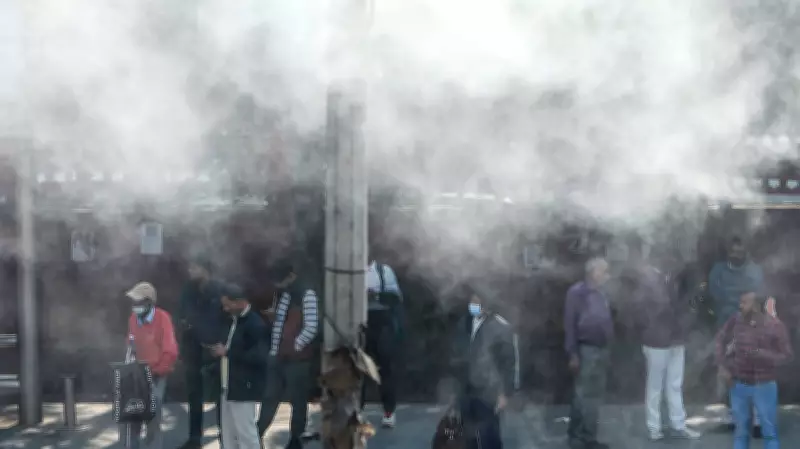
Delhi's Polluted Air Now Harbors Antibiotic-Resistant Superbugs, JNU Research Reveals
A groundbreaking study conducted by Jawaharlal Nehru University (JNU) has uncovered a disturbing new dimension to Delhi's air pollution crisis. Researchers have detected the presence of antibiotic-resistant bacteria, commonly referred to as superbugs, in the city's polluted atmosphere. This alarming discovery highlights a significant public health threat that extends beyond respiratory issues to potentially untreatable infections.
Environmental Spread of Antimicrobial Resistance
The JNU study indicates that Delhi's air, already notorious for its high levels of particulate matter, now serves as a vector for spreading antimicrobial resistance (AMR). These superbugs can travel through the air, posing risks to human health through inhalation or contact. This environmental contamination underscores how air pollution is evolving into a multifaceted hazard, directly impacting microbial ecosystems and human immunity.
Expert Warnings on Antibiotic Misuse and Disposal
In response to these findings, health experts are issuing urgent warnings. They emphasize that controlling antibiotic use is critical to mitigating this threat. Specifically, the sale of antibiotics over the counter must be strictly avoided to prevent misuse and overprescription. Additionally, improper disposal of antibiotics, such as flushing them down drains or throwing them in regular trash, can increase AMR levels in the environment. These practices contribute to the development and spread of resistant bacteria, making infections harder to treat.

Implications for Public Health and Policy
The presence of superbugs in Delhi's air has profound implications for public health and environmental policy. It calls for:
- Enhanced monitoring of air quality to include microbial contaminants.
- Stricter regulations on antibiotic sales and disposal methods.
- Public awareness campaigns to educate citizens on the dangers of AMR and proper medication handling.
This study serves as a wake-up call for authorities and the public alike, urging immediate action to address both air pollution and antimicrobial resistance in tandem. As Delhi grapples with its pollution woes, this new finding adds urgency to the need for comprehensive environmental and health strategies.






