

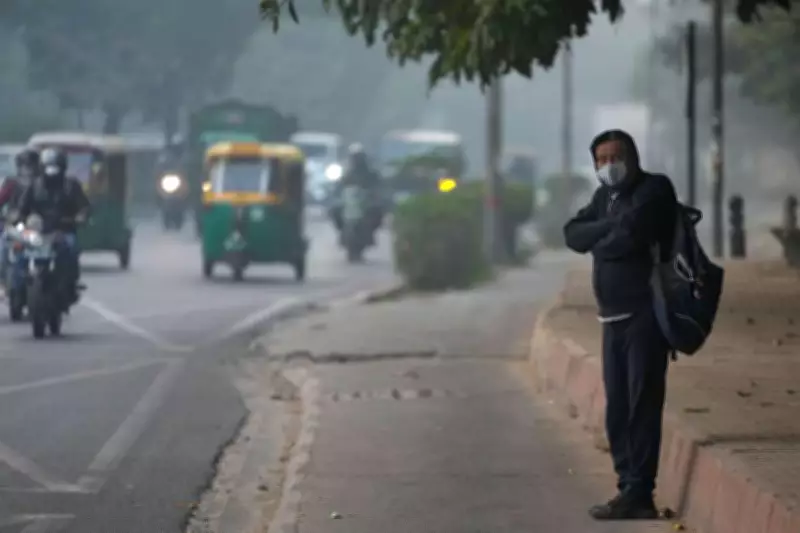
Delhi Gripped by Hazardous Fog and Severe Air Pollution Crisis
The national capital, Delhi, is currently grappling with an intense environmental crisis as a thick blanket of dense fog has engulfed the city, drastically reducing visibility to alarming levels. Meteorological reports indicate that visibility has plummeted below 50 meters in several areas, creating hazardous conditions for transportation and daily life. This severe fog event is exacerbating the already critical air pollution situation, with particulate matter concentrations soaring and the Air Quality Index (AQI) reaching dangerous thresholds.
Flight Operations and Transportation Face Major Disruptions
Authorities have issued warnings that flight operations at Delhi's Indira Gandhi International Airport are likely to be severely affected due to the poor visibility. Airlines are preparing for potential delays, diversions, or cancellations, urging passengers to check their flight status regularly. The fog has also impacted road and rail networks, with reduced speeds and increased accident risks reported across the region. Commuters are advised to exercise extreme caution, use fog lights, and avoid unnecessary travel during early morning and late evening hours when conditions are at their worst.
Health Implications and Public Advisory
The combination of dense fog and high pollution levels poses significant health risks, particularly for vulnerable groups such as children, the elderly, and individuals with respiratory conditions like asthma or bronchitis. Doctors recommend limiting outdoor activities, wearing N95 masks when outside, and using air purifiers indoors. The government has activated its Graded Response Action Plan (GRAP) measures, including restrictions on construction activities and vehicle entry, to mitigate the pollution impact. Residents are encouraged to stay informed through official channels and follow health advisories to protect themselves from the hazardous atmospheric conditions.

Meteorological Outlook and Long-term Concerns
Weather experts attribute the dense fog to a combination of low temperatures, high humidity, and calm wind conditions, which are expected to persist in the coming days. This recurring winter phenomenon highlights broader environmental challenges, including stubble burning in neighboring states and vehicular emissions, that contribute to Delhi's chronic air quality issues. Environmentalists call for sustained policy interventions and public awareness to address the root causes of pollution, emphasizing that such episodes not only disrupt daily life but also have long-term consequences for public health and economic productivity in the region.






