Deadly Nipah Virus Outbreak in West Bengal Triggers Global Health Alert
The recent emergence of the Nipah virus outbreak in West Bengal has created significant international concern, with health authorities worldwide monitoring the situation closely. This highly infectious pathogen, known for its exceptionally high fatality rate of up to 75 percent, has already resulted in two confirmed cases in the region, prompting immediate public health responses across Asia.
Airports Reinstate COVID-Era Health Protocols Amid Nipah Scare
In response to the growing threat, numerous airports throughout Asia have swiftly reinstated health screening measures reminiscent of those implemented during the COVID-19 pandemic. This precautionary action comes at a critical time, as there remains no approved vaccine or specific medication available to treat Nipah virus infections effectively, leaving healthcare systems vulnerable to potential outbreaks.
Chinese Researchers Identify Promising Antiviral Candidate
Amid this concerning scenario, researchers from China's Wuhan Institute of Virology have announced potentially groundbreaking findings. Their study, published in the November edition of the scientific journal Emerging Microbes & Infections, reveals that an oral antiviral medication originally developed for COVID-19 treatment has demonstrated significant therapeutic potential against the Nipah virus.

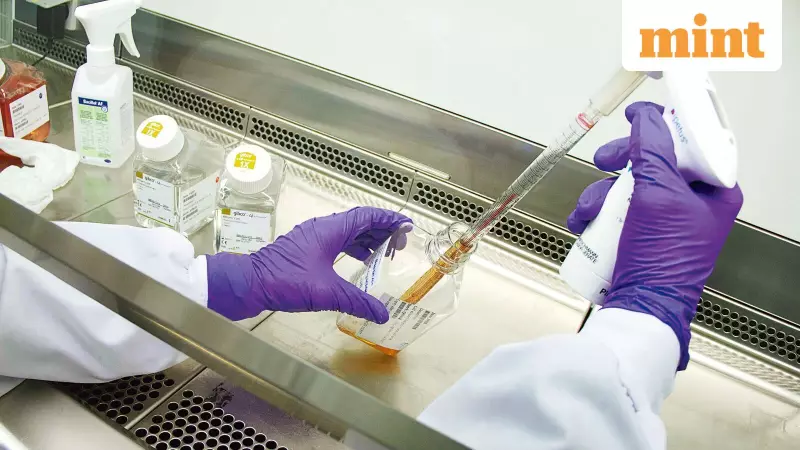
The drug, identified as VV116, was administered to golden hamsters infected with the Nipah virus in controlled laboratory experiments. Remarkably, the treatment resulted in a 66.7 percent survival rate among the test subjects, with two-thirds of infected hamsters recovering following administration of the oral dose.
According to the research team, this represents the first documented evidence showing VV116's effectiveness against the Nipah virus pathogen. The study further indicated that the antiviral compound substantially reduced viral concentrations in critical organs typically targeted by the infection, including:
- The lungs
- The spleen
- The brain
Potential Dual Application as Preventive and Therapeutic Agent
The Wuhan Institute researchers have characterized VV116 as a preventive pharmaceutical option that could serve multiple crucial functions in managing Nipah virus threats. In their official statement, they emphasized that this medication could potentially be utilized in two distinct capacities:
- As a prophylactic treatment for high-risk populations including healthcare professionals and laboratory workers
- As an accessible therapeutic option for addressing both current and future Nipah virus outbreaks
Understanding the Nipah Virus Threat
The World Health Organization classifies Nipah virus as a zoonotic pathogen that transmits from animals to humans, primarily through contaminated food sources. The virus also demonstrates human-to-human transmission capabilities, making it particularly dangerous in community settings.
Infected individuals typically develop neurological symptoms within days or weeks of exposure, which may include:
- Altered consciousness and confusion
- Seizures and convulsions
- Severe respiratory complications
Professor Dr. Narendra Kumar Arora, President of AIIMS Bilaspur, has issued warnings about the serious public health risks posed by this highly infectious virus. He noted that sporadic outbreaks have occurred previously in both Kerala and West Bengal, with Bangladesh remaining endemic for the Nipah virus.
Dr. Arora emphasized the critical importance of administering monoclonal antibodies to confirmed Nipah patients as rapidly as possible, while acknowledging the current global limitations in availability of these specialized treatments.

The WHO has designated Nipah virus as a priority disease for research and development, particularly following the devastating 2018 outbreak in Kerala that claimed 17 lives. This classification underscores the urgent need for effective treatments and preventive measures against this formidable pathogen.