

Delhi Wakes Up to Dense Fog as IMD Issues Weather Alerts for Northern India
Residents of Delhi encountered a thick blanket of dense fog early on Monday morning, February 2, 2026, significantly reducing visibility across various parts of the national capital. Visuals from areas such as Mahipalpur, located near the Indira Gandhi International Airport, depicted scenes of very low visibility, with the India Meteorological Department (IMD) classifying the conditions as 'Moderate Fog'. This atmospheric phenomenon has become a recurring feature during the winter months, impacting daily commutes and transportation schedules.
Air Quality and Regional Fog Forecast
Concurrently, the air quality in the affected regions remained a concern. The Central Pollution Control Board (CPCB) recorded an Air Quality Index (AQI) of 134 in the 'moderate' category, indicating that while pollution levels were not severe, they warranted attention for sensitive groups. The IMD has extended its fog predictions, anticipating that dense fog conditions are likely to persist during morning and night hours at several locations over Punjab, Haryana, and Chandigarh until February 3, with isolated pockets experiencing similar conditions until February 5.
Further regional forecasts include:

- Dense fog at isolated pockets over West Uttar Pradesh until February 5.
- Similar conditions in West Rajasthan, Madhya Pradesh, Bihar, and Assam & Meghalaya until February 2.
- Sub-Himalayan West Bengal & Sikkim and Odisha until February 3.
- East Rajasthan during February 3 to 5, 2026.
Rainfall and Snowfall Alerts for Western Himalayas
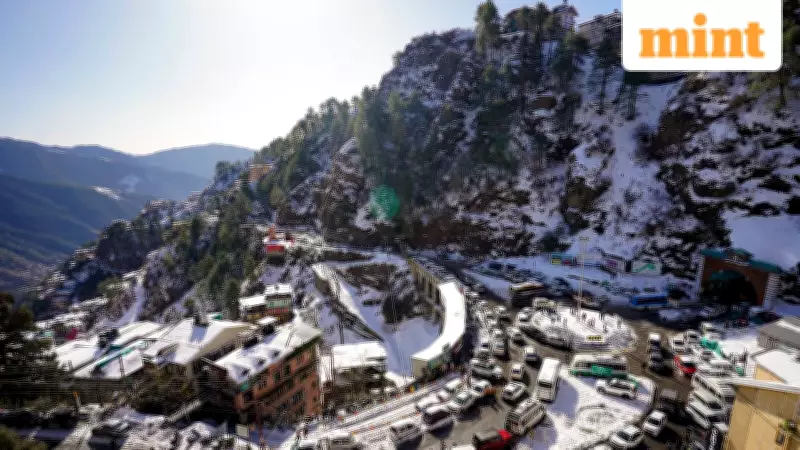
In a separate weather development, the IMD has issued alerts for precipitation in the Western Himalayan region. Light to moderate rainfall and snowfall are expected to occur over this area, with isolated to scattered rainfall extending into adjoining northwest and central India from February 1 to 3, 2026. This weather activity is attributed to the influence of two 'quick' successive Western Disturbances, which are weather systems that bring moisture and precipitation to northern India.
The IMD has detailed specific areas where rainfall and snowfall may occur:
- Scattered to fairly widespread rainfall/snowfall over Jammu-Kashmir-Ladakh-Gilgit-Baltistan-Muzaffarabad, Himachal Pradesh, and Uttarakhand during February 1-3, 2026.
- Isolated to scattered light rainfall with thunderstorms likely over Uttar Pradesh and East Rajasthan on February 1 and 2.
- A few places in Madhya Maharashtra may experience similar conditions on February 2, 2026.
Upcoming Weather Patterns and Long-term Outlook
Looking ahead, the weather department has indicated that a third Western Disturbance is likely to affect the Western Himalayan region from February 5 until 7, 2026. This suggests that the current spell of precipitation may be followed by another round of weather activity, potentially extending the period of rainfall and snowfall in these regions. Such patterns are crucial for agriculture, water resources, and tourism, especially in hilly areas where snowfall can impact road connectivity and daily life.
The combination of fog in plains like Delhi and precipitation in the Himalayas underscores the diverse weather conditions across India during this period. Authorities advise residents and travelers to stay updated with the latest weather bulletins, exercise caution on roads due to reduced visibility, and prepare for possible disruptions in hilly regions. As winter progresses, monitoring these developments remains essential for safety and planning purposes.






