Imagine the simple pleasure of walking barefoot on a warm, sandy beach, feeling the sun and sea breeze. Now, imagine the painful consequence of forgetting sunscreen: blistered, peeling skin by evening. This sunburn analogy perfectly illustrates what untreated diabetes can slowly and subtly do to your feet over time. A tiny, unnoticed cut can eventually escalate into a major medical crisis.
For the millions living with diabetes in India, feet are far more than just a neglected body part. They are the frontline soldiers and the first alarm system for deeper health issues. Minor cuts can become stubborn ulcers, mild redness can signal underlying nerve damage, and untreated blisters can spiral into severe infections, sometimes leading to the devastating outcome of amputation. This is why medical professionals assert that foot care is as vital as insulin injections and diet management. The good news is that prevention doesn't necessarily mean expensive treatments; it often lies in simple daily habits, smart footwear choices, and gentle activity.
Expert Insights: Why Your Feet Demand Attention
In an exclusive discussion, senior diabetologists from Tamil Nadu shed light on the critical importance of foot care. Dr. Mahesh Babu, Senior Consultant Diabetologist at Meenakshi Super Speciality Hospital in Madurai, emphasized that "Foot hygiene and regular inspection is as vital as insulin and diet management." He advised washing feet with lukewarm water and moisturizing appropriately, while cautioning that excessive moisturizer can lead to fungal infections.

Dr. Babu strongly recommended custom-made diabetic footwear or the use of insoles. He explained that these specialized items help in distributing pressure equally across the foot, significantly reducing friction compared to open slippers or high heels, which are notorious for causing blisters.
Echoing this concern, Dr. Nanda Kumar R, Senior Consultant - General Medicine at SRM Hospitals in Chennai, provided a stark reality check. "Feet health is usually given the least attention despite being one of the first areas to show serious damage," he stated. Prolonged high blood sugar damages small nerves—a condition known as peripheral neuropathy—leading to loss of sensation and poor circulation. This dangerous combination allows minor blisters to progress into ulcers.
The statistics from India are alarming. Dr. Nanda Kumar revealed that 25% of all diabetes-related hospital admissions in the country are due to foot complications. Even more concerning is the fact that foot ulcers carry a five-year mortality rate of 40–45%, a figure comparable to several cancers.
What Research Says About Prevention
The science supporting preventive measures is robust and clear. Multiple studies confirm that the right footwear is a powerful tool.
Therapeutic Footwear Cuts Ulcer Risk by Nearly Half: Dr. Mahesh Babu's emphasis on custom-made footwear is backed by a 2022 study published in the Journal of Foot and Ankle Research. The study concluded that "Special therapeutic footwear with offloading properties significantly reduces the incidence of diabetic foot ulcers compared to conventional footwear."
Custom Insoles Lower Plantar Pressure: Dr. Babu also highlighted that proper insoles prevent friction and pressure. A 2024 study in Medicina (MDPI) found concrete evidence, stating, "The use of foot insoles significantly reduced peak plantar pressure in the hallux, medial and lateral forefoot areas compared to controls."
Adherence is Key: However, this protection only works if the footwear is actually worn. Dr. Nanda Kumar warned that complications escalate rapidly if preventive steps are ignored. A 2013 study in Diabetes Care reinforced this, finding that "Among patients with high adherence, custom-made footwear reduced ulcer recurrence risk by 46% versus standard footwear."
Preventive Steps: Your Daily Shield Against Complications
Experts recommend a simple yet consistent routine to keep diabetic feet safe and healthy.

Daily Foot Hygiene and Inspection: Treat this as non-negotiable. Wash your feet daily with lukewarm water, dry them thoroughly—especially between the toes—and inspect every inch for cracks, redness, swelling, colour changes, and tiny wounds.
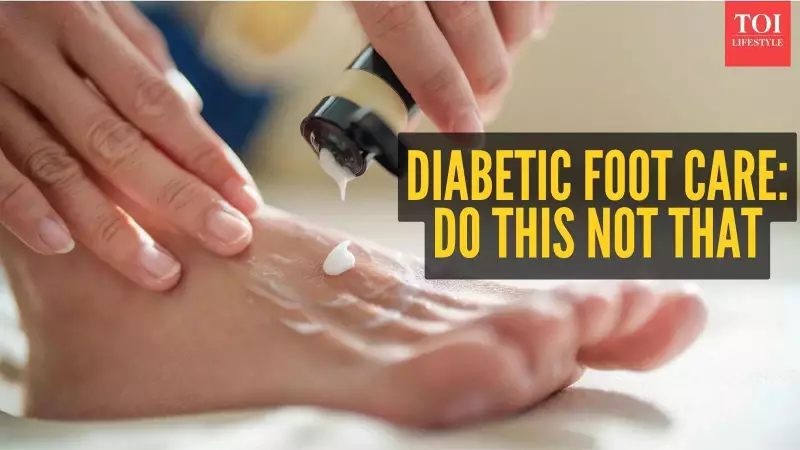
Moisturise Wisely: Apply lotion on the heels and soles to prevent cracking, but avoid the areas between your toes to prevent fungal infections caused by excess moisture.
Wear Protective Footwear: Invest in custom-made diabetic footwear or quality insoles. Avoid open slippers, thin sandals, and high heels that cause blisters and pressure wounds.
Choose Gentle Activities: Dr. Babu recommended Yoga, mild walking, and stretching. Avoid high-impact sports like running or long hikes, as neuropathy may prevent you from feeling an injury as it happens.
Elevate Your Feet Daily: This simple act helps improve blood circulation and reduce swelling.
Know the Red Flags: Both doctors stressed the importance of seeking immediate medical care for certain warning signs. These include skin turning black, oozing wounds, persistent ulcers, foul odour, or any discharge. Early signs like consistent numbness, tingling, flaky skin, slow-healing cuts, constant swelling, or changes in skin colour and texture should also prompt a visit to the doctor.
Bottom Line
In the context of diabetes, healthy feet are synonymous with independence. Foot complications are often the loudest warning sign of the disease's progression. The scientific evidence is clear, and the experts are unanimous in their message: check your feet daily, protect them with the right footwear, and prioritize their care. When you live with diabetes, every step you take is not just movement—it is medicine. Prevention does not require living in fear, but rather practicing daily mindfulness and respectful care. These small, consistent habits form a powerful shield, preserving your foundation of movement and ensuring long-term health and comfort.
Note: The information provided in this article is for educational purposes only and is not intended as medical advice. For any health concerns or before making changes to your treatment plan, always consult with a qualified healthcare professional.