

The Unseen Burden of Cancer Care in India
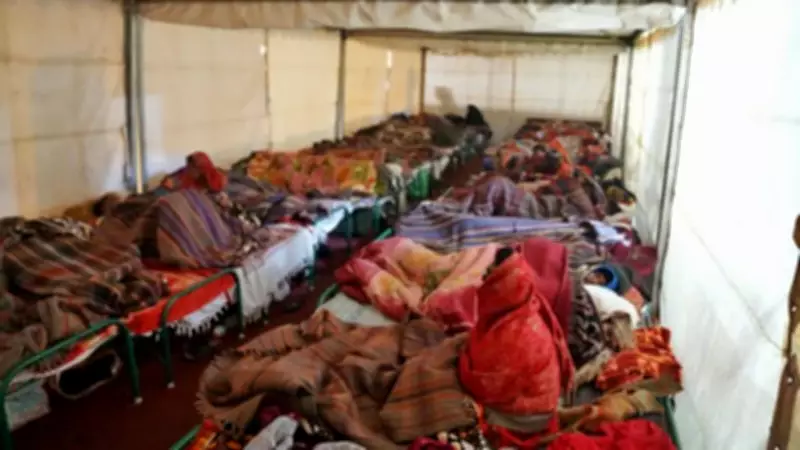
As night descends upon New Delhi, the pavement outside the prestigious All India Institute of Medical Sciences (AIIMS) transforms into a makeshift shelter for cancer patients and their families. This nightly scene, where people rest on concrete with medical files and blankets, represents a broader national crisis in India's healthcare system.
A National Pattern of Struggle
Patients arrive from states like Bihar, Uttar Pradesh, Rajasthan, and Haryana, not by choice but necessity. When online appointments stretch into months-long waiting periods, families facing cancer diagnoses have no alternative but to camp outside hospitals. Rakesh Kumar, 38, who spent nights outside AIIMS with an ailing relative, explains, "Appointment counters open at 8 am, but there is no guarantee." For many, this has become routine rather than exception.
Saurabh Kumar, 40, traveled from Samastipur in Bihar for his mother Shakuntala Devi's uterine cancer treatment, complicated by tuberculosis. Earning between Rs 10,000 and Rs 15,000 monthly through tuition teaching, he describes himself as "unemployed" in the face of medical expenses. "This is what life looks like when someone in your family has cancer," he states, highlighting how the struggle begins long before meeting a doctor.

Growing Cancer Burden Outpaces System
India's cancer statistics reveal a troubling trend. According to government data presented in Parliament, total cancer cases increased from 13.9 lakh in 2015 to 15.3 lakh in 2024, representing over 10% growth. More alarmingly, cancer deaths jumped from 6.8 lakh to 8.7 lakh during the same period—a nearly 29% increase.
The mortality-to-incidence ratio rose from 49% in 2015 to 57% in 2024, indicating that a larger proportion of diagnosed patients are now dying compared to a decade ago. Public health experts attribute this widening gap to multiple factors:
- Late diagnosis and detection
- Uneven access to treatment facilities
- Financial strain pushing families to margins of care
- Inadequate palliative support systems
NGOs Fill Critical Gaps in Care
Organizations like CanSupport have emerged as crucial players in addressing these systemic shortcomings. Operating around AIIMS and across Delhi-NCR, they provide what hospitals often cannot—sustained, non-clinical support for advanced cancer patients.
Dr. Sanjeev Sharma, an oncologist from Bengaluru, explains, "Hospitals are designed primarily for active, curative treatment. Beyond a point, they are simply not structured to provide the kind of sustained support that advanced cancer patients require."
CanSupport's comprehensive approach includes:
- Home-based palliative care programs across Delhi-NCR and Pune
- Daycare centers offering psychological and psychosocial counseling
- Essential supplies like blankets, medicines, and nutritional support
- Screening camps for early detection in underserved regions
The Human Dimension of Cancer Care
Beyond medical treatment, cancer brings profound social isolation. "People think you are untouchable until they get cancer themselves," observes Kumar. "They don't want to sit near you. They don't want to talk." Neighbors stop visiting, friends drift away, and even relatives hesitate, creating emotional voids that organizations attempt to fill.
At CanSupport's daycare centers, patients find temporary respite. Shakuntala Devi describes how activities like storytelling, music, meditation, and craft provide crucial distraction. "Mann behel jaata hai (The mind finds a distraction)," she says softly, recalling friendships formed during her stay at a Vishram Sadan near AIIMS.
Caregiver Burnout: The Silent Epidemic
For families like Sonam Bhatia's, who care for her mother-in-law with breast cancer, the emotional and financial toll is immense. Her husband earns Rs 20,000-25,000 monthly as a salesman, making expensive treatments challenging. Organizations provide not just medical support but crucial follow-up—phone calls checking on wellbeing, exercise and diet suggestions, and occasional deliveries of essentials.

Ranjana Sethi, a quality assurance executive at CanSupport, describes how caregivers often reach organizations already exhausted. "You ask how the patient is doing. You ask how they are doing. And they automatically start sharing," she says of her evening check-in calls. This mirrors what mental health experts term caregiver burnout—physical, mental, and emotional exhaustion from prolonged caregiving.
Redefining Cancer Care Beyond Cure
Dr. Ambika Rajvanshi, CEO of CanSupport, emphasizes that their work centers on dignity and quality of life. "We treat the person, not just the disease," she states, highlighting how their approach spans physical, emotional, functional, and social needs. With many Indian cancer cases diagnosed at advanced stages, palliative care becomes essential rather than optional.
Volunteer Deepti Banerjee, 66, who has worked with CanSupport for over two years, rejects pity-based approaches. "I don't like the bechari (helpless) approach," she asserts. "Anyone can fall ill. What matters is how people are treated afterwards."
As India's cancer burden continues to grow faster than its healthcare infrastructure, the nightly scenes outside AIIMS serve as stark reminders of systemic gaps. While hospitals manage the disease, much of the remaining burden—pain, logistics, exhaustion—spills into homes, onto pavements, and into the dedicated work of NGOs and caregivers who form India's unseen cancer care network.





