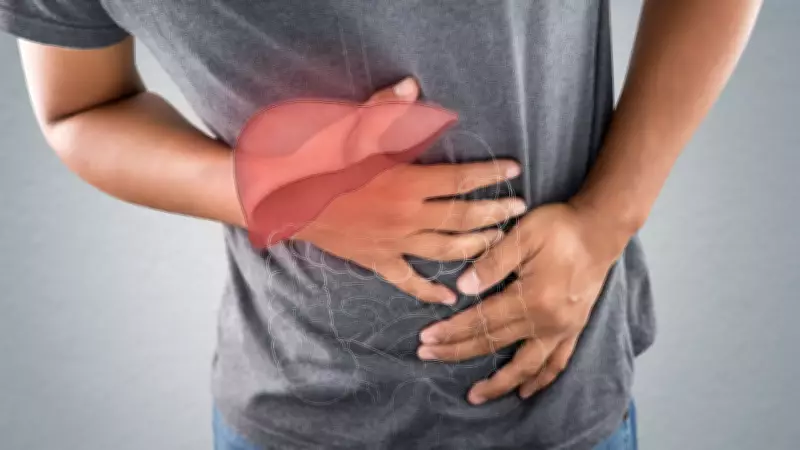
Fatty Liver Disease on the Rise: Dispelling 8 Harmful Myths
Fatty liver disease, often perceived as a mild condition, is experiencing a significant surge worldwide. Its seemingly innocuous name frequently leads to denial, as symptoms are typically absent or subtle, allowing the disease to progress silently for years. By the time noticeable signs emerge, liver damage may already be advanced. This article explores eight prevalent myths surrounding non-alcoholic fatty liver disease (NAFLD), highlights critical warning signals, and outlines effective preventive measures. The key to combating this condition lies in early recognition and proactive management.
Myth 1: Fatty Liver Exclusively Affects Alcohol Drinkers
This misconception is particularly damaging. Currently, approximately 70% of fatty liver cases are classified as NAFLD, which develops independently of alcohol consumption. Factors such as insulin resistance, excess body weight, poor dietary habits, and genetic predispositions can trigger NAFLD in individuals who abstain from alcohol entirely.
Dr. Bhaskar Nandi, Director and Head of Gastroenterology at Sarvodaya Hospital in Greater Noida, emphasized, "NAFLD affects 30-40% of the population in our country. The majority of patients with NAFLD also have diabetes, dyslipidemia, or issues with overweight and obesity. This correlation has led to fatty liver being recognized as a component of metabolic syndrome."

A 2023 study underscores that NAFLD has become the most prevalent chronic liver disease globally, impacting nearly 38% of people.
Myth 2: Normal Body Weight Guarantees a Healthy Liver
Many individuals with fatty liver appear lean, a condition referred to as "lean NAFLD." Visceral fat, which accumulates deep around internal organs, often remains invisible externally.
Dr. Nandi added, "Central obesity, measured by waist circumference, shows a stronger association with fatty liver than overall body weight. A minority, about 10%, of people with normal weight may still develop NAFLD, known as lean NAFLD."
Research published by the National Institutes of Health (NIH) identified fatty liver in individuals with normal BMI but elevated waist size and insulin resistance.
Myth 3: Normal Liver Enzymes Indicate No Issues
Routine blood tests can return normal results even as fat accumulates in the liver. Enzymes like ALT and AST frequently only elevate after liver damage has commenced.
Medical experts concur that NAFLD can persist with normal enzyme levels, particularly during its early stages, making comprehensive screening essential.
Myth 4: Fatty Liver Is Always Harmless and Reversible
While fatty liver can improve, the opportunity for reversal is not indefinite. Prolonged fat accumulation may progress to non-alcoholic steatohepatitis (NASH), fibrosis, and eventually cirrhosis.
Dr. Nandi explained, "Globally, NAFLD has emerged as the leading cause of cirrhosis, liver failure, and liver cancer. It is now the foremost reason for liver transplantation. Additionally, patients with NAFLD face increased risks of heart attacks, kidney dysfunction, and certain cancers. Timely medical consultation is advisable to assess risks and implement preventive measures."
The National Library of Medicine documents that untreated NASH substantially raises the risk of liver cancer.
Myth 5: Absence of Symptoms Means No Disease
Fatty liver often manifests through subtle, easily overlooked signs rather than acute pain. Indicators include persistent fatigue, poor sleep quality, a dull heaviness in the right abdomen, skin darkening around the neck, or unexplained weight gain in the abdominal area.
As Hippocrates noted, "Healing is a matter of time, but it is sometimes also a matter of opportunity."
Reality: Fatty liver presents metabolic clues, not sharp discomfort.
Myth 6: Only Sugar Causes Fatty Liver
Sugar, particularly fructose, contributes to fatty liver, but the condition is also driven by refined carbohydrates, inadequate sleep, stress hormones, physical inactivity, and irregular eating patterns.
Government-funded NIH research indicates that insulin resistance, rather than sugar intake alone, is central to NAFLD development.
Reality: The issue stems from metabolic overload, not a single dietary component.

Myth 7: Medication Is the Sole Solution
No single approved pill exists for fatty liver yet. The most effective treatment involves lifestyle modifications, including weight reduction of 7-10%, strength training, daily physical activity, improved sleep, and balanced nutrition.
Dr. Nandi elaborated, "Treatment for NAFLD focuses on lifestyle measures, weight management, and addressing associated metabolic conditions like diabetes, hypertension, and dyslipidemia. Liver-specific drugs are prescribed based on liver function tests and fibroscan results; not all patients require such medication. Only a few drugs are approved for fatty liver, and none are available without a valid prescription."
An NIH-supported clinical trial demonstrated that lifestyle changes alone can reduce liver fat.
Reality: The liver heals when daily habits are optimized.
Myth 8: Ignoring Early Metabolic Signals Is Safe
Critical warning signs that warrant attention include increasing waist size, prediabetes, elevated triglycerides, low HDL cholesterol, persistent fatigue, and snoring linked to sleep apnea. These indicators often appear years before significant liver damage occurs.
Precautionary steps encompass regular metabolic screenings, limiting ultra-processed foods, walking after meals, building muscle mass, and avoiding alcohol if fatty liver is present. Consistent, small changes offer more protection for the liver than extreme, unsustainable plans.
Expert Insights and Conclusion
This article incorporates expert inputs from Dr. Bhaskar Nandi, shared with TOI Health, to elucidate common myths about fatty liver and recommend actionable strategies. Early intervention through awareness and lifestyle adjustments is paramount in mitigating the risks associated with this increasingly prevalent disease.