Millions of people worldwide use finasteride and minoxidil to combat hair loss, but concerns have been raised about potential mental health side effects, including depression and anxiety. A leading dermatologist sheds light on the evidence and what users should know.
Understanding the Medications
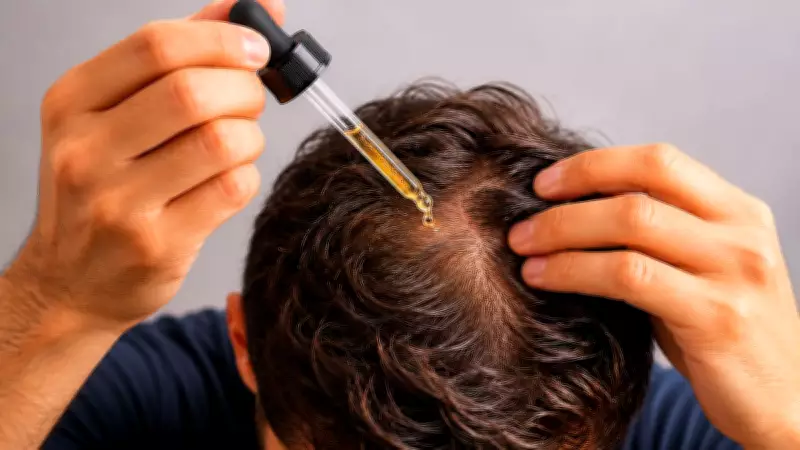
Finasteride is an oral medication that works by inhibiting the conversion of testosterone to dihydrotestosterone (DHT), a hormone that shrinks hair follicles. Minoxidil, available as a topical solution or foam, stimulates hair growth by increasing blood flow to follicles. Both are FDA-approved for androgenetic alopecia (male and female pattern baldness).
Potential Link to Depression and Anxiety
Reports of mood changes, including depression and anxiety, have been associated with finasteride use, particularly in a condition known as post-finasteride syndrome (PFS). However, the dermatologist emphasizes that large-scale studies have not established a definitive causal link. Some men have reported persistent sexual dysfunction, depression, and anxiety even after stopping the drug, but these cases are rare.

Minoxidil, on the other hand, is generally considered safe with minimal systemic side effects. Topical application limits absorption, and mood-related side effects are not commonly reported. However, some users may experience anxiety due to the stress of hair loss itself or the perceived lack of results.
What the Dermatologist Says
The dermatologist explains that the relationship between hair loss treatments and mental health is complex. Hair loss itself can cause significant psychological distress, leading to depression and anxiety. When patients start treatment, they may attribute pre-existing mood symptoms to the medication. The doctor advises that anyone experiencing severe mood changes while on finasteride should consult their healthcare provider, as dosage adjustments or alternative treatments may be considered.
For minoxidil, side effects are typically limited to scalp irritation or unwanted hair growth. The dermatologist notes that no strong evidence links minoxidil to depression or anxiety, but patients should still monitor their mental health.
Recommendations for Patients
Patients considering finasteride or minoxidil should have a thorough discussion with their dermatologist about potential risks and benefits. Those with a history of depression or anxiety may need closer monitoring. The dermatologist stresses that stopping medication abruptly is not advised; instead, patients should report any concerning symptoms promptly.
Alternative treatments, such as low-level laser therapy, platelet-rich plasma (PRP) injections, or hair transplant surgery, may be options for those who cannot tolerate finasteride or minoxidil.
In conclusion, while finasteride and minoxidil are effective for many, awareness of potential mental health side effects is important. The dermatologist encourages open communication between patients and doctors to ensure safe and effective treatment.