

FSSAI Intensifies Crackdown on Banned Fruit Ripening Agents Nationwide
The Food Safety and Standards Authority of India (FSSAI) has issued a critical directive to all states and Union Territories, mandating a significant escalation in inspections across fruit markets, mandis, and storage facilities. This urgent action comes amid growing concerns about the persistent use of prohibited and hazardous ripening agents, particularly calcium carbide, which poses severe health threats to consumers.
Strict Prohibition on Dangerous "Masala" Agent
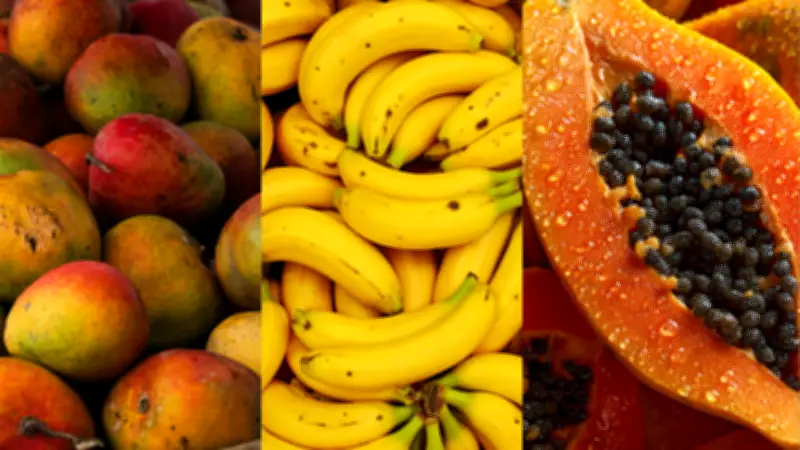
In its official communication released on Thursday, the national food regulator explicitly reiterated that calcium carbide—commonly known in local markets as "masala"—is strictly banned for the artificial ripening of fruits. This prohibition specifically applies to popular fruits such as mangoes, bananas, and papayas. The FSSAI emphasized that exposure to fruits ripened with calcium carbide can lead to serious health complications including vomiting, difficulty in swallowing, and the development of painful skin ulcers.
Persistent Enforcement Gaps and Hazardous Practices
Despite multiple advisories issued in previous years, enforcement challenges continue to plague implementation at the ground level. Regulatory officials have observed that certain food business operators (FBOs) are still engaging in dangerous practices. These include the direct application of banned substances to fruits or placing such chemicals in close proximity within storage areas, allowing toxic fumes to accelerate the ripening process.

Concerns Over Ethephon Solution Misuse
The authority has also raised alarms about another concerning practice: the misuse of ethephon solutions for fruit ripening. While ethylene gas is permitted as a safer alternative under strictly controlled conditions, the FSSAI has clarified that fruits must never come into direct contact with ethylene in liquid or powder form. Any deviation from the established safety protocols will be treated as a serious violation of food safety standards.
Targeted Inspection Strategy for Seasonal Fruits
States have now received specific instructions to conduct focused, targeted inspections, with particular attention to facilities storing seasonal fruits where malpractice is most prevalent. The enforcement drives will concentrate on detecting:
- Illegal ripening agents like calcium carbide
- Unauthorized wax coatings applied to fruits
- Synthetic colors used to artificially enhance the appearance of produce
Legal Implications and Detection Methods
Significantly, the FSSAI has clarified that the mere presence of calcium carbide on premises or near fruit stocks may be treated as circumstantial evidence. This provision empowers authorities to initiate prosecution under relevant sections of the Food Safety and Standards Act, 2006. To strengthen detection capabilities, officials have been authorized to employ strip paper tests that can identify acetylene gas—a clear indicator of calcium carbide use—in ripening chambers and warehouse facilities.
Preparing for Peak Fruit Season Vigilance
This comprehensive directive signals a determined push for stricter on-ground vigilance ahead of the approaching peak fruit season. During this period, consumer demand typically surges dramatically, creating increased incentives for unscrupulous operators to employ unsafe ripening practices. The FSSAI's proactive measures aim to protect public health while ensuring that India's fruit markets maintain the highest standards of safety and quality.
The regulatory body's intensified focus comes at a crucial time when seasonal fruits begin flooding markets across the country. By strengthening inspection protocols and enforcement mechanisms, authorities hope to create a more robust system that deters violations and ensures that consumers receive only safe, naturally ripened fruits free from harmful chemical contaminants.






