

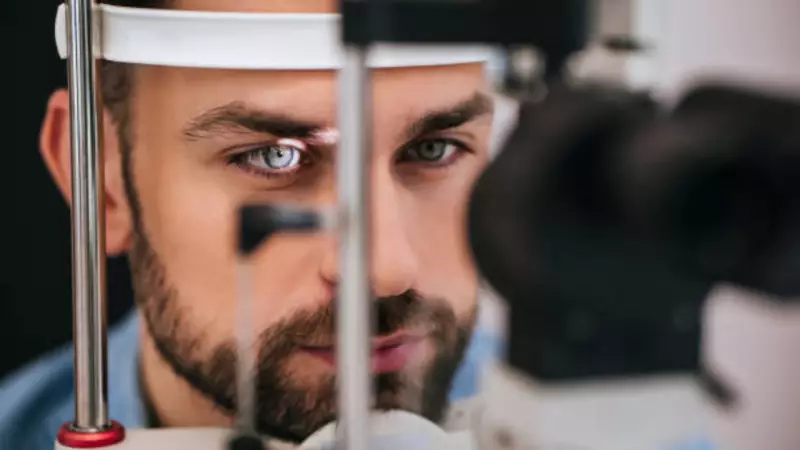
Glaucoma: The Silent Vision Thief Affects Millions Unaware
Glaucoma represents one of the most deceptive eye conditions affecting people worldwide. Many individuals remain completely unaware they have this disease until significant vision damage occurs. Global estimates reveal over 76 million people currently live with glaucoma. Experts project this number will surge to 111 million by 2040.
Shockingly, approximately half of those affected do not realize they have glaucoma. The early stages rarely produce noticeable symptoms. By the time someone observes vision changes like patchy areas or tunnel vision, the disease has often caused irreversible harm to the optic nerve.
The Indian Scenario: Widespread Yet Underdiagnosed
India faces a similar challenge with this silent eye disease. Studies indicate roughly 12 million Indians have glaucoma. Only a small fraction of these individuals know about their condition. While glaucoma becomes more common after age forty, it can strike younger people too.

Open-angle glaucoma stands as the most prevalent type. Medical professionals often call it the "silent thief of sight" because vision loss happens gradually and painlessly. Peripheral vision typically deteriorates first while central vision remains intact until late stages.
Dr. Hasnain Shikari, Consultant Ophthalmologist at Saifee Hospital, explains this phenomenon clearly. "Glaucoma often gets described as the sneak thief of sight because it can cause irreversible optic nerve damage without affecting vision initially. Many patients struggle to believe they can have perfect vision yet suffer from glaucoma."
Dr. Shikari emphasizes that daily activities like reading, using phones, and driving depend largely on central vision. Since glaucoma attacks peripheral vision first, the disease progresses silently and unnoticed.
Dr. Nairyosan Irani, Consultant Ophthalmologist at Ruby Hall Clinic, echoes this concern. He identifies the biggest danger as the assumption that "good vision" equals "healthy eyes." This misconception prevents many people from seeking timely eye examinations.
Risk Factors: Who Faces Greater Vulnerability?
Certain individuals without symptoms face higher glaucoma risk according to Dr. Shikari. These risk factors include:
- Increasing age, especially after forty years
- Family history of glaucoma
- Diabetes
- High minus power
- Thin corneas
Dr. Shikari highlights a particularly important and often overlooked risk factor: prolonged or unsupervised steroid use. Steroids may come as eye drops, tablets, inhalers, nasal sprays, or skin creams.
"In India, medical shop attendants sometimes dispense steroid eye drops without prescription for simple complaints like dry eye or redness," notes Dr. Shikari. "Such misuse can elevate eye pressure, potentially causing steroid-induced glaucoma and cataracts when used long-term without medical supervision."
Early Signs and Common Misconceptions
What early signs should people watch for even with seemingly fine eyesight? Dr. Shikari states that early glaucoma signs usually remain absent. Some individuals might experience vague symptoms like eye strain, mild headaches, or difficulty noticing side objects. However, these occur late and prove unreliable.
"The absence of symptoms does not mean the absence of disease," stresses Dr. Shikari. "This reality makes regular eye examinations absolutely essential."
Dr. Irani addresses several dangerous misconceptions people with perfect sight often hold about glaucoma:

- "I have 20/20 vision, so I'm safe": Central vision used for reading or seeing faces usually disappears last. You can maintain perfect 20/20 clarity while glaucoma eats away your peripheral vision.
- "Glaucoma only affects the elderly": While more common after forty, steroid-induced glaucoma can affect anyone including children and young adults using steroid medications.
- "I would feel it if my eye pressure was high": High intraocular pressure remains almost always painless. You cannot "feel" rising eye pressure any more than you can feel high blood pressure.
- "No family history means no risk": While genetics play a role, lifestyle factors—specifically prolonged steroid use—can trigger glaucoma in anyone.
Screening Guidelines: How Often Should You Get Checked?
Dr. Irani provides clear screening frequency recommendations based on age and risk factors:
- Under Age 40: Every 5 to 10 years
- Ages 40 to 54: Every 1 to 3 years
- Ages 55 to 64: Every 1 to 2 years
- Ages 65 and Older: Every 6 to 12 months
Dr. Irani establishes what he calls "The Steroid Rule": Chronic steroid users (employing inhalers, nasal sprays, or steroid creams for more than two weeks) should undergo a baseline eye exam immediately. Doctors will likely recommend follow-up checks every 3 to 6 months during medication use to monitor potential pressure spikes.
Both experts emphasize that glaucoma represents a preventable cause of blindness when detected early through regular screenings. They urge people not to equate good vision with healthy eyes, especially as they age or if they use steroid medications regularly.
