

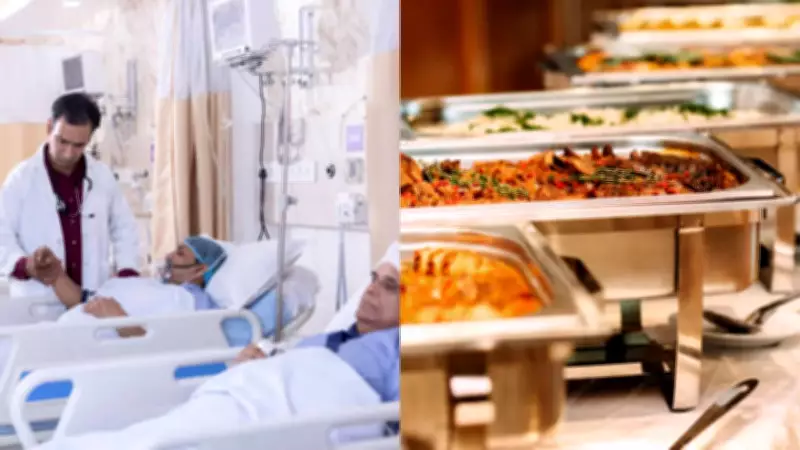
Mass Illness Strikes Gujarat Wedding, Food Safety Under Scrutiny
Wedding celebrations are traditionally joyous occasions where families and friends gather to share happiness and indulge in festive meals, often lovingly called 'Shaadi ka khana'. However, in a distressing turn of events, what should have been a day of merriment turned into a health crisis when over 400 attendees fell ill due to suspected food poisoning at a wedding in Gujarat's Dahod district. This incident has prompted urgent action from local authorities, who have launched a comprehensive investigation and deployed health teams to manage the situation.
Details of the Incident in Abhlod Village
According to reports from TOI, the alarming episode occurred in Abhlod village, where a large congregation had assembled for the wedding ceremony. Shortly after partaking in the wedding feast, numerous guests began experiencing severe symptoms including vomiting, nausea, intense stomach pain, and dizziness. In response, officials have swiftly collected food samples from the event and dispatched them to laboratories for detailed analysis. Additionally, authorities are meticulously examining the hygiene protocols followed during the food preparation and serving processes to identify any lapses that may have contributed to this outbreak.
FSSAI's Comprehensive Food Catering Guidelines
The Food Safety and Standards Authority of India (FSSAI) has established a robust food safety management system specifically for the catering sector. These guidelines are designed to assist food businesses, particularly small and medium enterprises, in ensuring critical safety measures are implemented throughout the supply chain—from manufacturing and packing to storage and transportation. For wedding catering, which falls under the 'other' sector category, the FSSAI classifies it as On-premise catering, covering functions, banquets, receptions, or events held at the establishment's physical premises.

Key Aspects of FSSAI Guidelines:
- Equipment and Containers: Must be made from durable, non-corrosive, and smooth materials that are non-toxic and easy to clean, ensuring they facilitate good hygiene practices and allow for regular monitoring and audits.
- Food Control and Monitoring Equipment: Equipment used for cooking, heating, cooling, or storing food should achieve required temperatures rapidly and maintain them effectively, with capabilities for temperature monitoring and control to prevent safety hazards.
- Facilities and Utilities: Potable water must be available for all food-related activities, with adequate supplies of hot and cold running water in preparation areas. Shared water sources require documented evidence of regular cleaning.
- Cleaning Procedures: Designated areas for washing raw produce and utensils are essential to prevent contamination, along with proper storage for cleaning materials away from food handling zones.
- Pre-Preparation and Preparation: Areas must be clean, well-lit, and ventilated, with segregation into dry and wet zones. High-risk foods like meat and dairy should be handled under controlled temperatures, and cooking equipment must include proper ventilation to avoid contaminants.
- Food Display and Service: Food portioning should occur in hygienic conditions using sanitized equipment, with separate tools for different food items to minimize cross-contamination risks.
This incident underscores the critical importance of adhering to these FSSAI standards to prevent such health emergencies, especially during large gatherings where food safety is paramount.






