

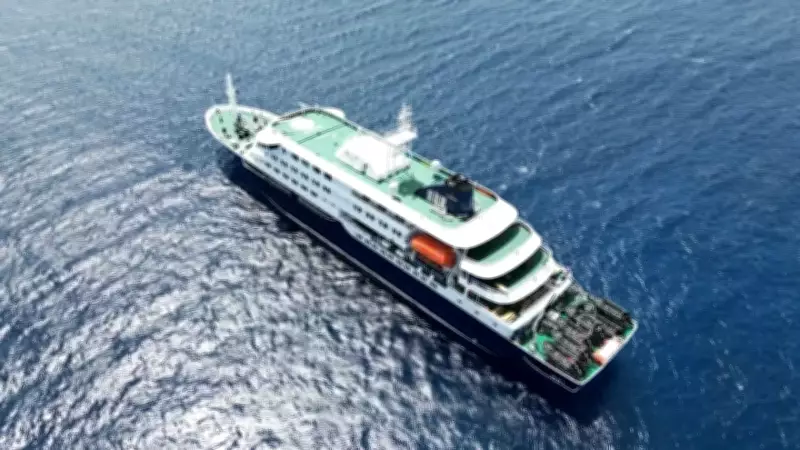
Picture this: You are on a dream voyage across some of the most remote waters on Earth, and one fine day, it turns into a chilling public health case study. The hantavirus outbreak on the MV Hondius cruise ship has become the kind of nightmare that public health officials dread. What makes it even more concerning is that the outbreak did not happen out of the blue; rather, it unfolded slowly at first, then all at once.
The Hantavirus Outbreak Timeline: What Happened, When, and How
For those unfamiliar, the Hondius departed from Ushuaia, Argentina, on April 1 with 149 people on board, cruising through remote Atlantic waters miles away from any hospital. Over the next month, the situation gradually escalated into a deadly crisis.
Early April: The First Signs
According to the Associated Press, health authorities now believe the earliest illness began around April 6. Just a few days into the voyage, a Dutch passenger reportedly started feeling off: mild fever, tiredness, nothing dramatic at first. No one suspected hantavirus initially, as the symptoms barely pointed to a rare zoonotic virus.

April 11: First Death on Board
However, things escalated quickly. By April 11, the man was dead from sudden, severe breathing problems. This marked the first death on board, and at the time, the cause of death was unclear.
Mid-April: More Cases Emerge
The ship carried on, but soon his wife and other passengers came down with similar symptoms, usually starting out mild and then turning suddenly dangerous. Between April 6 and April 28, several cases appeared, worrying the ship's medical staff.
Late April: Evacuations and Spread
As the days rolled on, evacuations started. At isolated stops like Saint Helena and Ascension Island, those who were critically ill were flown out for emergency care. A British passenger was sent to South Africa and placed straight into intensive care.
May 2: Another Death on Board
By May 2, as another passenger, this time from Germany, died on board, panic began to spread. At this point, multiple passengers were symptomatic.
Early May: WHO Steps In
By early May, things reached a breaking point. The World Health Organization (WHO) stepped in, confirming seven cases and three deaths by May 5. With the disease still mysterious, Cape Verde denied the ship, which was carrying passengers from over 20 countries, permission to dock. Passengers had to stay isolated in their cabins. Medical teams started testing and evacuating the sick, working right off the coast.
The Hantavirus Outbreak: What Was the Source?
Since the outbreak began, one pertinent question has persisted: Where did the outbreak start? According to the BBC, investigators believe the source traces back to South America. The Andes region is known for hantavirus, especially the rare Andes strain, which can spread between people (unlike most hantaviruses). The cruise's closed quarters and long, shared days together helped the virus quietly make its way from cabin to cabin.
More About Hantavirus: Spread, Symptoms, and Management
According to the Mayo Clinic, hantavirus usually comes from rodents. People get infected when they breathe in dust contaminated by rodent droppings, urine, or saliva. Bites are rare, but the Andes strain can also pass person-to-person, though that is not common. Cruise ships, with their tiny cabins and many shared spaces, unfortunately create perfect conditions if the virus gets on board.
What Are the Usual Symptoms?
Symptoms are sneaky. At first, hantavirus looks like a regular virus: fever, tired muscles, headaches, maybe an upset stomach. But then, sometimes just days later, things can crash. People struggle to breathe, their lungs fill with fluid, and organs start shutting down. Without quick, aggressive care, it can be deadly.

How Do We Prevent It?
Now, here is the tough part — there is no cure. Doctors can only support patients: oxygen, help with breathing, and round-the-clock monitoring. The faster they catch it, the better the odds. But when a virus like this stays hidden for weeks, it often wins. As soon as authorities realized what was happening, they acted to keep it contained. No docking. Everyone isolated. The most critical cases were evacuated from the ship. The rest, stuck at sea, waited while medical officers combed through cases. Thankfully, the WHO says this outbreak's risk to the wider public is still considered low, mainly because direct, close contact is needed for the virus to spread.





