

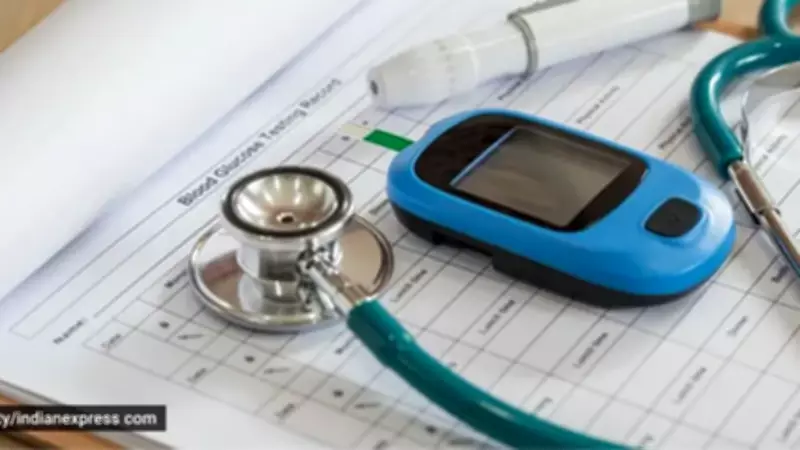
Rethinking Diabetes Diagnosis: Why HbA1c May Be Misleading for India's 101 Million Patients
A groundbreaking analysis published in The Lancet Regional Health: Southeast Asia has raised serious concerns about the accuracy of the widely used HbA1c test for diagnosing and managing diabetes in India. With the country often termed the 'diabetes capital' of the world, home to approximately 101 million people living with the condition, this revelation could have profound implications for public health strategies and individual patient care.
The 'Gold Standard' Under Scrutiny
The HbA1c test, or glycated haemoglobin test, has long been considered the benchmark for assessing long-term blood glucose control. It measures the percentage of haemoglobin—the protein in red blood cells that carries oxygen—that is coated with sugar over a two to three-month period. Established as a reliable method since 1976 and formally recommended for diagnosis in 2010, its convenience made it popular: no fasting is required, it offers stable pre-analysis conditions, and shows low variability within individuals.
Normal levels are below 5.7%, prediabetes ranges from 5.7% to 6.4%, and diabetes is diagnosed at 6.5% or higher. However, leading Indian diabetologists contributing to the Lancet paper argue that this 'one-size-fits-all' approach may be painting a distorted picture for the Indian population.

Why HbA1c Falls Short in the Indian Context
The core issue lies in the biological factors that influence HbA1c readings. Dr. Anoop Misra, Chairman of Fortis C-DOC Centre for Diabetes and a co-author of the study, explains, "HbA1c levels are heavily influenced by haemoglobin levels. Conditions like iron deficiency anaemia or G6PD deficiency, which alter haemoglobin or cause red blood cell breakdown, can skew results."
This is particularly critical in India, where anaemia is highly prevalent, and haemoglobinopathies such as thalassaemia and sickle cell disease are common in certain communities. Additionally, diseases like malaria can further disrupt haemoglobin stability. Dr. Shashank Joshi, a diabetologist at Lilavati Hospital and another author, emphasizes, "In Western populations with less variation, HbA1c works well. But in India's diverse health landscape, it may not provide an accurate snapshot."
The research reviewed multiple studies highlighting stark discrepancies:
- A study of 1,120 individuals in south India found the oral glucose tolerance test (OGTT) identified prediabetes in 87.8% of cases, compared to just 45.4% with HbA1c, with minimal overlap between the two methods.
- Conversely, research involving 116 young adults in Pune showed HbA1c detected prediabetes in 23.3% of participants, versus only 7.8% via OGTT.
These variations stem from differences in red blood cell lifespan, concentration, and glucose-coating mechanisms, which are not uniformly accounted for in standard HbA1c interpretation.
Alternative Approaches for Accurate Diagnosis and Management
In light of these findings, experts are advocating for a multi-faceted approach to blood glucose assessment. The paper strongly recommends supplementing or replacing HbA1c with more reliable methods:
- Oral Glucose Tolerance Test (OGTT): This test, which measures blood sugar before and after consuming a glucose-rich drink, is highlighted as a superior tool for initial diagnosis, especially in populations with high anaemia rates.
- Self-Monitoring of Blood Glucose: Regular at-home testing using glucometers can provide real-time insights. Dr. Misra notes, "If a person checks their levels two or three times a week over time, we can track control effectively without relying solely on HbA1c."
- Continuous Glucose Monitoring (CGM): Advanced devices that offer ongoing glucose readings throughout the day and night are emerging as a gold standard for management, providing a comprehensive view of glycemic patterns.
The implications are vast: inaccurate HbA1c readings could lead to underdiagnosis of prediabetes, delaying crucial interventions, or mismanagement of existing diabetes, increasing risks of complications like heart disease, kidney failure, and neuropathy.

A Call for Personalized Diabetes Care
This Lancet analysis serves as a wake-up call for healthcare providers and policymakers. With India's diabetes burden projected to rise, ensuring accurate diagnostic tools is paramount. The study does not condemn the HbA1c test outright but urges context-aware application. In regions or individuals with conditions affecting haemoglobin, alternative methods should be prioritized to avoid diagnostic errors.
As the global medical community re-evaluates standards, this research underscores the need for personalized, population-specific strategies in diabetes care. Moving forward, integrating OGTT, self-monitoring, and CGM into routine practice could enhance early detection, improve management outcomes, and ultimately mitigate the growing diabetes epidemic in India and similar demographics worldwide.





