

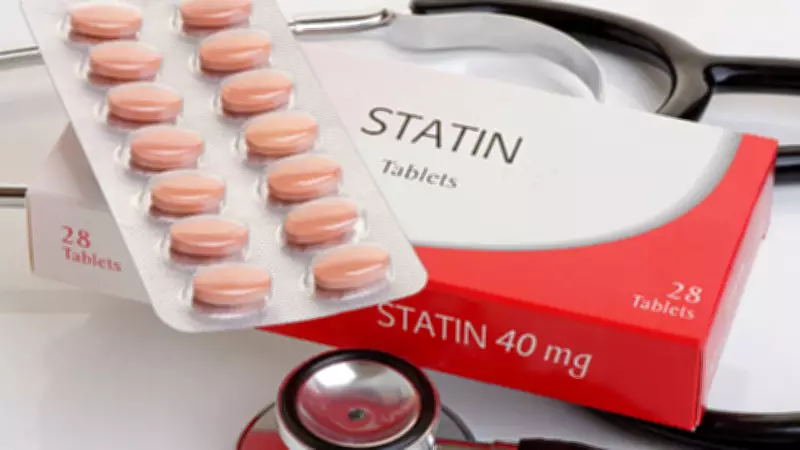
Major Lancet Study Reaffirms Statin Safety and Effectiveness
For millions managing high cholesterol, heart disease, or previous heart attacks, statin medications like atorvastatin and rosuvastatin have become essential daily companions. These drugs are typically taken at night alongside routine activities like brushing teeth or setting alarms, quietly integrating into the lives of patients worldwide.
The Widespread Prescription of Statins
The prevalence of statins stems from their proven effectiveness. These medications significantly reduce "bad" LDL cholesterol levels and substantially lower the risk of heart attacks and strokes. For individuals at elevated cardiovascular risk, statins can be genuinely life-saving interventions. Medical professionals approach statin prescriptions with careful consideration, but once initiated, many patients continue these medications for extended periods due to their demonstrated benefits.
Addressing Common Concerns About Side Effects
Patient concerns frequently center around potential side effects, with muscle discomfort, fatigue, and liver damage fears dominating conversations. However, recent research published in The Lancet provides substantial reassurance about statin safety.

Researchers conducted an exhaustive analysis of official drug documentation for five common statins—atorvastatin, fluvastatin, pravastatin, rosuvastatin, and simvastatin—compiling comprehensive lists of all possible adverse effects mentioned. They then examined data from large-scale, high-quality double-blind randomized controlled trials involving over 120,000 participants comparing statins against placebos.
Reassuring Findings from Comprehensive Research
The study findings are remarkably reassuring. Beyond muscle-related symptoms and a modest increase in diabetes risk, most commonly feared side effects showed no causal connection to statin medications. Conditions including sleep disturbances, memory impairment, depression, and sexual dysfunction occurred no more frequently among statin users than placebo recipients.
Even liver concerns, while slightly elevated at extremely high doses, typically manifested as mild, non-dangerous changes. Minor observations like urinary protein alterations and mild edema appeared in some cases, though their clinical significance remains uncertain.
The Critical Importance of Medication Adherence
These findings carry significant public health implications. Many patients discontinue statin therapy due to unfounded fears about side effects. In the United Kingdom alone, misleading media coverage prompted over 200,000 patients to abandon statin medications within just six months, potentially resulting in thousands of preventable heart attacks and strokes.
"Statins have an excellent safety record for the vast majority of people, with decades of solid clinical data demonstrating that cardiovascular benefits far exceed potential risks," explains Dr. Binay Kumar Pandey, Director and Head of Interventional Cardiology and Electrophysiology at Yatharth Super Speciality Hospital in Faridabad.
"Larger clinical studies have established that for every small number of serious adverse events, statins will prevent hundreds of heart attacks and strokes. Consequently, statins represent one of today's most effective preventive medications."
Expert Perspectives on Statin Therapy
Dr. Pandey further clarifies: "Research consistently shows most individuals experience relatively few true side effects with statins. Many symptoms like muscle pain and fatigue occur at similar rates among placebo recipients. Serious side effects remain uncommon, with most being mild, manageable, and reversible."
Dr. Vivek Kumar, Director of Interventional Cardiology and Head of the Structural Heart Program at Max Super Speciality Hospital in Vaishali, echoes this perspective: "Statins are generally regarded as safe for most people, prescribed globally for years to substantially reduce heart attack and stroke risks. Large clinical trials demonstrate serious side effects are rare, with most patients tolerating statins well."

Regarding specific concerns, Dr. Kumar notes: "While muscle pain receives significant attention, actual muscle-related side effects affect less than 5% of statin users. Most side effects like mild diarrhea, headaches, or temporary liver enzyme elevations are transient. For the majority, statins' heart-protective effects far outweigh potential risks."
Global Impact and Future Implications
The researchers emphasize statins' global significance: "Statin therapy has been used by hundreds of millions worldwide over thirty years, contributing substantially to age-specific reductions in global cardiovascular disease mortality and morbidity. While safety concerns have been raised about multiple organ systems, our analysis provides crucial clarification."
This comprehensive Lancet study reinforces that statins remain cornerstone medications for cardiovascular prevention. Their proven ability to save lives through heart attack and stroke reduction continues to outweigh minimal risks for the overwhelming majority of patients.





