

The Unseen Onset of Parkinson's Disease
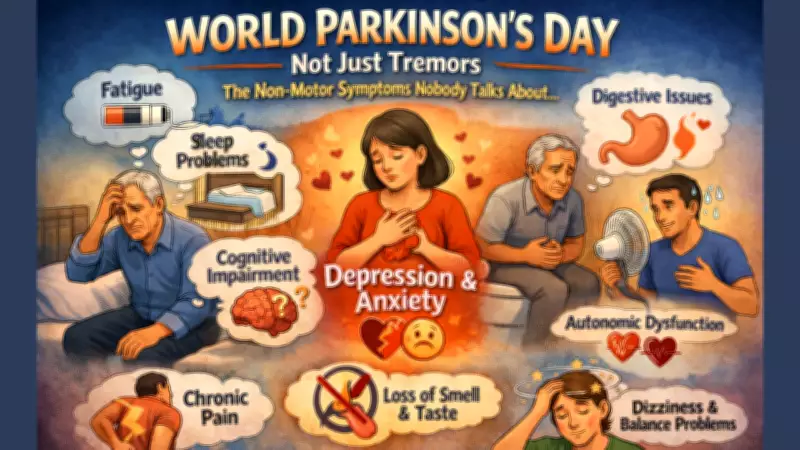
When most people think of Parkinson's disease, the immediate mental image involves shaking hands, slow movement, stiffness, and visible tremors. These are the classic motor symptoms that have become synonymous with the condition in public consciousness. However, a crucial and often overlooked aspect of Parkinson's involves what happens long before those tremors ever manifest.
The Quiet Warning Signs That Precede Tremors
Dr. Suresh Babu P, Head of Neurology at Arete Hospitals, has dedicated years to observing patients navigate this challenging diagnosis. "When people think of Parkinson's disease, tremors are usually the first thing that comes to mind," he explains. "But in clinical practice, what often affects day-to-day life just as much, sometimes even earlier, are the non-motor symptoms. These tend to be quieter, less obvious, and frequently overlooked."
This represents a significant gap in public understanding of Parkinson's disease. While society focuses predominantly on the visible shaking, the true burden of the condition often emerges through entirely different pathways that can begin months or even years before motor symptoms become apparent.

The First Subtle Indicator: Diminished Sense of Smell
For many individuals who eventually receive a Parkinson's diagnosis, one of the earliest changes involves a reduced sense of smell. This symptom typically appears so gradually and seems so minor that it rarely gets connected to neurological concerns at the time. People commonly attribute it to sinus issues, allergies, or simply aging.
"A reduced sense of smell is one of the earlier changes some individuals experience," Dr. Babu notes. "It doesn't always stand out immediately, and many people only recognise it in hindsight. Because it seems minor, it's rarely connected to something neurological at the time."
This matters profoundly because that loss of smell represents your brain sending an early warning signal about changes occurring within your nervous system. Without awareness of this potential connection, it becomes just another vague complaint that gets dismissed or attributed to unrelated causes.
Sleep Disturbances That Defy Rest
Another early indicator involves significant changes in sleep patterns. Individuals may maintain their usual bedtime routines and spend eight hours in bed, yet wake up feeling completely unrested. "Sleep can get affected, though it's not always discussed," Dr. Babu explains. "Some people have difficulty falling asleep, wake up frequently, or act out their dreams. In some cases, bed partners notice movements or vocalisations before the individual does. Over time, poor sleep can add to fatigue and affect overall functioning."
Those experiencing these sleep disturbances typically don't connect them to Parkinson's disease. They attribute the problems to stress, aging, or environmental factors, trying solutions like new mattresses or sleeping pills while the underlying neurological issue continues to develop.
Mood Changes That Creep In Gradually
Perhaps the most insidious early symptoms involve subtle mood alterations. Rather than dramatic depression that prevents daily functioning, these changes manifest as decreased motivation, diminished joy in previously enjoyable activities, increased anxiety about routine matters, and more frequent irritability.
Research indicates that depression and anxiety affect between 35% and 45% of people with Parkinson's disease, with these symptoms often appearing before tremors ever manifest. "Some people notice low mood, anxiety, or just less motivation early on," Dr. Babu says. "It's often blamed on stress or getting older, rather than something neurological. What's important to recognise is that these symptoms can be part of the disease process itself, not just a reaction to it."
The Accumulation of Additional Symptoms
Beyond these primary early indicators, Parkinson's disease can present through various other non-motor symptoms that collectively form a concerning pattern:

- Persistent constipation that becomes stubborn and difficult to manage
- Deep fatigue that doesn't improve with rest, creating exhaustion that makes simple tasks feel overwhelming
- Blood pressure drops when standing, causing dizziness and lightheadedness
- Quieter voice and reduced facial expressiveness
- Cognitive slowing that makes multitasking difficult and concentration more effortful
"Digestive changes, particularly constipation, are very common," Dr. Babu notes. "This is related to how Parkinson's affects the nervous system beyond the brain, including the gut. Because it's such a common issue in general, it's often managed in isolation without looking at the broader picture."
Why Early Recognition Matters
One might question whether recognizing these non-motor symptoms earlier actually changes outcomes if diagnosis typically occurs when tremors appear anyway. The answer lies in comprehensive understanding and management of the condition.
"Parkinson's is not just a movement disorder," Dr. Babu emphasizes. "It affects multiple systems, often in ways that are easy to overlook—but important to understand."
World Parkinson's Day aims to raise awareness about this condition, but true awareness must extend beyond tremors and slow movement to encompass the full spectrum of symptoms that affect patients' lives. Recognizing these early, non-motor indicators allows for earlier intervention, better symptom management, and improved quality of life for those living with Parkinson's disease.
The medical insights in this article were provided by Dr. Suresh Babu P, Head of Neurology at Arete Hospitals, who shared expert knowledge about Parkinson's disease symptoms and their progression beyond the commonly recognized tremors.





