

Seismic Threat Looms Large Over Himachal Pradesh
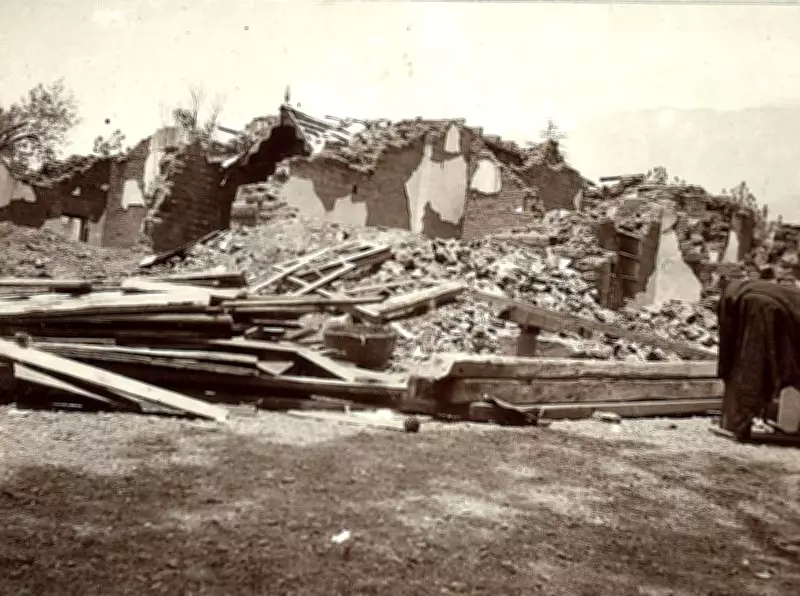
The terrifying legacy of the April 4, 1905 Kangra earthquake, which resulted in the tragic loss of 20,000 lives, may be over a century old, but the seismic danger facing Himachal Pradesh today is no less severe. The state is grappling with an increasing frequency of landslides, cloudbursts, and seismic vulnerabilities, making it highly prone to natural disasters. This situation underscores an urgent need for robust mitigation measures, especially given that many parts of Himachal fall within the high earthquake-prone Zone V.
Revised Seismic Zoning and Its Implications
In November 2025, the Bureau of Indian Standards (BIS) issued a revised seismic zoning that placed all Himalayan states, including Himachal Pradesh, in the highest earthquake-risk category of Zone V. Although this revision was later withdrawn, the underlying vulnerability remains unchanged. The earlier zoning, which classified areas like Kangra, Chamba, Mandi, and Kullu in hazardous Zone V and the rest of the state in Zone IV, makes it imperative to enforce strict construction practices to ensure structural stability.
The primary objective of revising the seismic zone map was to promote earthquake-resistant design and construction across the country. This need is amplified by the fact that Himachal has experienced more than 400 tremors, some reaching up to magnitude 3 on the Richter scale, making the threat very real and immediate.

A Wake-Up Call for Stricter Building Codes
Despite the withdrawal of the revised zoning, the recognition that all Himalayan states are highly vulnerable to earthquakes should serve as a critical wake-up call for Himachal Pradesh. There is a pressing need to implement stricter building codes and shift towards earthquake-resistant construction practices, particularly in hilly areas where haphazard construction on steep slopes often violates established norms.
DC Rana, Director-cum-Special Secretary of Revenue and Disaster Management, emphasizes that the state has taken several initiatives in response to this vulnerability. "The Town and Country Planning Act was amended to incorporate vulnerability and hazard factors into every development project," he states. The focus is now on retrofitting old lifeline and critical buildings, along with enhancing preparedness through training and awareness programs down to the panchayat level.
Expert Insights on Geological Risks
The Centre withdrew the revised seismic zoning due to its far-reaching implications on the technical and financial viability of public infrastructure projects. An official order noted the necessity for a holistic review, taking into account stakeholder perspectives from various infrastructure ministries.
LN Aggarwal, former Director of the Geological Survey of India (GSI), acknowledges the high-risk factor and stresses the urgent need for stricter building norms and geological evaluations before constructing multi-storied structures. "It is essential to conduct structural audits of schools, hospitals, and other critical infrastructures, and to prepare administrative machinery to handle potential high-intensity ground shaking," he advises.
Sanjay Kumbhkarni, a retired Senior Geologist from the GSI, explains that the revised seismic hazard map acknowledges what geology has long indicated: the Himalayan region sits atop an active collision zone between the Indian Plate and the Eurasian Plate. "The implication is simple but sobering—major earthquakes remain a real possibility across the state," he says. He advocates for rigorous seismic audits, stricter earthquake-resistant construction norms, careful land-use planning, and retrofitting of vulnerable structures as unavoidable measures.
Rural Areas at Greatest Risk
Concerns are mounting over haphazard and unregulated construction activities in popular hill towns such as Shimla, Kullu-Manali, Dharamsala-McLeodganj, and Kasauli-Solan. These areas could face severe risks to life and property in the event of major tremors.

Even more alarming is the situation in rural areas, where few construction restrictions exist. Unprecedented construction activity, including hotels, educational institutions, and health facilities, is underway, creating a perfect recipe for disaster during an earthquake. Unauthorized construction persists in many parts of the state due to lax monitoring and non-adherence to the Town and Country Planning Act, 1977, further heightening vulnerability.
The state government's decision to permit vertical construction of 13 to 20 storeys, depending on terrain, has faced widespread criticism from environmentalists and concerned citizens. This move raises additional safety concerns in an already high-risk seismic zone.
Conclusion: A Call for Prudence and Preparedness
The horrifying images from the 1905 Kangra earthquake serve as a stark reminder that the threat is ever-present. Enforcing earthquake-resistant construction norms, even if it entails significant financial costs, is crucial to minimizing loss of life and property. As experts emphasize, the new classification is less a cause for alarm and more a call for prudence: to build wiser, plan better, and prepare collectively for the realities of living in the dynamic and restless Himalayan region.





