

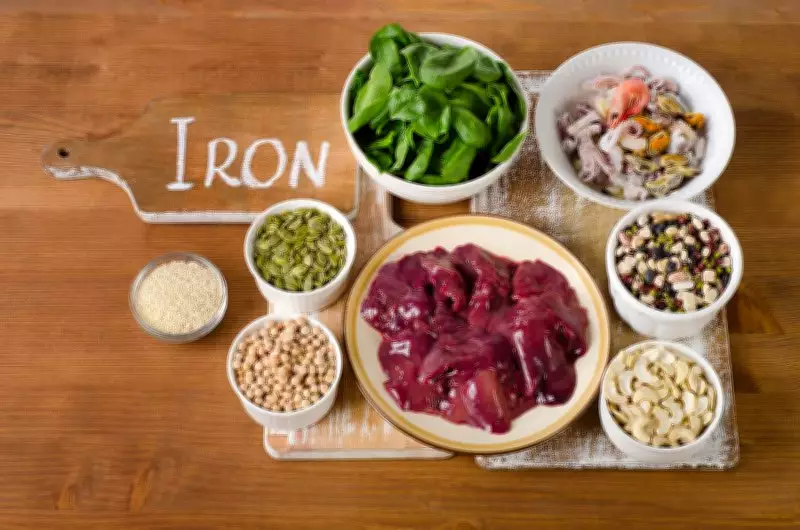
Iron deficiency is a common concern among women, often leading to fatigue, weakness, and other health issues. Being an 'iron woman' isn't just about physical strength—it's about maintaining optimal iron levels for overall well-being. Here are essential tips to help women boost their iron intake and prevent deficiency.
Understanding Iron Needs in Women
Women require more iron than men due to menstruation, pregnancy, and breastfeeding. The recommended daily intake varies: 18 mg for adult women, 27 mg during pregnancy, and 9 mg while nursing. However, many women fall short, leading to iron deficiency anemia.
Dietary Sources of Iron
Iron comes in two forms: heme (from animal sources) and non-heme (from plants). Heme iron is absorbed more efficiently. Key sources include:

- Red meat, poultry, and fish for heme iron
- Spinach, lentils, beans, and fortified cereals for non-heme iron
- Vitamin C-rich foods like citrus fruits, bell peppers, and tomatoes to enhance absorption
Tips to Improve Iron Absorption
To maximize iron uptake, pair iron-rich foods with vitamin C. Avoid drinking tea or coffee with meals, as tannins can inhibit absorption. Cooking in cast-iron pans can also add a small amount of iron to your food.
When Diet Isn't Enough: Supplementation
For some women, diet alone may not meet iron needs. Supplements can help, but it's crucial to consult a doctor before starting. Iron supplements can cause side effects like constipation or nausea. Taking them with vitamin C or on an empty stomach can improve absorption, but may increase discomfort. Slow-release formulas are gentler on the stomach.
Recognizing Iron Deficiency Symptoms
Common signs include fatigue, pale skin, shortness of breath, dizziness, and brittle nails. If you experience these, get a blood test to check your ferritin and hemoglobin levels. Early detection prevents complications.
Lifestyle Changes for Better Iron Levels
Regular exercise can improve circulation and energy, but intense workouts may increase iron loss through sweat and red blood cell breakdown. Balance activity with adequate rest. Manage stress, as chronic stress can affect nutrient absorption. Ensure you're getting enough sleep to support overall health.
Special Considerations for Athletes
Athletic women, especially endurance athletes, are at higher risk for iron deficiency due to increased demands and losses. They should monitor iron levels regularly and consider a diet rich in iron. Some may benefit from periodic supplementation under medical guidance.
By incorporating these strategies, women can maintain healthy iron levels, boost energy, and reduce the risk of anemia. Remember, small dietary and lifestyle changes can make a big difference. Always consult a healthcare professional before making significant changes to your diet or supplement regimen.






