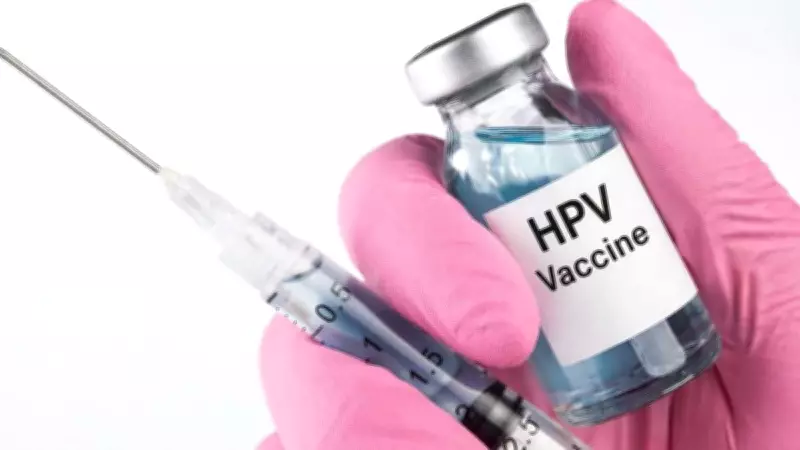
India's Strategic Move: HPV Vaccine for Girls to Combat Cervical Cancer
In a significant public health development, India is gearing up to introduce the Human Papillomavirus (HPV) vaccine for girls, with a targeted rollout planned by 2026. This initiative marks a crucial step in the nation's fight against cervical cancer, which remains a leading cause of cancer-related deaths among women in the country. The vaccine is specifically designed to protect against HPV infections, which are the primary cause of cervical cancer, thereby aiming to reduce the disease burden through proactive immunization.
Target Age Group and Implementation Strategy
The vaccination program will focus on girls aged 9 to 14 years, aligning with global health recommendations for optimal protection before potential exposure to the virus. This age group has been selected based on extensive research indicating that immunization during pre-adolescence or early adolescence provides the highest efficacy in preventing HPV infections and subsequent cervical cancer. The rollout is part of a broader national health strategy to enhance preventive care and reduce healthcare costs associated with cancer treatment.
Authorities are developing a comprehensive implementation plan to ensure widespread access and coverage across urban and rural areas. This includes training healthcare workers, establishing vaccination centers, and conducting awareness campaigns to educate parents and communities about the vaccine's benefits and safety. The goal is to integrate the HPV vaccine into the existing immunization schedule, making it a routine part of adolescent healthcare in India.

Public Health Impact and Challenges
The introduction of the HPV vaccine is expected to have a profound impact on public health by significantly lowering the incidence of cervical cancer over time. Studies from other countries that have implemented similar programs show a notable reduction in HPV infections and precancerous lesions among vaccinated populations. In India, where cervical cancer accounts for a substantial portion of cancer cases in women, this initiative could save thousands of lives and improve overall women's health outcomes.
However, challenges such as vaccine hesitancy, logistical issues in remote regions, and funding constraints must be addressed to ensure the program's success. Health officials are working on strategies to overcome these obstacles, including partnerships with international organizations and leveraging digital tools for monitoring and evaluation. By 2026, the aim is to achieve high vaccination coverage, contributing to global efforts to eliminate cervical cancer as a public health problem.
Key Points:
- The HPV vaccine targets girls aged 9-14 years for maximum effectiveness.
- Rollout is scheduled for 2026 as part of India's national health strategy.
- The vaccine prevents HPV infections, reducing cervical cancer risk.
- Implementation includes awareness campaigns and healthcare worker training.
- Challenges include vaccine hesitancy and logistical hurdles in rural areas.
This initiative underscores India's commitment to advancing women's health through evidence-based interventions. As preparations continue, it represents a hopeful milestone in the ongoing battle against cervical cancer, with the potential to transform health outcomes for future generations of women in the country.