

India Emerges as Global Hotspot for Gallbladder Stones and Cancers
Medical experts are raising urgent alarms as India has become a global hotspot for gallbladder stones and the associated cancers linked to this condition. In response to this escalating health crisis, the Postgraduate Institute of Medical Education and Research (PGI) in Chandigarh has announced a dedicated walk-in screening programme aimed at early detection and prevention.
Staggering Gender Disparity in Gallbladder Health
Statistics reveal a profound gender disparity in gallbladder health across India. Out of every four patients diagnosed with gallstones, three are women. Community surveys further indicate that approximately 10% of women between the ages of 40 and 60 are currently living with gallstones, highlighting a significant public health concern.
Biological and Hormonal Factors Driving the Crisis
Doctors point to biological and hormonal factors as the primary drivers behind this gender imbalance. "The gallbladder contains receptors for oestrogen and progesterone. These hormones can impair the organ's ability to pump effectively," explained Prof Usha Dutta, head of the gastroenterology department at PGI.

During pregnancy, the gallbladder often enters what experts call "static mode," which significantly increases the risk of stone formation. "Traditional postpartum diets high in fats like ghee, combined with low protein intake, can prevent the gallbladder from contracting properly, leading to further stone development," Prof Dutta added.
The Silent Danger of Asymptomatic Gallstones
The most dangerous aspect of this condition is its asymptomatic nature. Roughly 80% of gallstones are "silent" and are typically discovered only during routine ultrasounds. However, these silent stones represent a ticking time bomb for patients.
"Within 20 years, approximately 20% of asymptomatic patients will develop painful symptoms or life-threatening complications," warned Prof Dutta. "These stones can slip into the bile duct, causing jaundice, fever, or pancreatitis—a condition so severe it often requires ICU admission."
High Costs of Delayed Treatment
Delaying treatment until an emergency arises is not only dangerous but also extremely expensive. Interventions for stones that migrate into the bile duct require specialised endoscopy procedures and high-level medical expertise, with costs potentially reaching upwards of Rs 2,50,000.
In contrast, early screening allows doctors to categorise patients into high-risk or low-risk groups and plan managed care or elective cholecystectomy (gallbladder removal) procedures that are both safer and more cost-effective.
PGI's Free Screening Initiative
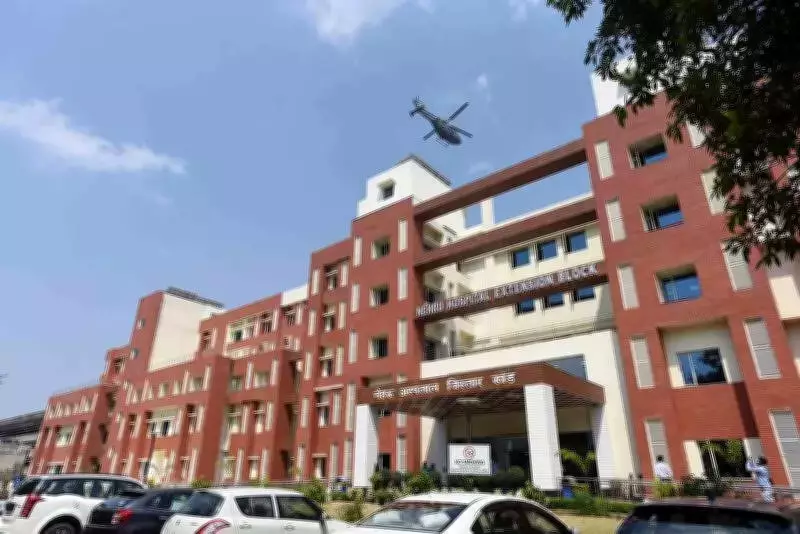
To address this growing health threat, PGI is offering free voluntary ultrasound screening under an ICMR project. The screening is available every Tuesday from 9am until 11am at Room No 25, F-block, Ground Floor, Nehru Hospital.
Key details about the screening programme:
- Contact the gallbladder helpline at 8427272233 for appointments
- Overnight fasting is required before screening
- This is a walk-in service that requires no OPD card or registration
This proactive approach by PGI represents a crucial step in combating India's gallbladder health crisis through early detection and preventive care strategies.






