NEW DELHI: A recent National Health Accounts (NHA) report for 2022-23, released by the Union health ministry, reveals that Indians spent more than Rs 1.6 lakh crore on medicines, making drugs one of the largest components of healthcare expenditure in the country.
Breakdown of Medicine Expenditure
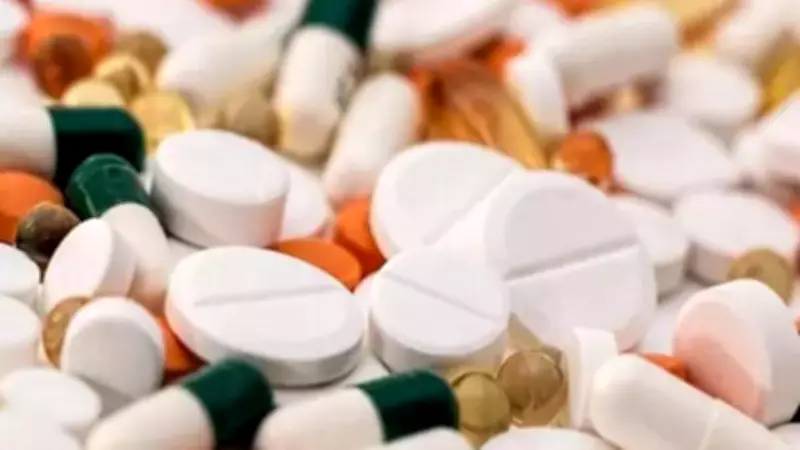
The report highlights that expenditure on prescribed medicines alone crossed Rs 1.3 lakh crore. Additionally, another Rs 26,670 crore was spent on medicines purchased without prescriptions. Combined, spending on medicines exceeded Rs 1.6 lakh crore, accounting for roughly one-fifth of India's total healthcare spending.
Hospital Admissions Dominate Health Spending
Hospital admissions and inpatient treatment accounted for the largest share of current health expenditure at Rs 2.9 lakh crore, representing 37.6% of the total. Spending on medicines followed at 21%, while outpatient treatment accounted for Rs 1.4 lakh crore, or 18.7% of the total. Together, these three categories constituted 77.3% of current health expenditure.

The findings come even as India has recorded a steady decline in out-of-pocket expenditure as a share of total health spending over the past decade.
Impact on Households
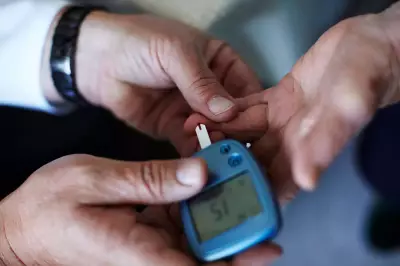
Health experts note that medicine costs remain a major contributor to household healthcare expenses, particularly for patients living with chronic conditions such as diabetes, hypertension, heart disease, and cancer. These conditions require long-term treatment and regular drug purchases, making medicines a recurring financial burden.
Public health experts emphasize that medicines continue to represent a significant recurring expense for many families, especially those managing chronic illnesses that require lifelong treatment.
About the Author: Anuja Jaiswal is a Senior Assistant Editor at The Times of India, with an impressive 18-year career in narrative journalism. She specializes in health and heritage reporting, expertly simplifying complex health information to make it engaging and understandable for readers.