

India's Economic Prosperity Overshadowed by Severe Urban Water Contamination Crisis
As India continues its trajectory toward becoming a global economic powerhouse, a stark and alarming contradiction is emerging in its urban centers. The nation's wealth is growing, yet the fundamental livability of its cities is being severely compromised by a deep-seated infrastructure crisis. This issue has now manifested in a dire public health emergency, directly linked to the aging and failing systems that underpin urban life.
Recorded Illnesses Reveal Tip of the Iceberg in National Health Scandal
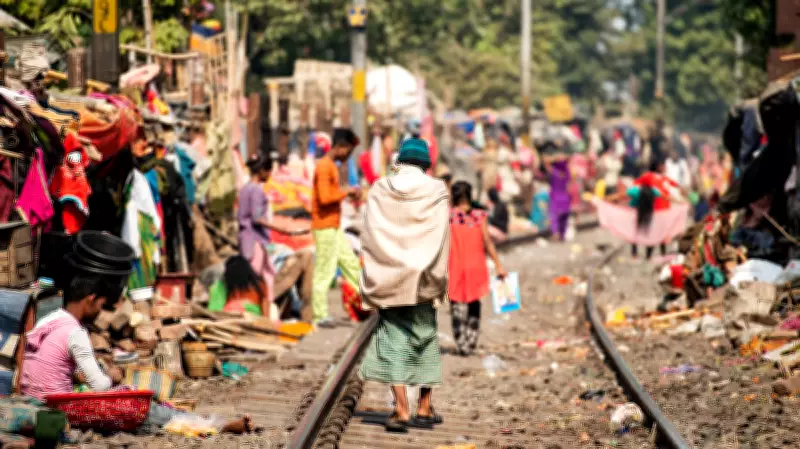
Official data has exposed a troubling reality: in the last year alone, a minimum of 5,500 individuals across 26 different Indian cities fell ill due to consuming water contaminated by raw sewage. This contamination is a direct consequence of faulty, decades-old pipeline networks that have deteriorated beyond their operational lifespan. Crucially, health experts and civic activists warn that this figure represents only the cases that have been formally recorded and reported to authorities. The actual number of affected residents is believed to be significantly higher, potentially numbering in the tens of thousands, as many incidents go unreported in both rural fringes and overcrowded urban slums.
The Root Cause: Crumbling Infrastructure from a Bygone Era
The core of this public health disaster lies in the neglected state of urban sewage and water supply infrastructure. Many of the pipelines currently in use were installed several decades ago and were designed for populations and usage levels far below today's explosive urban growth. These systems are now plagued by:

- Chronic leaks and cracks that allow untreated sewage to seep into drinking water lines.
- Inadequate maintenance and upgrade cycles, leading to systemic failures.
- Overwhelmed capacity due to unplanned urban expansion and population density.
This infrastructure deficit creates a perfect storm where economic progress is undermined by a failure to provide basic, safe living conditions for millions of urban dwellers.
A Nationwide Urban Livability Challenge
The crisis is not isolated to a single region but is a pan-Indian urban phenomenon. The affected 26 cities span various states and union territories, indicating a widespread governance and planning failure. This situation starkly highlights the gap between India's macroeconomic achievements and the micro-level quality of life for its citizens. Residents in these cities face a daily gamble with their health, unsure if the water flowing from their taps is safe or a carrier of waterborne diseases like cholera, typhoid, and severe gastroenteritis.
The contamination events have triggered urgent calls from public health professionals for comprehensive, nationwide audits of water and sewage systems. They emphasize that without massive investment in modernizing this critical infrastructure, India's urban centers risk recurring health epidemics that could stifle productivity, increase healthcare burdens, and tarnish the nation's development narrative. The recorded 5,500 illnesses serve as a critical warning signal that the country's urban foundations are in urgent need of reinforcement to match its economic ambitions.






