

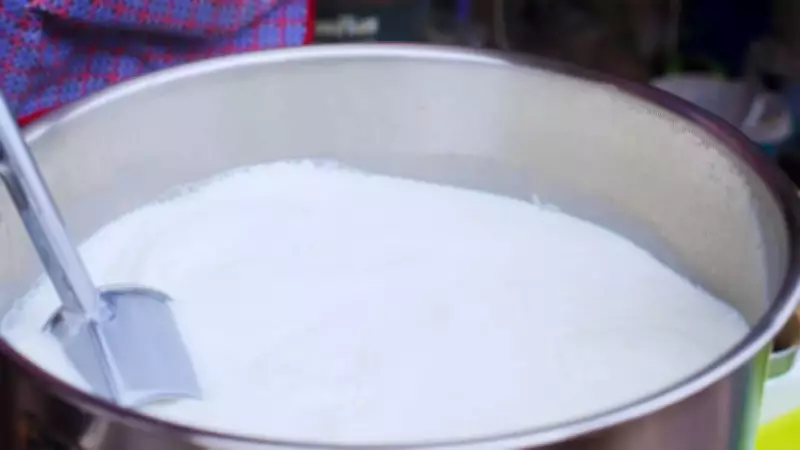
India's Unrivaled Position in Global Milk Production
India stands as the world's largest producer of milk, contributing an impressive 24–25% of global production. This dairy giant has cemented milk as an indispensable component of the staple Indian diet, woven into daily consumption and celebratory feasts alike. Despite its culinary indulgence, milk faces scrutiny in contemporary debates over side effects, the harms of dairy consumption by adults, and rising lactose intolerance. Yet, completely shunning milk remains a challenge, given its deep-rooted significance in Indian culinary culture.
The Evolution of Milk Supply: From Milkmen to Commercial Giants
Historically, milk was directly supplied to homes by milkmen, with households boiling it thoroughly before consumption. The White Revolution marked a transformative era, spurring a massive rise in milk production. This shift led to the emergence of dairy giants and local milk federations, which began producing milk and milk products on a commercial scale. Today, pasteurized milk delivered in plastic packets has become the norm across Indian households.
Understanding Pasteurized Milk: Safety and Process
Pasteurized milk is regular milk heated to a specific temperature to eliminate harmful bacteria and pathogens, enhancing safety and extending shelf life. Named after French scientist Louis Pasteur, this process typically uses the high-temperature short-time (HTST) method, where milk is rapidly heated and cooled. Unlike raw milk, pasteurization targets dangerous pathogens such as E. coli, Salmonella, Listeria, and those causing tuberculosis or brucellosis, without fully sterilizing the milk—it preserves beneficial bacteria and does not kill all spores. This method dramatically reduces foodborne illness risks while largely maintaining nutritional value, including vitamins and proteins, though some heat-sensitive nutrients like B12 may slightly decrease. The taste of pasteurized milk is often milder compared to raw milk.

Raw Milk: The Unprocessed Alternative
Raw milk is fresh milk obtained directly from animals like cows, goats, or sheep, without undergoing pasteurization. It remains unprocessed and is commonly supplied in Indian homes by cattle owners, retaining its natural state but carrying higher risks of bacterial contamination.
Should You Boil Pasteurized Milk? A Scientific and Cultural Perspective
The FDA confirms that pasteurization effectively destroys harmful bacteria, making pasteurized milk safe for consumption without additional boiling. Boiling such milk is unnecessary and does not enhance safety, though it does not significantly alter nutritional value. However, a study published in the National Library of Medicine, titled "Effect of Heat Pasteurization and Sterilization on Milk Safety, Composition, Sensory Properties, and Nutritional Quality," notes that while pasteurization improves safety by eliminating pathogens, it also compromises natural antimicrobial systems in raw milk. Key enzymes and bioactive components, such as lactoperoxidase, lysozyme, and xanthine oxidase, which inhibit pathogen growth, are reduced or inactivated by heat treatment, potentially making milk more susceptible to microbial proliferation during storage.
In most Indian homes, packet milk is boiled for a few minutes before consumption. Vrinda Sharma, a science teacher in a government school, remarks, "While the FDA advises against it and with clear evidence that prolonged boiling can destroy nutrients to some extent, it is still not totally wrong to boil milk for a few minutes, as I am not completely sure how effective the pasteurization process is."
Pathogens in Milk and the Efficacy of Boiling
Common pathogens in raw milk include bacteria like Salmonella, E. coli, Listeria monocytogenes, Campylobacter, and Staphylococcus aureus, which can cause severe foodborne illnesses. These microorganisms often enter through manure, mastitis, or improper handling. Proper pasteurization eliminates these hazards, which are more prevalent in raw dairy products. Boiling milk can also kill germs; Dr. Vijay Sharma, a GP based in Delhi, states, "Boiling milk on a low flame for at least 5 minutes can make it safe for consumption. Even though pasteurized milk is considered completely safe, boiling milk for a couple of minutes cannot cause any major harm to its nutritional content."

Author Background
Smita Mishra is the Editor of Times of India Lifestyle, Times Food, and Times Travel. Known for crafting in-depth and compelling features that blend storytelling with analysis, her passion lies in exploring culinary arts, travel, style, relationships, health, and literature. She leads TOI Books and oversees editorial aspects of Times of India's literary initiatives, such as Times Literature Festivals and AutHer Awards. With expertise from previous roles at Zee News, Dainik Jagran, and India Today, her contributions have been pivotal in launching numerous online properties and making meaningful editorial enhancements.





