Jharkhand Health Department Reviews Panel Report on Comprehensive Epilepsy Management Programme
The State Health and Family Welfare Department of Jharkhand is currently conducting a thorough review of a detailed report submitted by a three-member state panel of doctors. This report strongly advocates for the implementation of a comprehensive epilepsy management programme across the state. The department officially received the medical team's critical recommendations on January 16, 2026.
Formation and Investigation of the Expert Panel
The panel was constituted by the state director-in-chief (DIC) of health services, Dr. Siddharth Sanyal, following a directive from the additional chief secretary (health), Ajoy Kumar Singh. This action was prompted by a Times of India report that highlighted the grave situation. The team, led by Dr. Bimlesh Singh, deputy superintendent of Ranchi Sadar Hospital, included neurologist Dr. Sanjiv Sharma and the health directorate's medical officer, Dr. Rahul Kishore Singh.
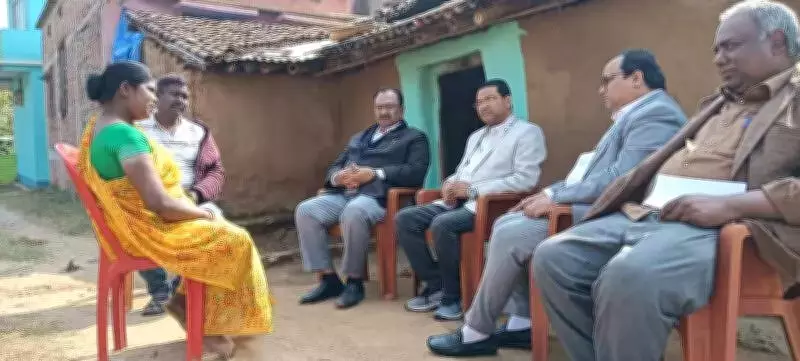
On December 14, 2025, the panel visited Gumla district to investigate epilepsy deaths attributed to a severe lack of treatment and public awareness. Their visit was a direct response to the Times of India report titled “40 Epilepsy Deaths in Gumla Between 2020 & August ’25” in print, and “Rural Jharkhand Faces Alarming Epilepsy Deaths Due to Lack of Treatment & Awareness” online, published on November 10, 2025. During their field visit, TOI provided the panel with a documented list of epilepsy fatalities.

Field Observations and Alarming Discoveries
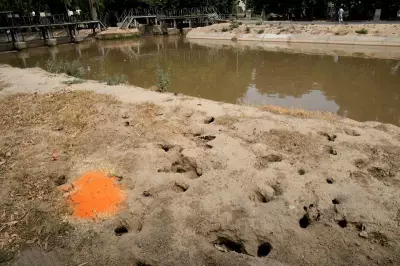
Accompanied by Dr. Anupam Kishore, deputy superintendent of Gumla Sadar Hospital, the panel members visited the homes of families who had lost members to epilepsy-triggered incidents, particularly drownings in local water bodies. Through interactions with patients and their families, the doctors were profoundly surprised by the widespread ignorance in rural areas regarding epilepsy.
They found that communities frequently turn to unqualified quacks and rely on traditional herbs for treatment, completely unaware of modern medical interventions. Neurologist Dr. Sanjiv Sharma explained to TOI, “The majority of rural people are still not aware of the treatment of epilepsy, and 90% of such patients depend upon local herbs and faith healers. So, when such untreated patients go to ponds, wells, rivers, or other water bodies for any purpose, they drown as the convulsions grip them.”
Recommendations and Government Response
The panel submitted a multi-dimensional epilepsy care programme to Dr. Siddharth Sanyal, designed to address these critical gaps. The proposed programme aims to:
- Establish structured treatment facilities for epilepsy patients across the state.
- Launch extensive awareness campaigns to educate rural residents about the neurological disorder.
- Integrate epilepsy management into the primary healthcare framework.
- Reduce dependency on unproven traditional remedies and faith healers.
Dr. Sharma emphasized the government's commitment, stating, “The Jharkhand govt will support the epilepsy patients with treatment facilities and make the rural residents aware of it.” The health department's current review of the report is a crucial step toward formalizing and acting on these recommendations to prevent further preventable deaths.