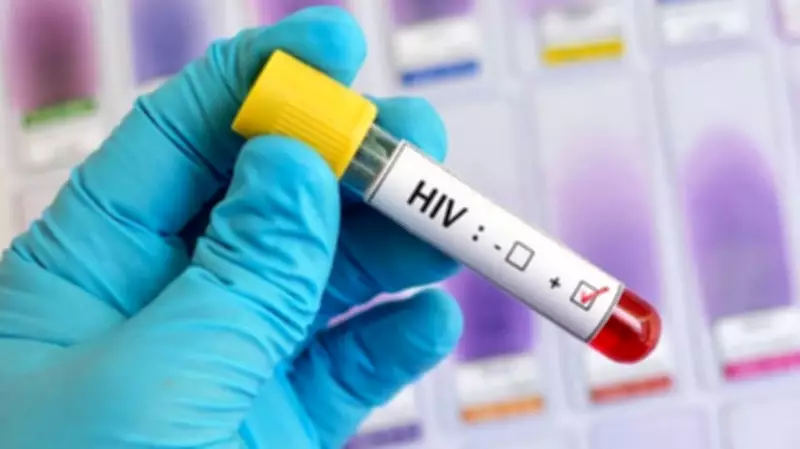
Karnataka has witnessed a concerning spike in HIV/AIDS cases attributed to man-to-man sexual contact, according to recent data. The number of cases in the 18-25 age group surged from 3,732 in 2023-2024 to 6,962 in 2024-2025, before slightly declining to 6,283 in 2025-2026. Health officials are alarmed by the trend, which highlights the need for targeted prevention and awareness campaigns among young men who have sex with men.
Rise in Cases Among Young Adults
The data, released by the Karnataka State AIDS Prevention Society, shows a dramatic increase of over 86% in new HIV infections among the 18-25 age group between 2023-24 and 2024-25. Although there was a marginal drop in the following year, the numbers remain significantly higher than pre-2024 levels. Experts attribute the rise to factors such as low condom use, lack of access to pre-exposure prophylaxis (PrEP), and stigma surrounding homosexuality that discourages testing and treatment.
Need for Targeted Interventions
Public health experts emphasize the importance of targeted interventions for key populations, including men who have sex with men (MSM). Dr. Anitha Rao, an epidemiologist at the National Institute of Mental Health and Neurosciences, stated, "The data underscores the urgency of scaling up awareness campaigns, ensuring free access to condoms and PrEP, and creating safe spaces for testing and counseling. Stigma remains a major barrier, and community-led efforts are crucial to reach those at risk."

The Karnataka government has announced plans to intensify outreach programs in collaboration with non-governmental organizations. Initiatives include mobile testing vans, peer education in colleges, and online resources for sexual health. However, activists argue that more needs to be done to address the root causes, such as social discrimination and inadequate sex education.
Broader Implications
The rise in HIV cases among young MSM mirrors a national trend, with India reporting an estimated 63,000 new infections in 2025. While overall HIV prevalence in Karnataka has remained stable, the concentration of new cases in this demographic is worrying. Health officials urge young people to get tested regularly and practice safe sex. The state plans to launch a digital campaign called "Safe Love" to promote awareness and reduce stigma.
As the data shows, the slight decline in 2025-26 may indicate that recent efforts are beginning to have an impact, but sustained action is essential to reverse the upward trajectory. The coming years will be critical in determining whether Karnataka can curb the spread of HIV among its youth.